
BY PHESHEYA KUNENE – EDITOR
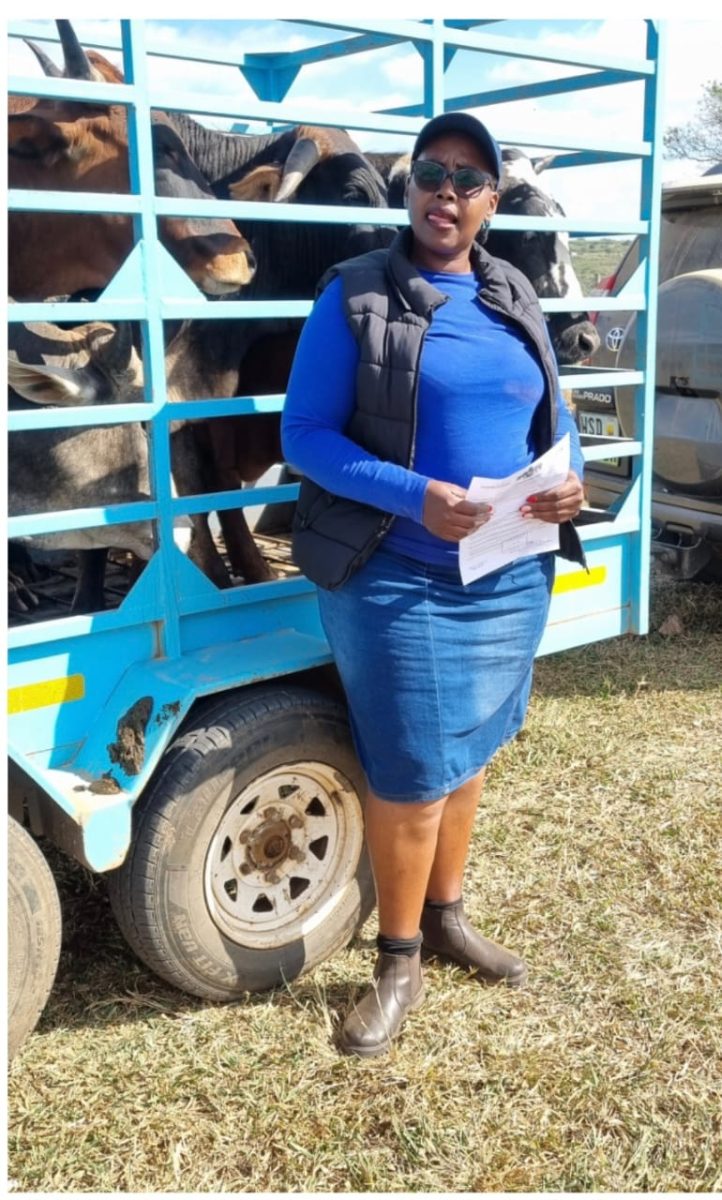
MANZINI — While Eswatini’s feedlot sector is reeling from closure, high costs and Foot-and-Mouth Disease (FMD), one farmer in Manzini is moving in the opposite direction. Phetsile Sithole has recently sold more than 20 cattle and is expanding her operation at a time when only 212 out of the country’s 619 registered feedlots are still operating.
Her growth comes as the industry faces one of its toughest periods in years. Government has already admitted the sector was in trouble even before the FMD outbreak, with farmers squeezed by expensive feed, limited access to finance, shortage of quality stock and long-standing complaints over losses from by-products that bring them no return.
But Sithole says her recent sales were not driven by fear or pressure. They were a business decision.
“I am not selling because of pressure. I sell when the numbers make sense,” she said. “The focus is on producing quality cattle, hitting the right weight and supplying the market at the right time.”
Her remarks place her among a small group of operators still showing signs of growth in a sector now widely described as distressed. At the National Feedlot Indaba 2026, Agriculture Minister Mandla Tshawuka said the decline had started before FMD, with the disease becoming the latest and heaviest blow to the industry.
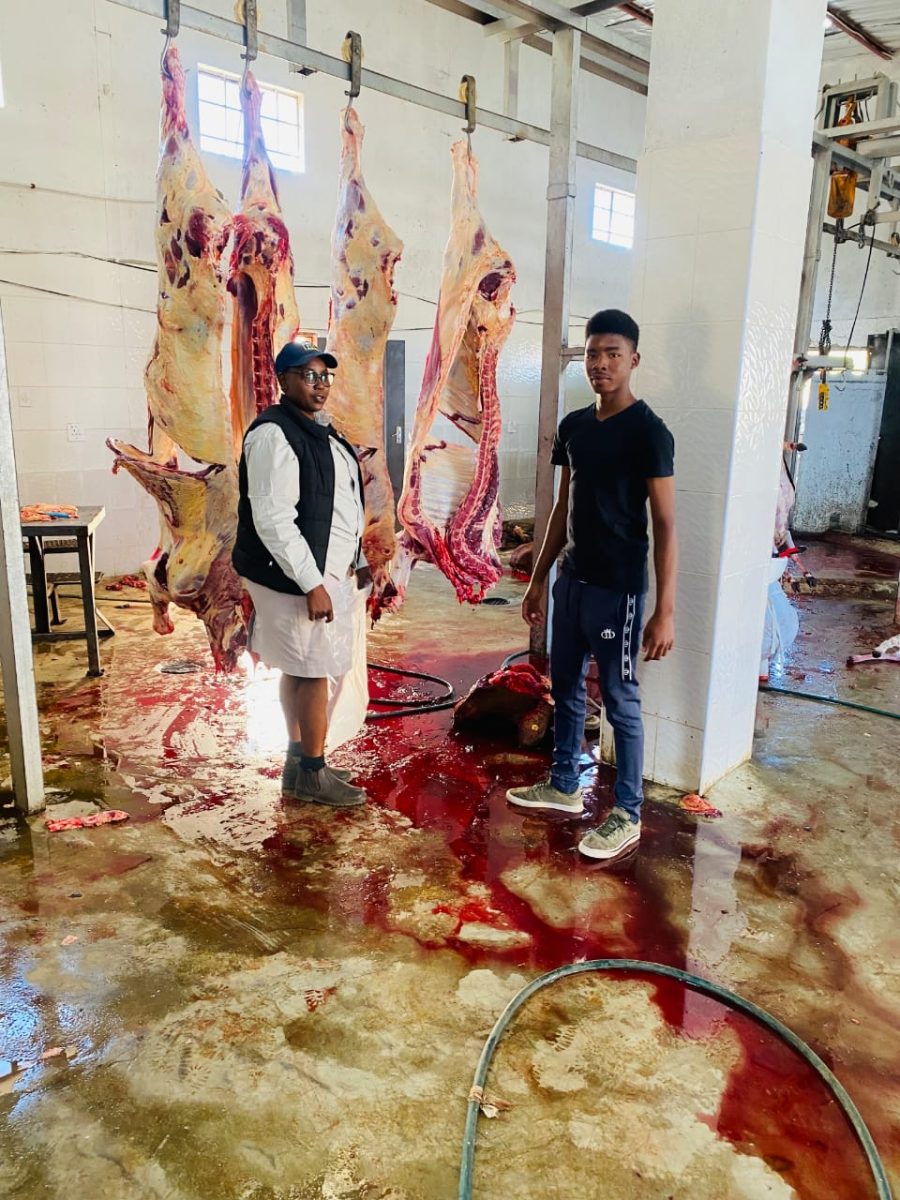
For farmers, the pressure is coming from all sides. FMD has disrupted livestock movement and delayed sales. Feed prices remain high. Banks have become more cautious about lending to the sector. And farmers continue to complain that hides, offal, horns and hooves are taken without compensation, cutting deeper into already thin margins.
Sithole said many farmers are making matters worse by selling out of panic.
“The biggest mistake right now is panic selling. You lose value and weaken your business. Feedlot farming allows you to plan and stay in control,” she said.
Her own path into the industry was built over time. Holding a Bachelor of Commerce in Marketing, Sithole previously worked as an Accounts Clerk at the University of Eswatini before shifting fully into agribusiness through family farming interests in vegetables and dairy.
She later moved into the meat business through a butchery in Manzini, but quickly discovered that having customers was not enough without proper systems.
“I learned the hard way. We had business, we had clients, but I did not have systems. That cost me,” she said.
After closing two butcheries due to operational and structural problems, she reworked her model and turned to feedlot farming with support from extension officers under the Ministry of Agriculture.
Today, Maphetsi Feedlot operates as a structured finishing unit supplying formal markets, including Eswatini Meat Industries and local butcheries. Her recent sale of more than 20 cattle reflects a reinvestment strategy, not a forced exit.
Still, Sithole says survival in the feedlot business is becoming harder.
“Feed is expensive, and the market is not always fair. In many cases, buyers dictate prices, and farmers carry the risk,” she said.
She also echoed a complaint that has become common in the industry: that farmers are often paid only for carcass weight, while other parts of the animal continue to generate value elsewhere in the chain.
“Some buyers only pay for the carcass weight, yet the hide, offal and other by-products have value. Farmers are losing income there,” she said.
That concern mirrors one of the biggest issues raised at the Feedlot Indaba, where the unresolved “5th quarter” was singled out as one of the factors weakening incentives for farmers to invest in feedlotting.
Sithole has also had to fight for her place in a male-dominated industry.
“When I started, I was the only woman in spaces dominated by men. It was difficult, and at times I doubted myself,” she said.
But she said consistency, technical knowledge and confidence helped her establish herself.
“Business does not recognise gender. You have to stand your ground and know what you are doing,” she said.
As government, development partners and farmers search for ways to rescue a sector in decline, Sithole’s story stands out as both an exception and a lesson. It shows that while the feedlot industry is under severe pressure, disciplined commercial farmers can still find room to grow.
But it also underlines a bigger truth: unless Eswatini fixes disease control, financing, feed costs and value-sharing across the beef chain, more feedlots could still fall out of operation.
“This is not just farming, it is business. You must plan, invest and think long term,” Sithole said.