
By Nosipho Mkhize l Journalist
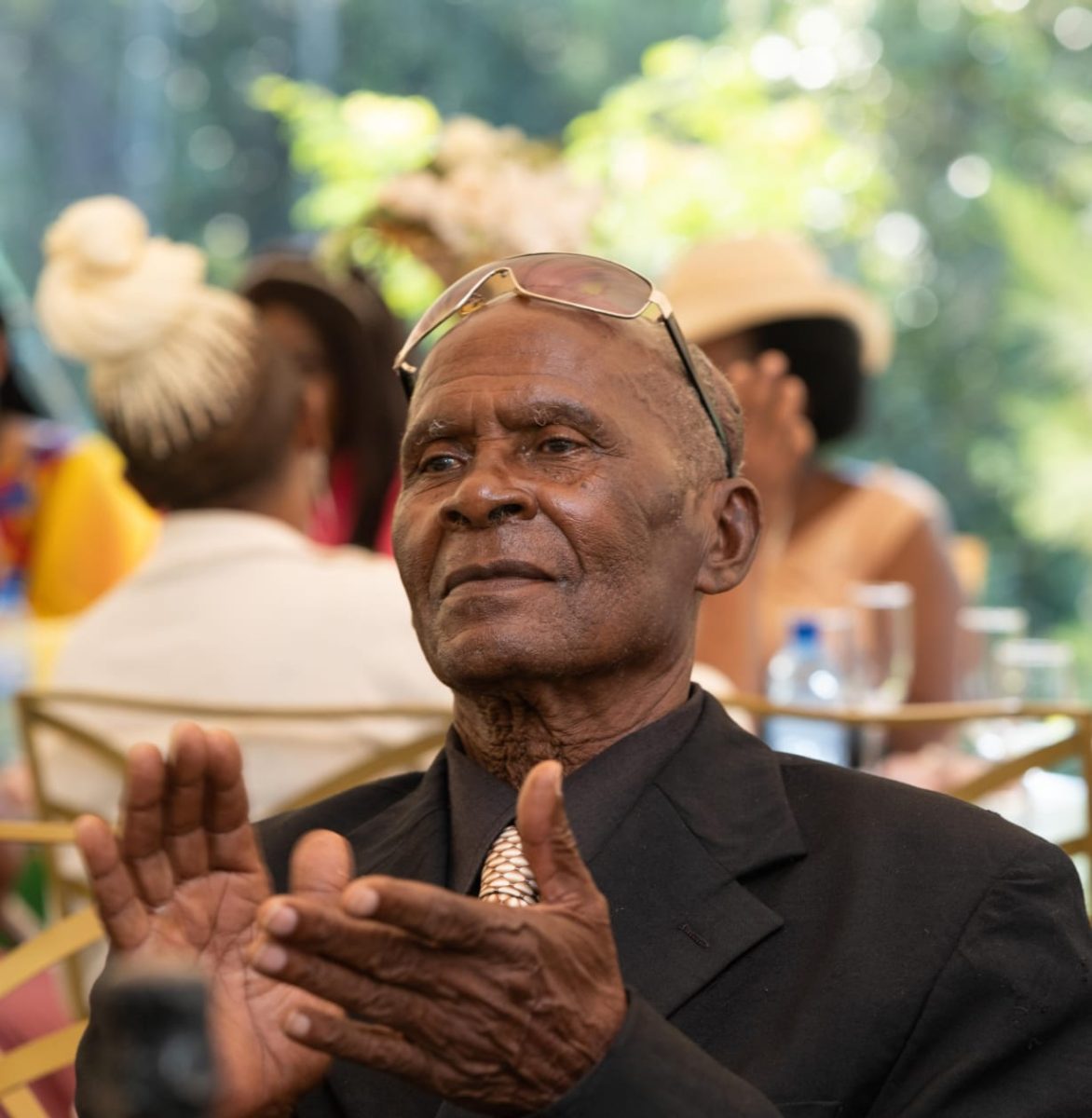
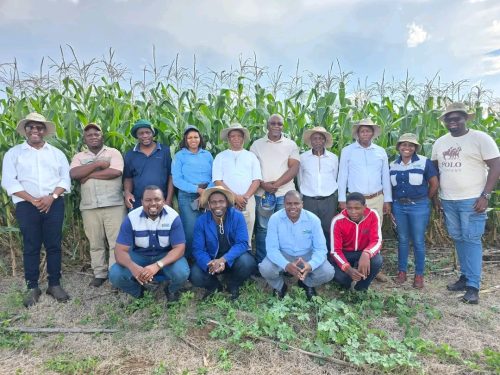
Lucas Shongwe, showing strength and resilience at 91 years old.
Most people see retirement as a finish line, a moment to slow down after decades of work. But for 91-year-old Lucas Shongwe, retirement was never an ending. It was a carefully calculated beginning.
From the quiet fields near the Inyoni Yami Swaziland Irrigation Scheme, Shongwe has built a thriving mango enterprise that has sustained him, educated his children, and shielded him from the harsh realities of post-retirement poverty.
A LIFE ROOTED IN NUMBERS AND NATURE
Born with a sharp mind for numbers, Shongwe studied accounting during his high school years at Mbombela High School. He did his primary education at Mashobeni Primary. His professional journey led him to the Inyoni Yami Swaziland Irrigation Scheme, where he worked in accounts but found himself increasingly drawn to agriculture, particularly mango trees.
That dual exposure to finance and farming would later define his success.
“I realised that numbers alone were not enough; I needed something that could grow beyond my working years,” he reflects.
Even as he worked behind a desk, he began to observe, learn, and plan. A short six-month agriculture course at Mbombela sharpened his practical understanding, while his accounting background helped him think long-term.
PLANNING BEFORE THE PAYCHEQUE STOPS
Unlike many who wait until retirement to figure things out, Shongwe began preparing years in advance. Before his official retirement on 30 November 1990, he had already taken decisive steps, buying mango seedlings, installing irrigation pipes, and securing access to water from a nearby river, called the Mlumati River.
This foresight ensured that when he transitioned into retirement in 1991, he was not starting from zero.
“Before I left work, I had already planted trees and installed irrigation because I did not want to experience poverty,” he says.
Today, his orchard boasts approximately 800 mango trees at the location of Msahweni, Matsamo, a testament to decades of patience, discipline, and strategic thinking.
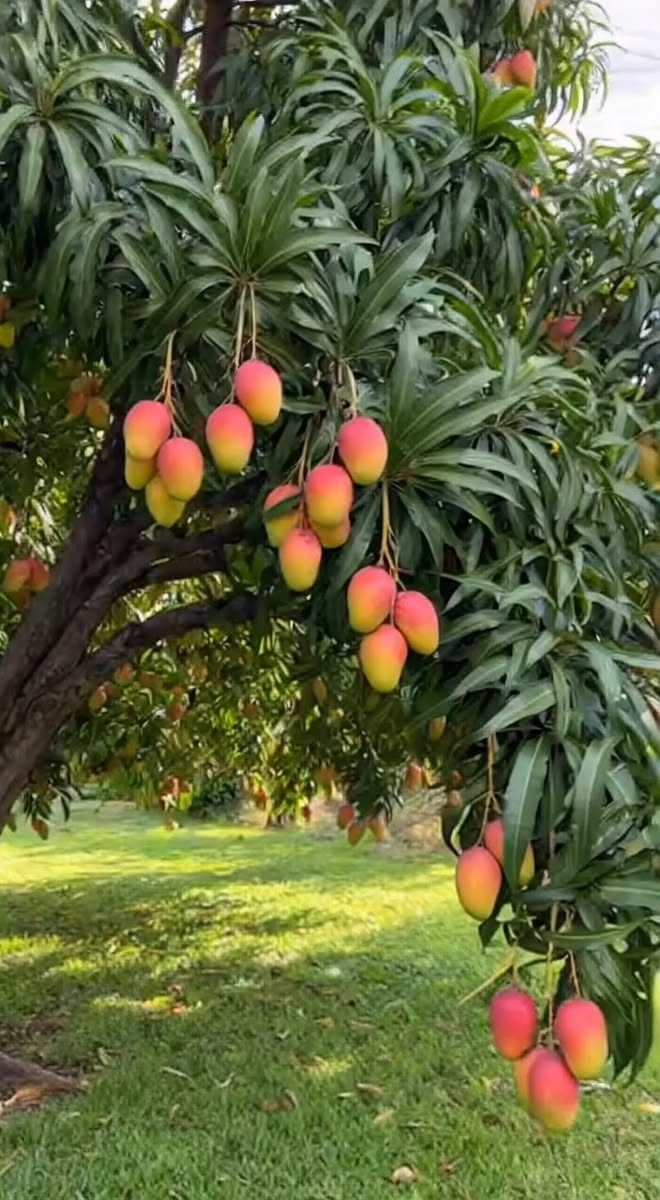
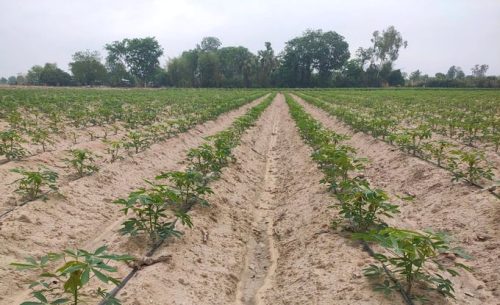
An example of Shongwe’s hard work and perseverance.
THE BUSINESS OF MANGOES
Mango farming is not an overnight success story. Shongwe understood this from the beginning. Mango trees take four to five years to mature and begin producing fruit, requiring both patience and consistent care.
His farming approach is simple but effective: reliable irrigation using river water, careful monitoring of tree health, and timing the market.
Mangoes typically ripen between late November and early December. As harvest season approaches, Shongwe activates his network of buyers, mainly informal traders who come directly to his farm.
They inspect the fruit, assess ripeness, and purchase in bulk, often by the crate, before distributing to local communities.
“When the mangoes are almost ready, I call my buyers, and they come to check the quality before buying in bulk,” he explains.
This direct-to-market approach eliminates middlemen and ensures steady cash flow.
SUPPORTING A FAMILY THROUGH AGRICULTURE
Shongwe is not just a farmer; he is a provider. As a father, he has used his mango business to support his household and secure his children’s education.
At the height of his production, proceeds from mango sales were sufficient to cover tuition fees for four of his children for an entire year.
His story underscores the power of agriculture not just as a livelihood, but as a tool for generational upliftment.
CHALLENGES IN THE ORCHARD
Like any farmer, Shongwe has faced setbacks. Theft has occasionally threatened his harvest, while pests, particularly mango leafhoppers, have posed risks to productivity.
Yet, his resilience has remained unwavering. Years of experience have taught him how to manage these challenges through vigilance, timely intervention, and consistent farm management practices.
LESSONS FROM THE RETIREMENT ARCHITECT
Lucas Shongwe’s journey highlights the importance of starting early, as careful planning before retirement can create a smooth and secure transition into the next phase of life. His story also underscores the value of investing wisely, particularly in long-term crops like mangoes, which require patience but ultimately deliver sustainable returns. By leveraging his background in accounting alongside practical farming knowledge, he was able to make informed decisions that strengthened his enterprise. Equally important is his focus on building direct markets, cultivating strong relationships with buyers to ensure a consistent and reliable income stream year after year.
Above all, his story is a reminder that retirement is not about stopping; it is about repositioning.
At 91, Shongwe continues to tend to his orchard, a living legacy of foresight and determination. Where others saw an ending, he saw an opportunity, and he calculated it well.
Contact details: 7945 2660