
BY PHESHEYA KUNENE
SIGANGENI – Eswatini’s smallholder maize farmers under the Hamba Ubuye Commercial Maize Project are facing a projected 26% national yield loss, as prolonged dry spells and heatwaves continue to cut into production despite strong farmer participation and sustained input support.
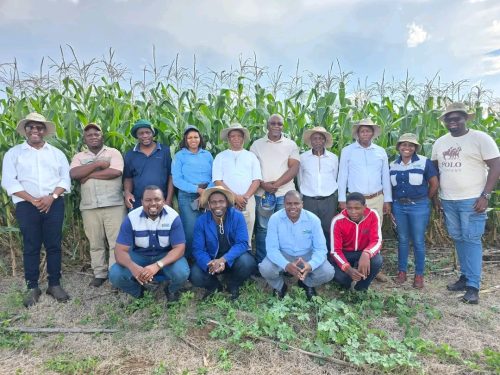
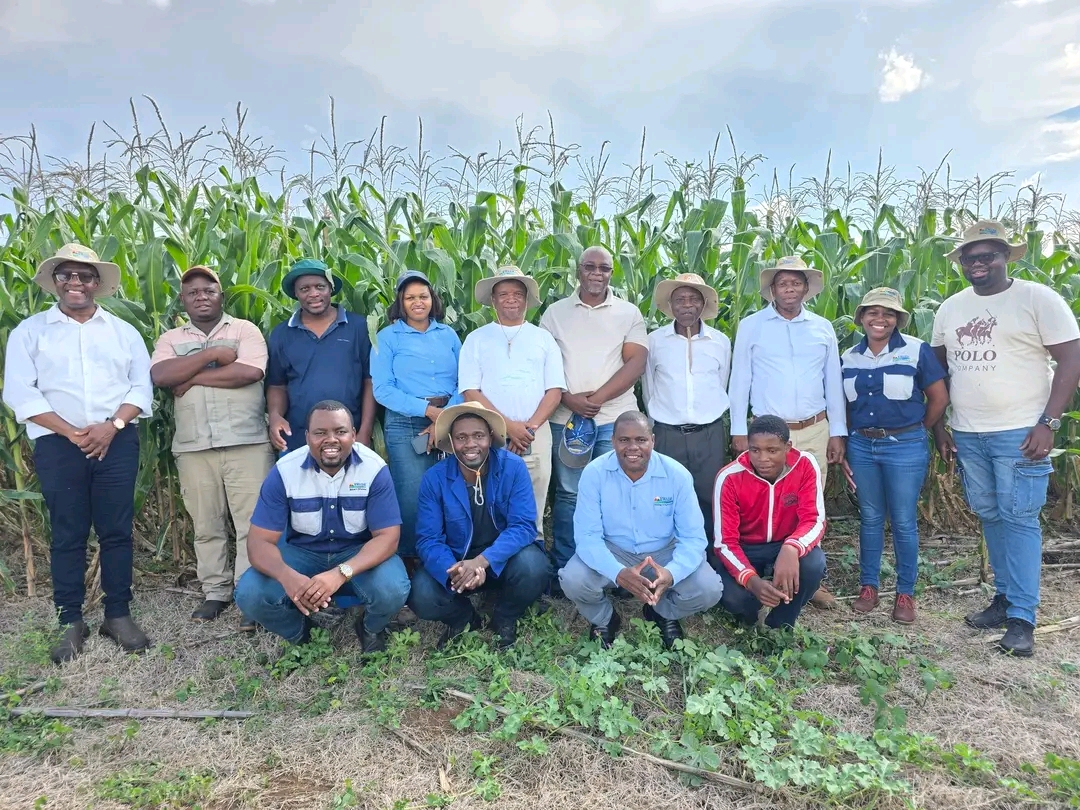
The assessment was presented during a field visit led by Eswatini Water and Agricultural Development Enterprise (EWADE) Chief Executive Officer Samson Sithole and the executive team to farmer clusters in Sigangeni, Sicunusa and Gege, where management monitored crop performance and engaged farmers on production challenges, extension support and loan repayment.
The Commercial Maize Project currently supports 191 farmers nationwide, covering 1,827 hectares, of which 1,701 hectares have already been planted. Total investment under the programme stands at E13.9 million, making it one of the country’s biggest coordinated smallholder maize support initiatives.
Regional figures show uneven participation and funding patterns. Shiselweni has the highest number of beneficiaries, with 74 farmers cultivating 688.5 hectares under support worth E4.90 million. Manzini follows with 66 farmers farming 675.2 hectares, backed by E5.79 million. Hhohho has 38 farmers covering 270.2 hectares with E2.54 million disbursed, while Lubombo has 13 farmers on 67.5 hectares.
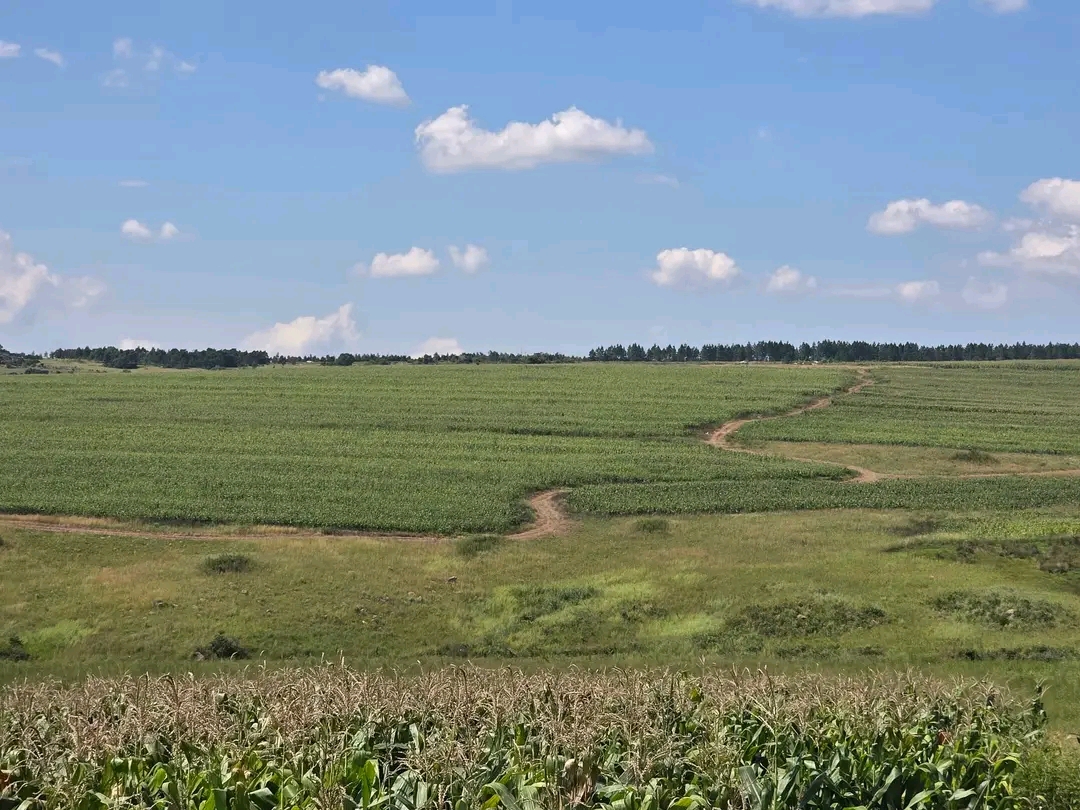
EWADE said the 2025/26 season has been heavily affected by climatic stress, with the Hhohho region, particularly Ntfonjeni, recording the highest projected yield loss at 35%. The figures once again expose the vulnerability of rain-fed maize production in Eswatini, where erratic rainfall and rising temperatures continue to undermine productivity and threaten food security.
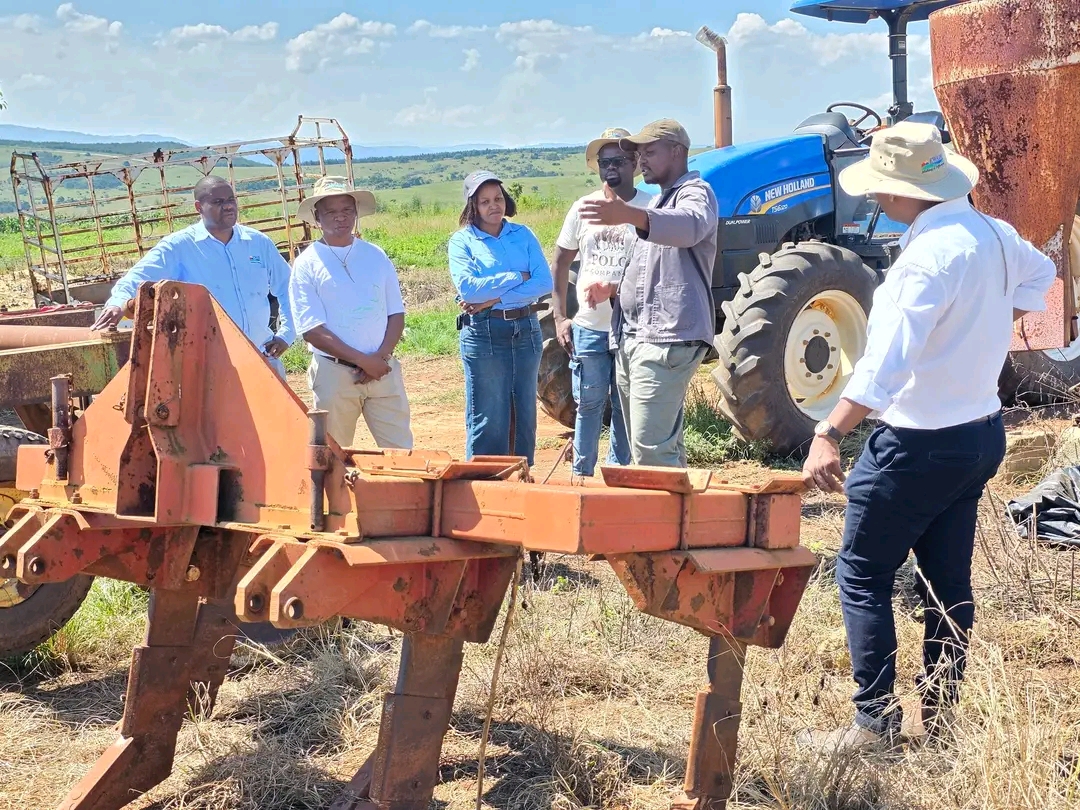
Despite the harsh conditions, participation among farmers has remained strong. EWADE said turnout in the visited clusters was encouraging, reflecting the determination of beneficiaries to continue planting even under difficult weather conditions.
At the centre of the initiative is the Hamba Ubuye Revolving Fund, a financing model through which farmers receive production support upfront and repay after harvest, allowing the same pool of money to be recycled to support the next planting season and reach more farmers over time. In practical terms, the fund is meant to reduce barriers to inputs while building a self-sustaining support system for smallholder producers.
That model has so far shown relatively strong repayment performance. As of February 2026, 78% of allocated loans had been recovered, translating to E10.9 million repaid out of the E14 million disbursed. Nearly 60% of farmers have fully settled their loans, while 8.7% have not yet started repayment.
Sithole said the repayment trends point to both discipline and confidence in the programme.
“Our farmers remain at the heart of national food security. Despite the challenges, their determination continues to inspire us. We will continue to walk this journey with them to ensure no farmer is left behind,” he said.
During the field visit, EWADE teams also focused on extension support, working with farmers on fall armyworm control, pest and disease management, fertiliser application, top-dressing, and crop diversification through bean planting in partnership with the National Disaster Management Agency.
From a broader policy perspective, the Commercial Maize Project reflects an attempt to move smallholder farmers beyond subsistence and into more structured semi-commercial production, backed by financing and technical support. However, the projected losses also reveal the limits of input-led models when climate-resilient infrastructure, particularly irrigation, is not in place.
The Hamba Ubuye approach has demonstrated promise, especially through its strong loan recovery rate and continued farmer participation. But repeated exposure to climate shocks remains a serious structural threat, not only to yields and farmer incomes, but also to the long-term sustainability of the revolving fund itself.
EWADE says it will continue strengthening extension services and adaptive support measures to help farmers stabilise yields. With climate pressure intensifying, the organisation maintains that protecting productivity will be critical to safeguarding both rural livelihoods and national food security.