By: NOSIPHO MKHIZE | JOURNALIST
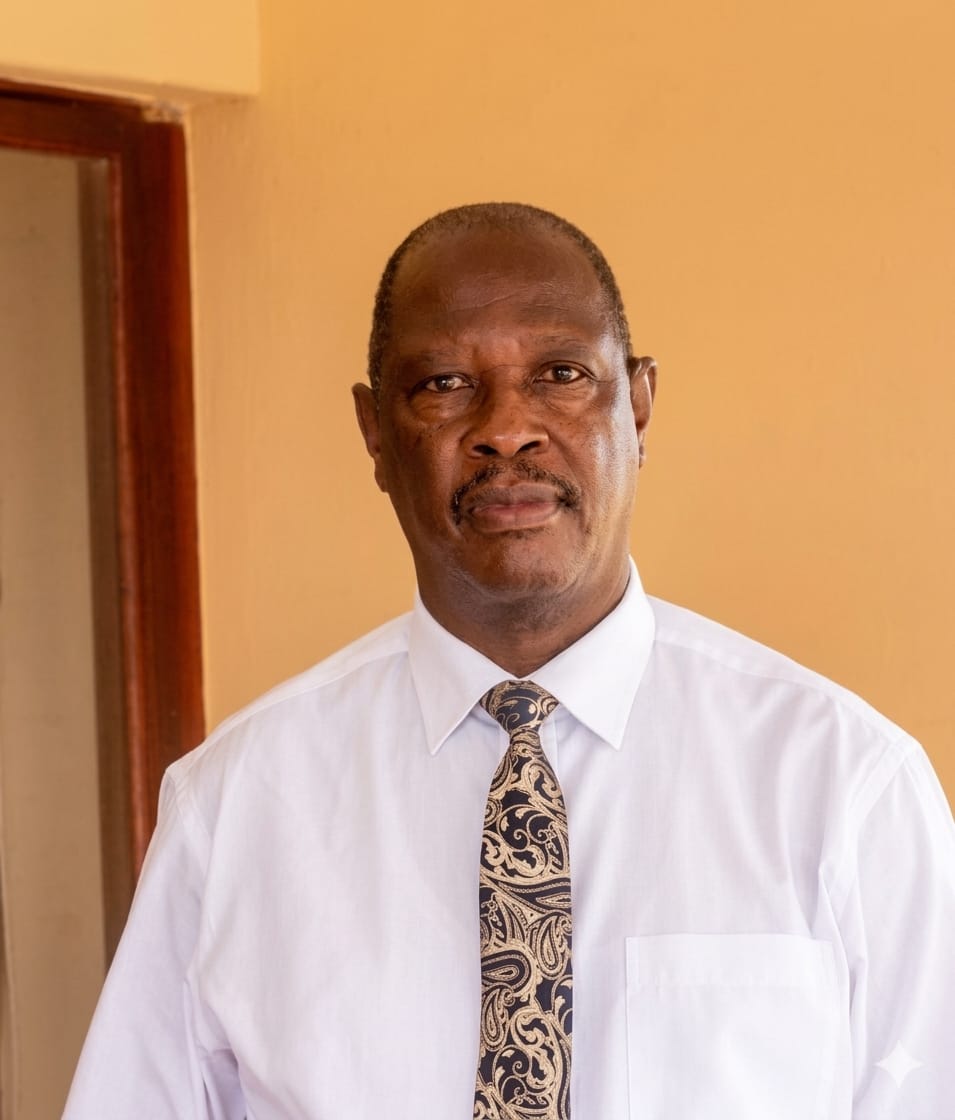
Mandlenkosi Dlamini, what began as a childhood responsibility has become a lifelong source of pride and provision.
For Mandlenkosi Dlamini, cattle are more than livestock. They are memory, inheritance, survival, and identity. At 66 years old, the family patriarch has spent most of his life around cattle, carrying forward a tradition he first learned as a young boy walking beside his father from the cattle kraal to the grazing fields.
Today, Dlamini supports a household of 16 dependants, and his story is one of patience, discipline, and a deep respect for the slow but rewarding nature of cattle farming. What began as a childhood responsibility has become a lifelong source of pride and provision.
A Childhood Shaped by Cattle
Dlamini traces the roots of his journey back to 1966, when he was in Grade 1. His father, a headteacher during the week and a farmer on weekends, introduced him to the routines of cattle care at an early age. As the eldest boy, he accompanied him to herd cattle, dip them with chemicals, inject them against black quarter and botulism, dehorn calves, dress wounds, and deworm the herd.
That early exposure laid a strong foundation and sparked a passion that never left him.
“My journey began in 1966 when I was a schoolboy in Grade 1,” Dlamini recalled.
Those weekends in the fields were not just about learning farm tasks. They were lessons in responsibility, discipline, and stewardship. He watched how cattle sustained the family, not only by providing meat for the household, but by helping his father pay school fees for seven children.
One of his earliest memories remains vivid: seeing his father sell a cow in 1971 for E30 and use part of that money to buy him a bicycle. For a young boy, it was a powerful lesson in the value of livestock.
Building His Own Herd
After his father’s death, cattle continued to play a central role in the family’s survival. Some were sold to build a house for their mother, while the rest helped sustain the household. Dlamini later decided to build something of his own.
In 1986, after saving for two years, he bought his first 10 cattle. That investment marked the true beginning of his independent journey as a cattle farmer. Over time, the herd multiplied and became the backbone of his household economy.
The cattle helped him pay lobola for his wife, educate his children, and support major family obligations, including assisting two of his sons with cultural payments linked to land and marriage.
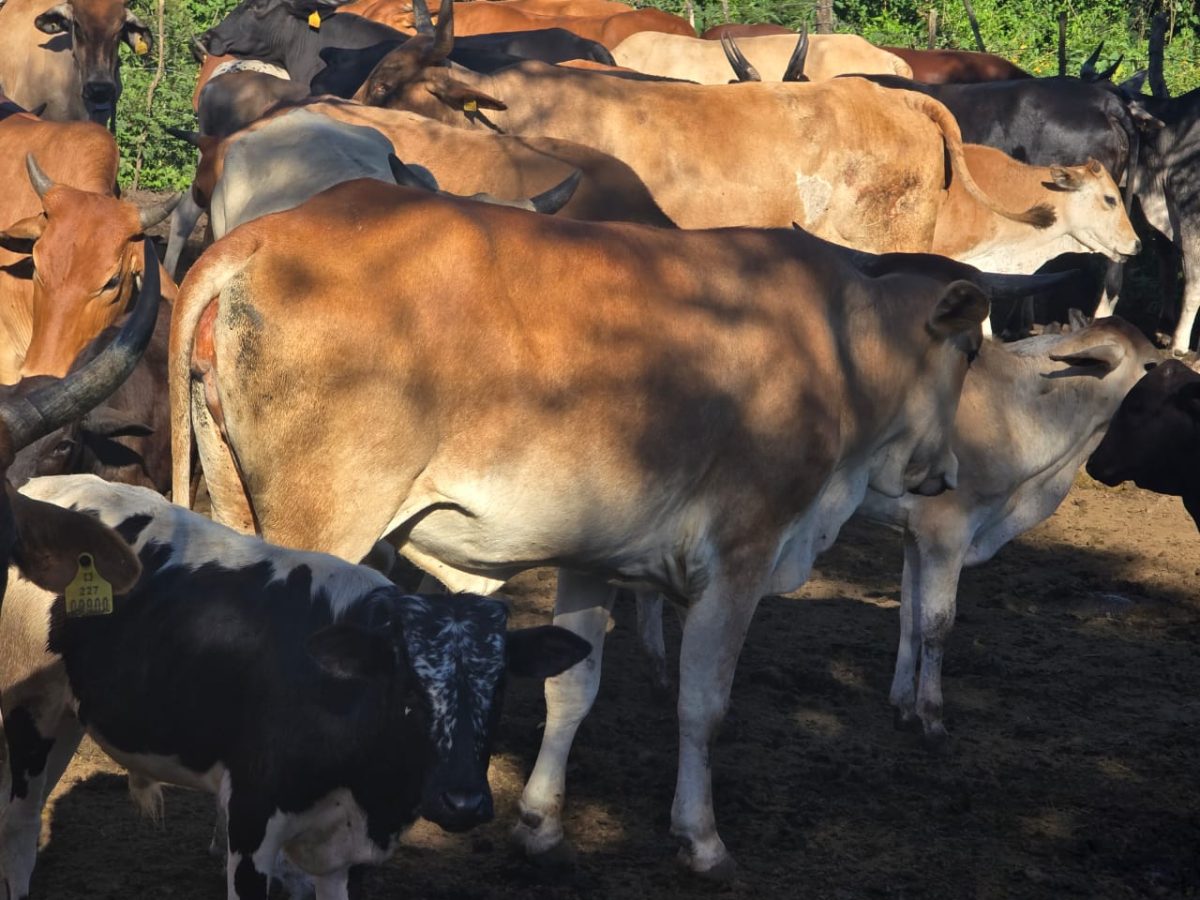
For Dlamini, cattle are not just sold for profit. They are a long-term investment that grows across generations.
How He Rears and Markets His Cattle
Dlamini rears cattle through hands-on care and traditional livestock management practices. He believes good cattle farming starts with animal health. Over the years, he has remained committed to vaccination, deworming, wound care, controlled breeding, and proper handling of calves, including dehorning to reduce injury among animals.
His market is rooted in community demand. He sells cattle to butchers, families preparing for weddings, households hosting funerals, and people organising social gatherings. In this way, his herd serves both economic and cultural purposes.
“There are huge returns in cattle farming,” he said.
For Dlamini, cattle are not just sold for profit. They are a long-term investment that grows across generations. A single cow, he explained, can remain productive for many years and multiply into a much larger legacy through calves, grandchildren, and beyond.
Surviving Loss, Holding On to Hope
Like many farmers, Dlamini’s journey has not been without hardship. The devastating drought of 1991 to 1992 remains one of the darkest chapters in his farming life. With grazing land exhausted and water scarce, his family had to source grass from the Highveld, including Mbabane and Piggs Peak. They bought hay bales and maize husks, but despite their efforts, about half of the herd died.
The loss was painful, but it did not break his commitment to farming. Instead, it strengthened his understanding that livestock farming requires endurance and hope.
“Success comes with patience and passion,” he said.
A Legacy That Teaches
Dlamini has used cattle to build a home, buy vehicles, and provide stability for his large family. More importantly, he has become an example to younger men in his community, encouraging them to see cattle not only as wealth but as a future worth building patiently.
His story offers a practical lesson: start where you are, care for what you have, and think long term. From herd boy to family patriarch, Mandlenkosi Dlamini did not just inherit cattle from his father. He inherited a way of life and turned it into a lasting family legacy.
Contact details: 7904 4317