

BY SIBUSISIWE NDZIMANDZE | JOURNALIST
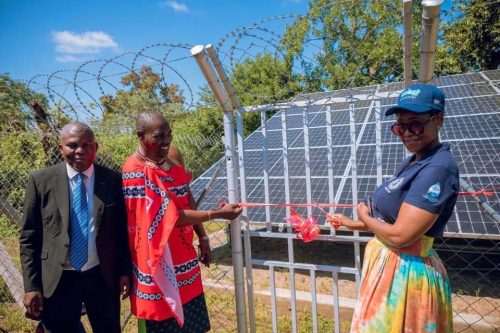
PHONJWANE — Rural communities in Eswatini are set to benefit from improved access to clean and reliable water following the launch of the Phonjwane Solar Powered Potable Water Supply and Sanitation Scheme, a project positioned as a catalyst for social transformation, agricultural productivity and gender equality.
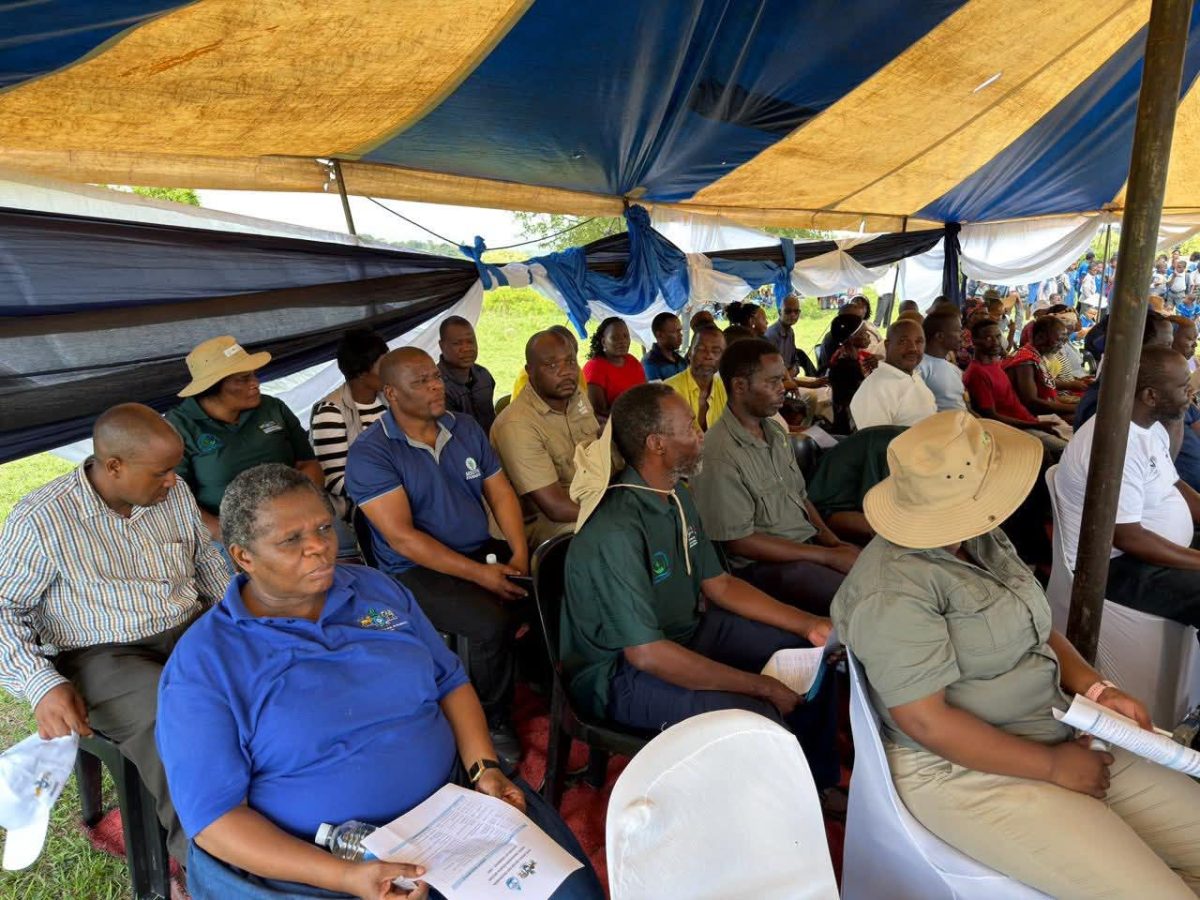
The project was officially unveiled during the commemoration of World Water Day 2026 at Phonjwane Sportsground under the Gilgal Constituency, where government, development partners and community members gathered to mark the occasion.
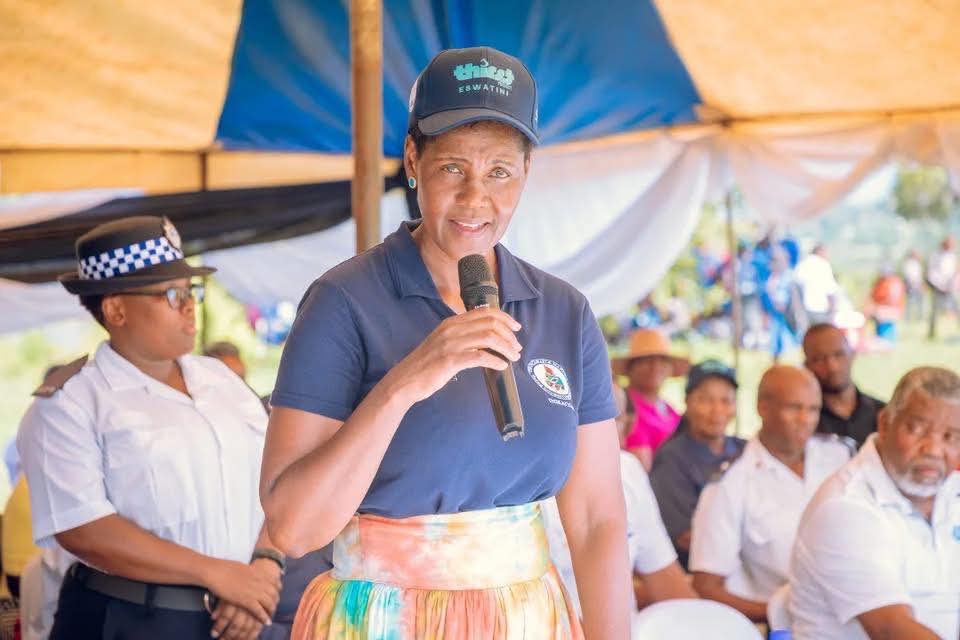
The event was graced by Principal Secretary Lindiwe Mbingo, representing the Minister for Natural Resources and Energy, Prince Lonkhokhela.
Transformative investment in rural water access
Speaking at the event, Mbingo described the Phonjwane scheme as a major investment in improving livelihoods in rural communities.
“This project is a transformative initiative that not only enhances access to clean and safe water but also embodies our commitment to sustainable development, gender equity, and climate-resilient practices,” she said.
The scheme uses solar energy to power water pumping systems ensuring reliability, reducing operational costs and extending access to areas where conventional electricity infrastructure is limited.
Government has identified solar-powered water systems as a key strategy in modernising rural water supply, with Phonjwane forming part of four pilot projects implemented through the Rural Electrification Access Fund. Plans are already underway to expand the programme to at least eight additional water schemes across the country.
Boost for communities and agricultural livelihoods
Beyond household use, improved access to water is expected to support rural economic activities, particularly smallholder farming which depends heavily on reliable water sources.
Access to clean water enhances hygiene, supports livestock production and opens opportunities for small-scale irrigation critical factors in strengthening food systems and rural incomes.
The project aligns with Eswatini’s broader development agenda and contributes directly to Sustainable Development Goal 6, which targets universal access to safe water and sanitation by 2030.
Water and gender: addressing inequality
This year’s World Water Day theme, “Water and Gender,” took centre stage, highlighting the disproportionate burden placed on women and girls in accessing water.
In many rural communities, women are responsible for collecting water often travelling long distances, limiting their ability to participate in economic activities or education.
Mbingo stressed that improving water access directly contributes to gender equality.
“Women must not only benefit from water services but should also play a key role in decision-making and management processes,” she said.
The Ministry encouraged increased participation of women in local water management structures, including community water committees.
Call for community ownership
While celebrating the milestone, government officials emphasised that the long-term success of the scheme depends on community ownership.
Mbingo urged beneficiaries to protect water sources, use water responsibly and contribute to the maintenance of the infrastructure.
“The sustainability of this scheme depends on the collective responsibility of all stakeholders,” she said.
Community members, including households, schools, churches and businesses, are expected to play an active role in maintaining the system through agreed operational and maintenance structures.
Driving a national water sustainability agenda
The Phonjwane project comes at a time when water security is gaining prominence across the continent, in line with the African Union theme for 2026, which focuses on ensuring water availability and safe sanitation systems under Agenda 2063.
Locally, the initiative supports Eswatini’s long-term Water, Sanitation and Health (WASH) Masterplan, which aims to expand access, improve reliability and promote sustainable water management.
A model for future development
The launch of the Phonjwane Solar Powered Water Scheme highlights a growing shift towards integrating renewable energy, water access and social development.
For communities like Phonjwane, the project represents more than infrastructure it is a pathway to improved health, economic opportunity and dignity.
Government and its partners have reaffirmed their commitment to scaling up similar initiatives across the country, ensuring that more emaSwati benefit from sustainable, climate-resilient water solutions.