

BY: SIKHONA SIBANDZE | JOURNALIST
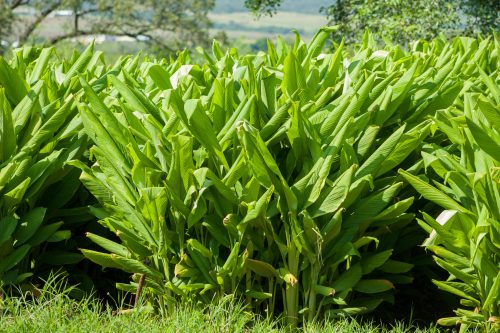
SIDVOKODVO – Farmers who want to enter Eswatini’s emerging turmeric industry will have to be prepared to invest in formal training, as Macwele Turmeric Farm positions itself as the pioneer and current controller of the country’s developing turmeric value chain.
Macwele Turmeric Farm in Sidvokodvo is inviting interested farmers to attend a practical training programme costing E1000 per participant, describing it as a necessary first step for anyone serious about joining the crop’s production system. The farm says turmeric is not a crop that can be entered casually, and that farmers who want to participate in the value chain must be willing to undergo training, follow production guidelines, and commit to the support structure that comes with joining.
The move comes as turmeric gains attention as a high-value crop with strong demand in markets such as Asia, South Africa, and other parts of the world. With growing global demand for natural ingredients used in food, health products, cosmetics, and herbal medicine, turmeric is increasingly being viewed as a profitable opportunity that could open new income streams for emaSwati farmers.
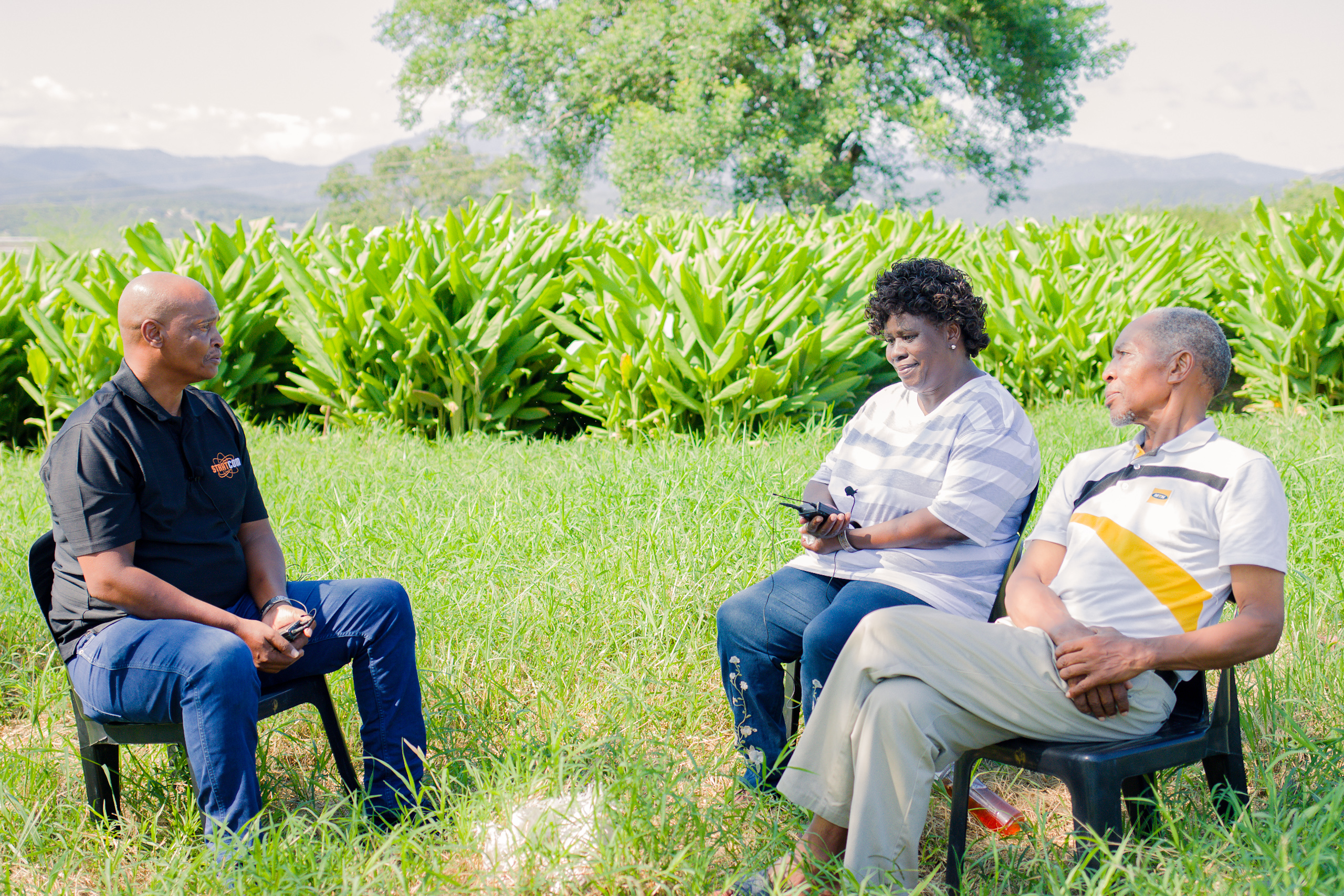
Macwele Turmeric Farm, led by Bheki Macwele, only began turmeric production in October 2025 after the family attended training through Amandla Omnotho in Jozini, South Africa. What began as an effort to learn a new enterprise has since grown into one of Eswatini’s earliest turmeric production ventures, with the farm now moving to organise other interested farmers into a structured outgrower system.
Under this model, farmers who join the value chain through Macwele will not only receive training. They will also gain access to seed supply, management support, assistance in sourcing start-up finance, and outgrower contracts under the Macwele system. This means growers entering the sector will be joining more than a training course; they will be buying into a guided production arrangement designed to help them establish and manage turmeric commercially.
Macwele says this structure is important because turmeric production requires technical understanding, discipline, and upfront investment. The crop needs proper compost preparation, careful planting, ongoing management, and patience, as it takes about six to nine months to mature. For that reason, the farm believes farmers must first understand the full production cycle before committing resources.
According to Macwele, the E1000 training fee should be seen as part of the investment needed to enter a specialised value chain. Through the training, farmers are introduced to the practical realities of turmeric farming and the standards expected of growers who want to produce under the Macwele system. The farm also intends to provide continued support beyond the classroom by helping farmers navigate production decisions and linking them into market-oriented arrangements.
This approach reflects a growing recognition that successful expansion of turmeric farming in Eswatini will require more than enthusiasm. It will need organised production, reliable planting material, technical guidance, and market linkages. Macwele is now positioning itself at the centre of that process by building a controlled value chain in which participating farmers are trained, supported, and contracted under one system.
The opportunity is emerging at a time when turmeric is attracting wider industry interest. The global turmeric market is estimated at around E90 billion, driven by strong international demand. For Eswatini, this presents an opening to participate in a crop with export potential while also reducing dependence on imported turmeric and turmeric-based products.
Beyond export markets, turmeric also presents local commercial possibilities. Eswatini already imports turmeric products, meaning that if domestic production grows and quality standards are maintained, local farmers could begin supplying part of that demand. For growers looking to diversify beyond traditional field crops, turmeric is increasingly being seen as a serious commercial option.
One of the challenges for new entrants has been access to planting material, as turmeric rhizomes are not yet widely available locally. However, Macwele has indicated that part of its own harvest will be reserved for seed so that farmers joining the value chain can access planting material through the farm instead of sourcing it from outside the country.
The farm’s offer to assist farmers in accessing finance is also expected to be important, particularly for those who may have interest in the crop but lack the capital to get started. By combining training, seed supply, technical support, financial guidance and outgrower contracts, Macwele is attempting to build a more structured entry point into turmeric farming in Eswatini.
For aspiring growers, the message from Macwele is clear: joining the turmeric value chain will require commitment, training, and investment. But for those willing to follow the system, the crop could offer a promising pathway into a growing high-value agricultural market.
For more information or to register for the training, farmers can contact Macwele Turmeric Farm on 76020117 or 78014629.