

BY PHESHEYA KUNENE – EDITOR
EZULWINI — The Kingdom of Eswatini has officially launched the E61 million (USD 3.8 million) GEF-8 Food Systems Transformation Project, a landmark initiative set to directly benefit 25 000 people, including 3 000 farmers adopting climate-smart agriculture, restore 6 500 hectares of degraded land, and improve water security for 10 000 rural residents.
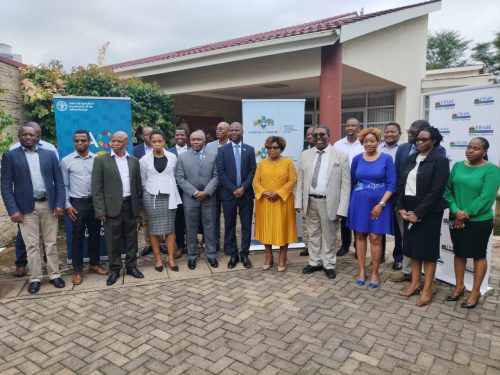
The high-level launch, held at Royal Villas on 19 March 2026, brought together government leaders, development partners, and key stakeholders, marking a major milestone in Eswatini’s journey toward sustainable, inclusive, and resilient food systems.
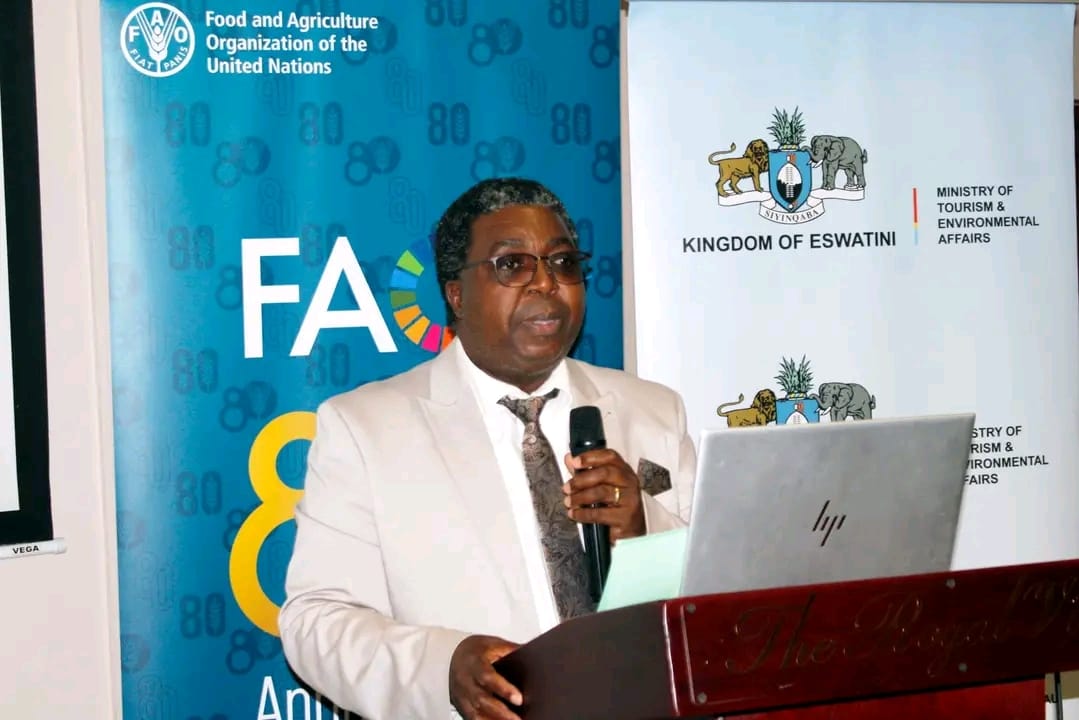
“This initiative delivers tangible benefits through improved irrigation systems, climate-smart agriculture, and landscape restoration,” said EWADE Director Commercial Musa Masilela.
“Key areas including Lubombo, Ngwempisi, and Malolotja will benefit from targeted land rehabilitation, while farmers nationwide will gain from stronger, more resilient food systems. This investment positions Eswatini’s agricultural sector for long-term growth and sustainability.”
Government Emphasises Strategic Investment
Minister of Agriculture Mandla Tshawuka described the project as a bold and strategic intervention, fully aligned with national priorities.
“This is a major stride in our journey towards sustainable, resilient, and competitive agrifood systems,” he said.
“The initiative ensures farmers benefit from targeted investments, productive landscapes, and income-generating activities. By restoring degraded land, strengthening agricultural value chains, and supporting climate-smart farming, we are moving farmers from subsistence to semi-commercial and commercial levels.”
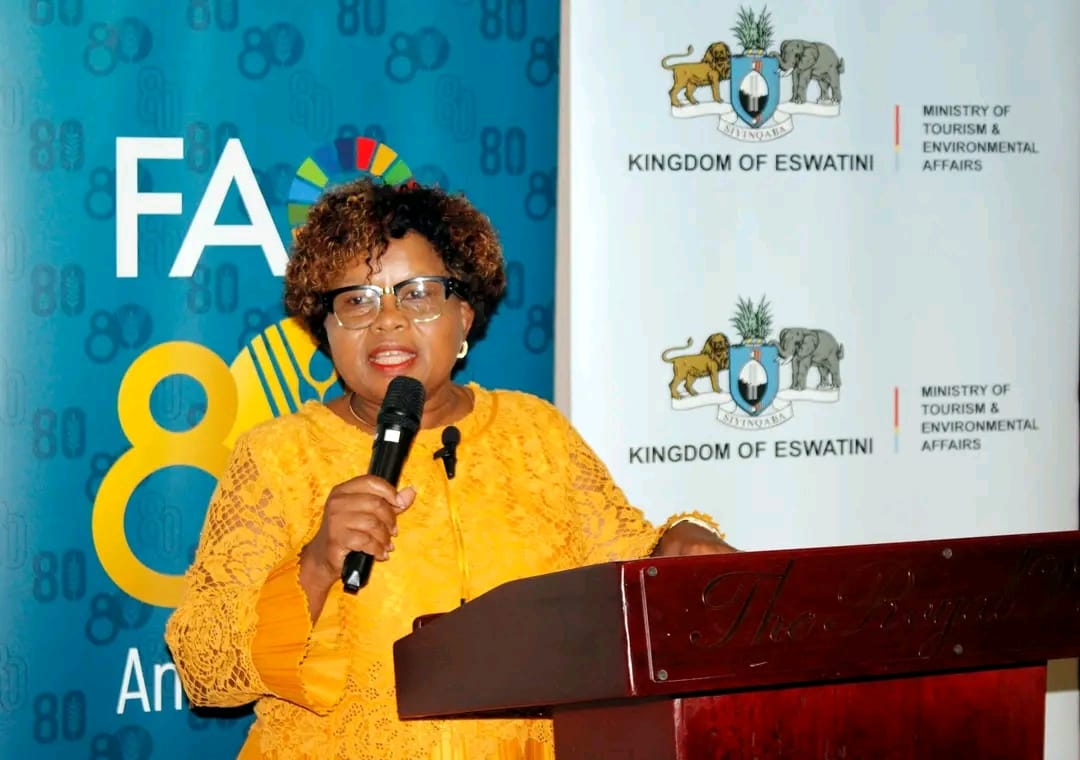
Minister of Tourism and Environmental Affairs Jane Mkhonta-Simelane highlighted the dual impact on food systems and environmental sustainability.
“By promoting climate-smart agriculture that conserves soils and water, we are strengthening ecosystem services underpinning food security. The project also supports sustainable value chains that empower farmers, women, and youth innovators. Strong coordination among all stakeholders is essential to deliver tangible and lasting results,” she said.
FAO Technical Support Ensures Effective Delivery
The project is implemented by EWADE and the Eswatini Agricultural Development Fund (EADF), under the technical guidance of the Food and Agriculture Organization (FAO), in collaboration with the Global Environment Facility (GEF).
Dr Patrice Talla, FAO Sub-Regional Coordinator, praised Eswatini’s leadership:
“This milestone reflects the Kingdom’s resolve to mobilise resources for climate adaptation and agricultural resilience. FAO’s technical expertise will ensure practical, measurable outcomes that enhance productivity, food security, and sustainable land management,” he said.
The initiative will place 15 000 hectares under improved sustainable land management, enable 1 800 households to diversify production, and deliver an estimated 350 000 tons of CO₂-equivalent carbon benefits, reinforcing Eswatini’s commitment to global climate frameworks.
Empowering Farmers and Communities
Farmers are already seeing the benefits. Thandiwe Dlamini, a smallholder in Lubombo, said:
“Before, we relied on rainfall and struggled to survive one harvest at a time. Now, with irrigation and climate-smart farming training, I can plan my crops, increase yields, and improve household income. This project gives us hope for a better future.”

The project’s inclusivity framework ensures 50% women and 30% youth participation, while creating income-generating opportunities, improving market access, and integrating community-led solutions for sustainable landscape governance.
Addressing Longstanding Sector Challenges
Eswatini’s agriculture sector supports nearly 80% of rural livelihoods but faces persistent challenges, including:
Climate variability and extreme weather
Soil degradation and declining fertility
Water scarcity and inadequate irrigation
Rising food imports and input costs
Limited youth participation in agriculture
The GEF-8 project directly responds to these issues through rehabilitation of degraded rangelands, soil and water conservation, crop diversification, invasive species control, and strengthened community governance of natural resources.
“We are building resilient agricultural systems capable of withstanding climate shocks while providing practical, measurable benefits to farmers and communities,” said Masilela.
Partnerships at the Core of Success
Government officials emphasised that effective delivery hinges on strong collaboration between:
Ministries of Agriculture and Environmental Affairs
Development partners and the GEF
Civil society and local communities
Private sector and financial institutions
“This is more than a project—it is a movement toward a resilient, sustainable, and inclusive Eswatini. Farmers, households, and communities must actively participate to make these systems work,” Minister Tshawuka said.
A Forward-Looking Vision
With E61 million committed, the GEF-8 Food Systems Transformation Project positions Eswatini’s agriculture sector for long-term resilience, climate adaptation, and economic empowerment.
If implemented successfully, it will transform farming livelihoods, enhance rural incomes, empower women and youth, restore degraded landscapes, and strengthen food security, making Eswatini a regional leader in climate-smart agriculture and sustainable development.
“This is our chance to farm with confidence, not fear,” said Thandiwe Dlamini. “For us, this project is life-changing.”