


BY PHESHEYA KUNENE – EDITOR
MATSAPHA – More than E14.7 million has been channelled into empowering women farmers in Eswatini through the Taiwan-backed Women’s Start-up Microfinance Revolving Fund, a development initiative that government leaders say is quietly reshaping the country’s agricultural landscape.
The milestone was highlighted during the International Women’s Day 2026 commemoration at eSibayeni Lodge, where Acting Deputy Prime Minister Jane Mkhonta-Simelane described women farmers as the driving force behind the kingdom’s food security and rural economic resilience.
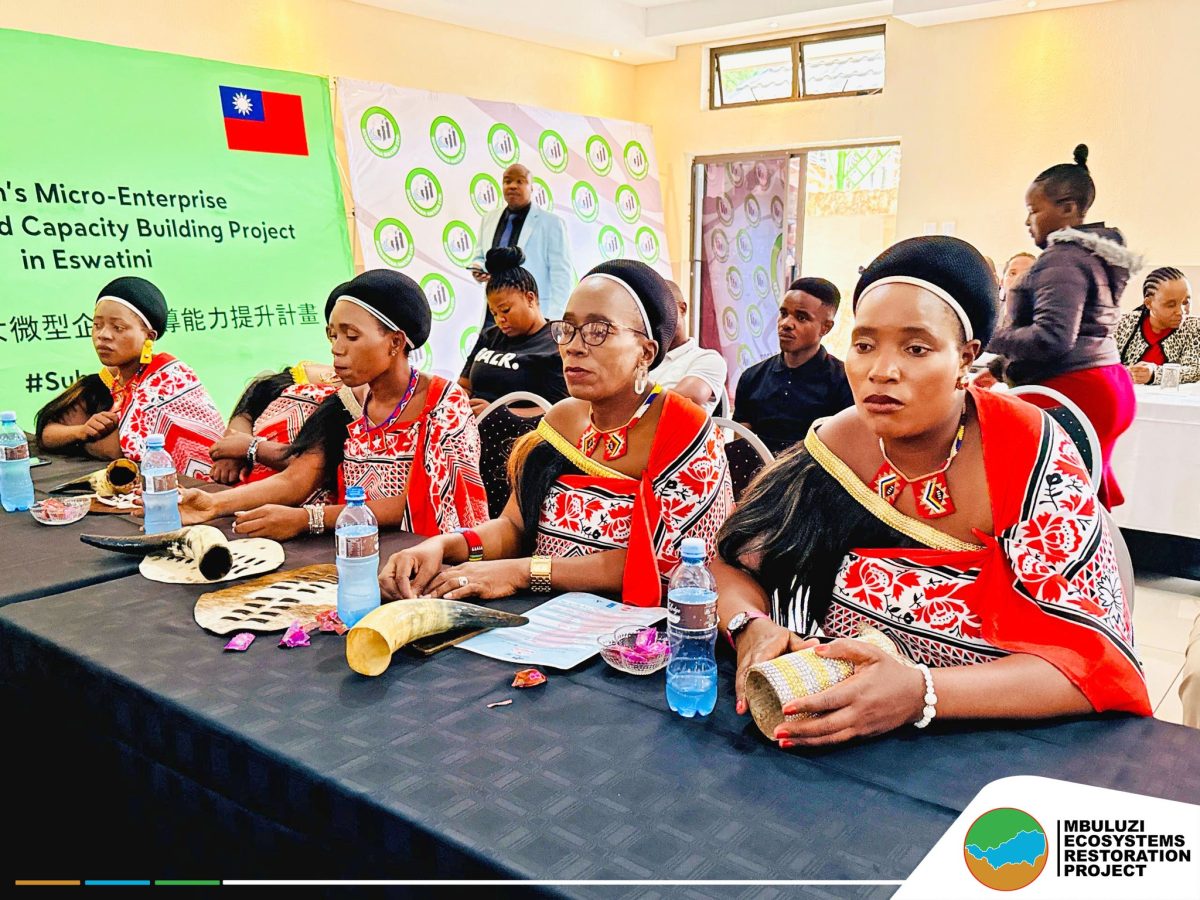
Addressing government officials, development partners and farmers gathered for the national dialogue, the Acting Deputy Prime Minister said the role played by women in agriculture was both historic and transformative.
“Women farmers are the backbone and the heart of our agricultural sector,” she said. “They grow the food that feeds our nation and sustain the livelihoods of families across rural communities.”
She said empowering women farmers was central to the country’s broader development agenda.
“When women are given access to land, finance, training and markets, agriculture becomes more productive and communities become more prosperous,” she said. “Supporting women farmers is not just about equality, it is about securing the future of our food systems and our economy.”
Across the developing world, agriculture increasingly carries a female face. According to the Food and Agriculture Organization (FAO), women make up about 43 percent of the global agricultural labour force, while in many developing countries they produce between 60 and 80 percent of the food consumed by households.
In sub-Saharan Africa, women are estimated to contribute as much as 70 percent of staple crop production and manage the majority of small livestock enterprises.
Yet despite this central role, women farmers often operate with fewer resources than men. Globally, less than 20 percent of agricultural landholders are women, limiting their access to credit, inputs and formal agricultural markets.
It is precisely this gap that the Taiwan Technical Mission aims to narrow through its revolving microfinance fund.
Speaking during a panel discussion at the event, Grace Dludlu of the Taiwan Technical Mission said the programme was designed to give women farmers the financial tools needed to expand their agricultural enterprises.
“The project focuses on empowering women in agriculture through training and access to financing,” Dludlu said. “Many of the women we work with are involved in vegetable production and livestock farming, including cattle, chickens, goats and pigs. Through this programme we guide them from beginner farmers to experienced agricultural entrepreneurs.”
The TaiwanICDF revolving fund, launched in late 2023 with an initial investment of US$1 million, has steadily expanded following an additional US$500,000 injection in 2025, bringing the total fund to approximately US$1.5 million, or about E27 million.
As of early 2026, more than E14.7 million had been disbursed to 710 beneficiaries, with around 71 percent of recipients being women entrepreneurs.
Dludlu said the revolving structure of the fund ensures sustainability.
“Loans that are repaid are reinvested to support new applicants, which means the programme continues to grow and reach more women farmers,” she said.
Beyond financing, the initiative also focuses on building the business skills of women farmers. Since 2020, more than 6,000 women have received training in entrepreneurship, financial management and agricultural business development.
“Many women farmers operate informally and struggle to access loans from commercial banks,” Dludlu said. “Through this programme we also help them register their businesses and understand the importance of insurance so they can protect their enterprises from natural disasters and other shocks.”
At the same event, Sonia Paiva, founder of the Woman Farmer Foundation, echoed the sentiment that women farmers remain central to national development.
“Every day is Women’s Day for the women who are working the land,” Paiva said. “Women are the heart of the nation because their work touches every part of the economy, especially agriculture and food security.”
She said providing platforms where women farmers can share their successes and challenges was crucial for driving collective progress.
“Empowerment begins when women are given the opportunity to lead, to speak and to shape the economic systems they participate in,” she said.
For many women farmers, programmes like the TaiwanICDF fund represent more than financial assistance. They offer a pathway from subsistence farming to sustainable agribusiness.
One beneficiary, a vegetable farmer who accessed the fund to expand her production, said the financial support had allowed her to move beyond survival farming.
“Before the loan, I was only producing enough vegetables for my family and small sales,” she said. “Now I am supplying local markets and employing other women in my community.”
Another livestock farmer who benefitted from the revolving fund said the programme had enabled her to invest in improved farming practices.
“With the funding I was able to buy more goats and improve my chicken project,” she said. “Farming is no longer just something we do to survive, it is now a business that supports my household.”
Agricultural experts say such transitions are critical if Eswatini is to strengthen its domestic food systems and reduce vulnerability to external economic shocks.
Like many countries in the region, Eswatini faces rising agricultural input costs, climate change pressures and growing food demand. Smallholder farmers remain central to addressing these challenges.
Women farmers, who often manage both household nutrition and agricultural production, are particularly influential in shaping food systems.
Research shows that when women farmers have equal access to resources such as credit, land and agricultural inputs, farm yields can increase significantly, strengthening both household incomes and national food security.
For the Acting Deputy Prime Minister, the message from the International Women’s Day dialogue was unmistakable.
“The future of agriculture in Eswatini will be shaped by the women who work the land,” Mkhonta-Simelane said. “And when we invest in women farmers, we are investing in the prosperity, resilience and sustainability of our entire nation.”