

BY PHESHEYA KUNENE
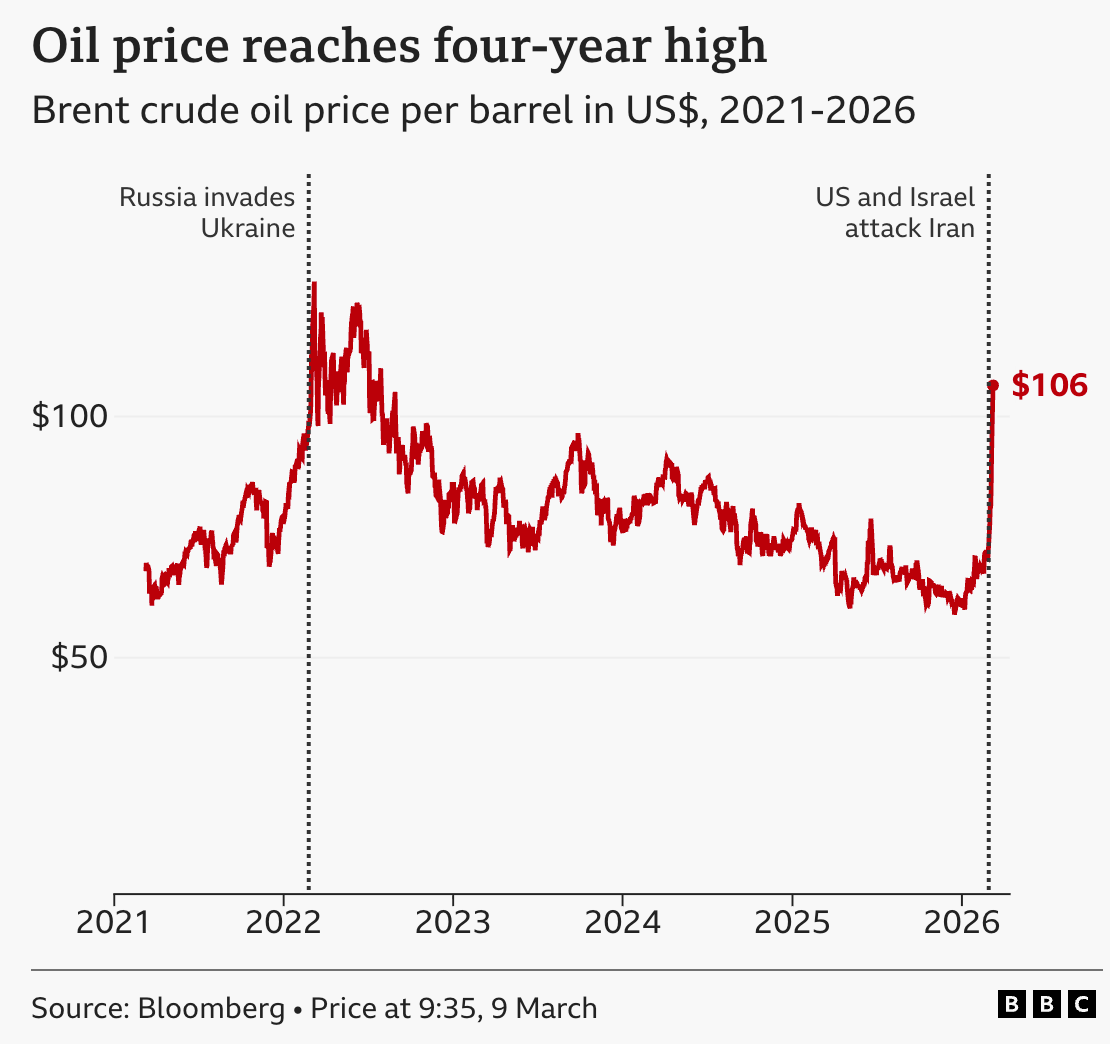
MANZINI — Brent crude oil surged to about US$106 (SZL 1,753.02) per barrel on Monday, 9 March 2026, its highest level in four years, deepening concern in Eswatini’s manufacturing, agro-processing and agricultural sectors that the shock could soon raise tractor hire charges, feed costs, transport bills and eventually food prices.
The fresh spike places oil prices at their highest point since the disruption that followed Russia’s invasion of Ukraine in 2022, underscoring the seriousness of the latest market turmoil. The jump followed escalating conflict involving Iran, Israel and the United States, which has rattled global energy markets and revived fears of imported inflation in vulnerable economies such as Eswatini.
For Eswatini, the threat is immediate because fuel sits at the centre of production and distribution. Diesel powers tractors, irrigation systems, haulage, feed delivery and produce transport, while higher oil prices also raise shipping and freight costs on imported goods.
That has triggered apprehension in the country’s manufacturing and agro-processing sectors, which are heavily exposed to transport, logistics, imported raw materials and energy-related cost pressures.
National Maize Corporation Communications Officer Lungelo Nkambule said the corporation was monitoring the developments with keen interest.
“We are actively monitoring the situation and will react to it when necessary,” she said.
Nkambule said it was still too early to make firm pronouncements. “We would not say much for now besides observing the situation and hoping for the best,” she said.
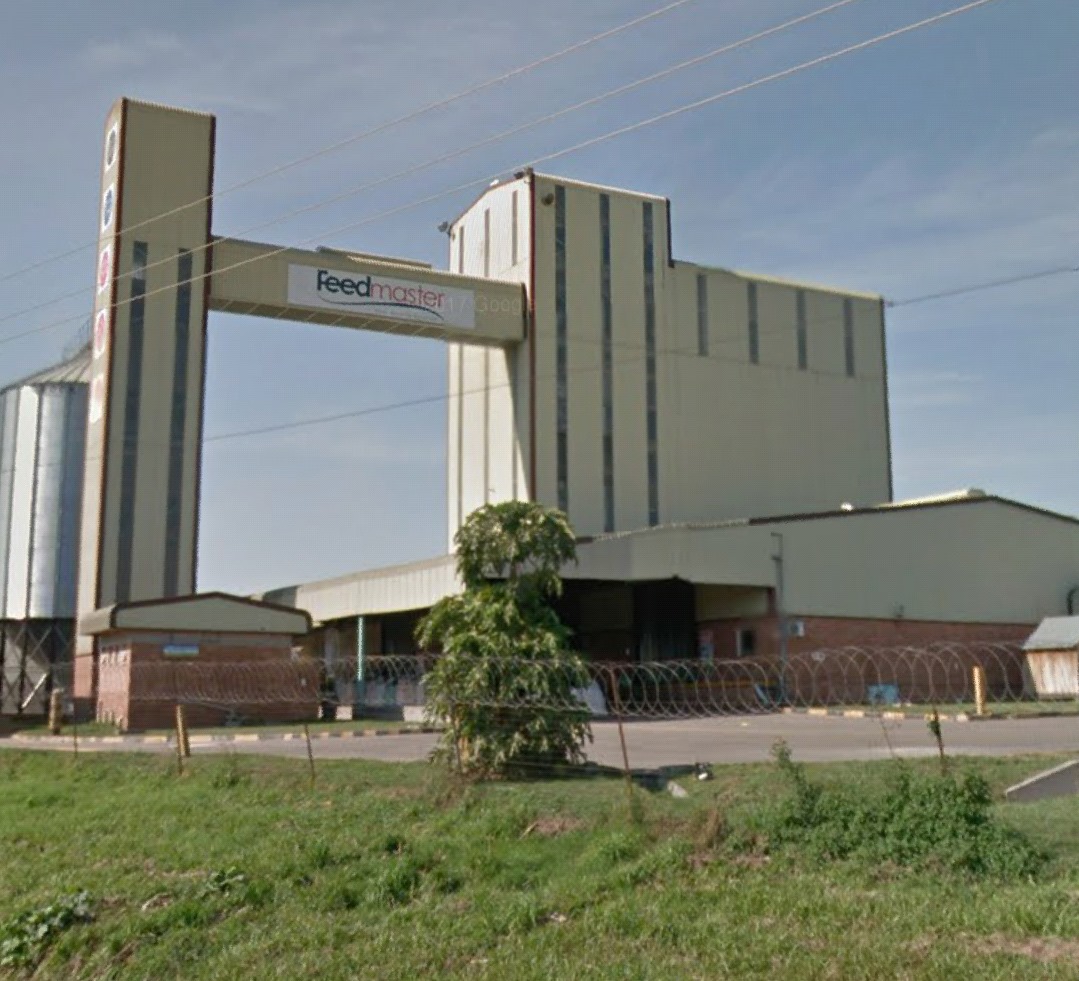
Feedmaster also signalled caution, saying it was too early to comment publicly on the likely impact of the oil surge. “We do not have anything to say for now,” said Feedmaster Group Technical Adviser, Mncedisi Simelane. “It is too early for us to comment about this.”
Even so, the exposure of feed manufacturers is considerable. Feedmaster imports nearly all of its major raw materials, including yellow maize, soybean and sunflower, mainly from South Africa and sometimes from overseas. That means a sustained rise in oil prices could increase shipping, freight and inland transport costs, putting pressure on feed production and, in turn, on livestock farmers who depend on manufactured feed.
The same concern applies more widely across agro-processing, where rising fuel costs can affect the movement of raw materials, factory inputs, packaging and final products. If the current oil rally persists, manufacturers may face pressure to pass some of those costs down the chain.
One of the first visible pressure points in agriculture is expected to be tractor hire. For many smallholder farmers, tractor services are among the earliest and most important expenses at the start of the season. A prolonged diesel price increase would likely force operators to review their charges, raising production costs before farmers even buy seed or fertiliser.
The livestock sector is also vulnerable. Any increase in the cost of transporting feed ingredients and finished feed could affect poultry, piggery, dairy and beef production.
Principal Secretary in the Ministry of Agriculture Sydney Simelane said the developments were troubling for both agriculture and trade. “Such developments are not good as they will have negative impacts on imports and exports prices and might affect other prices or costs,” he said.
The country depends heavily on imported agricultural inputs such as fertiliser, seed, pesticides and machinery parts. Rising oil prices can lift shipping and inland transport costs, making those imports more expensive and squeezing already thin margins in farming.
The dairy industry is also watching closely. Eswatini Dairy Board representative Bandile Mdluli said higher fuel costs were likely to affect both dairy imports and exports through transport and logistics, with possible implications for prices if the pressure persists.
The wider inflation risk remains uncertain, but economists say the duration of the oil shock will be critical. While the latest surge is not yet being treated as a repeat of the double-digit inflation crisis seen a few years ago, it is already strong enough to threaten lower inflation expectations and add fresh cost pressure across food systems.
In Eswatini, that danger is magnified by the country’s dependence on imports and the central role fuel plays across the agricultural value chain. If the oil surge holds, the likely effect will be a chain reaction: higher tractor hire, more expensive feed, increased transport charges, rising agro-processing costs and fresh upward pressure on food prices.
That would weigh most heavily on smallholder farmers and low-income households, both of whom have little room to absorb another cost shock.
With oil now at a four-year high, what began as a global geopolitical crisis is fast becoming a live cost threat for Eswatini’s farms, factories and food basket.
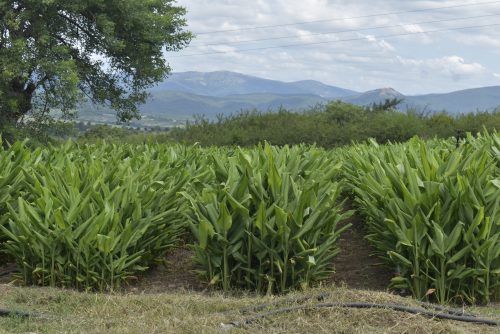
Featured photo sourced from NMC Facebook page.