
BY PHESHEYA KUNENE - EDITOR
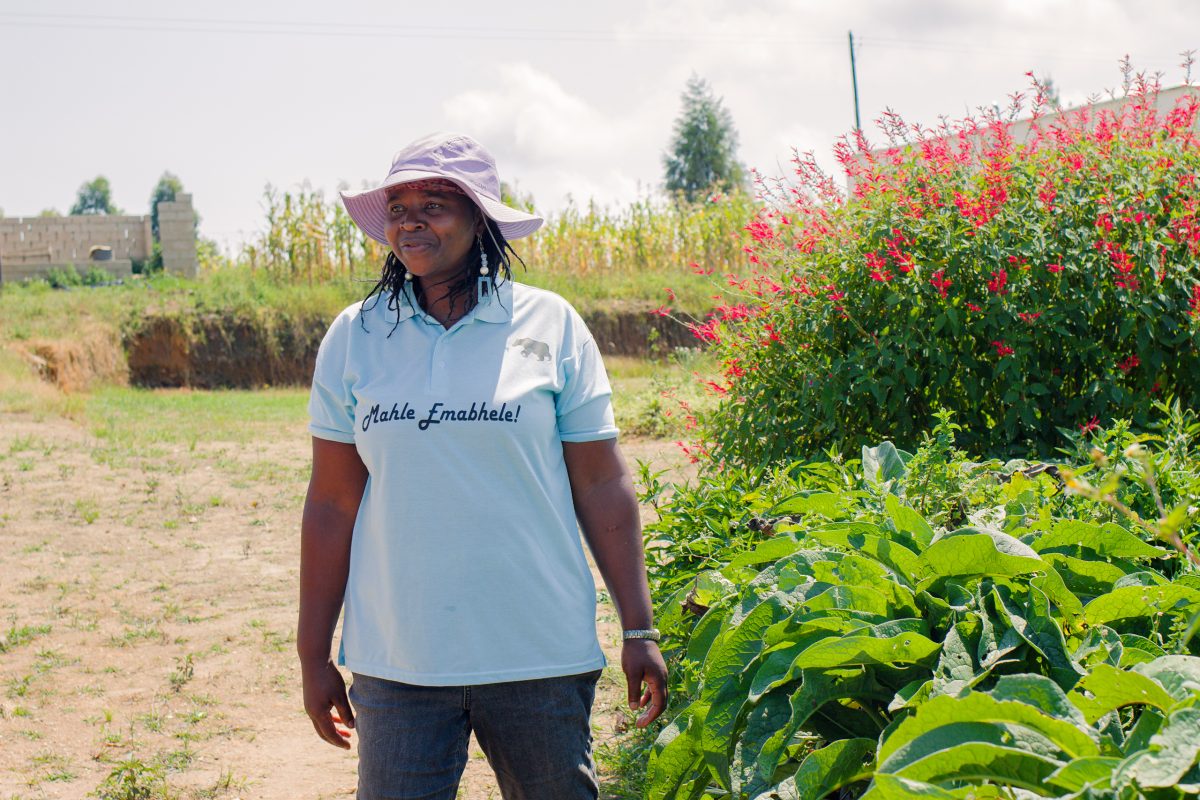
HAWANE – A Hawane farmer supplying major supermarkets and operating Eswatini’s first strawberry pick-your-own experience is preparing to expand her almost 10,000 plants enterprise, signalling a profitable shift toward high-value horticulture and agritourism in the Highveld.
From ICT desks to strawberry beds, Happiness Shabangu-Simelane is proving that farming in Eswatini is no longer a subsistence hustle but a smart, diversified business with real market muscle.
Set on just over 10 hectares in the cool Highveld, her operation now carries about 10,000 strawberry plants, alongside rabbits, broilers, Makhaya chickens, maize and beans, a mixed model that cushions income and creates year-round cash flow. Four people are already employed on the farm, a small but telling sign of agriculture’s potential to absorb labour when managed commercially.
“I want this place to be a provider of peace and opportunity,” she said while leading a field tour with her husband, who works alongside her in building both the farm and their homestead.
FROM PLOTS TO PROFIT
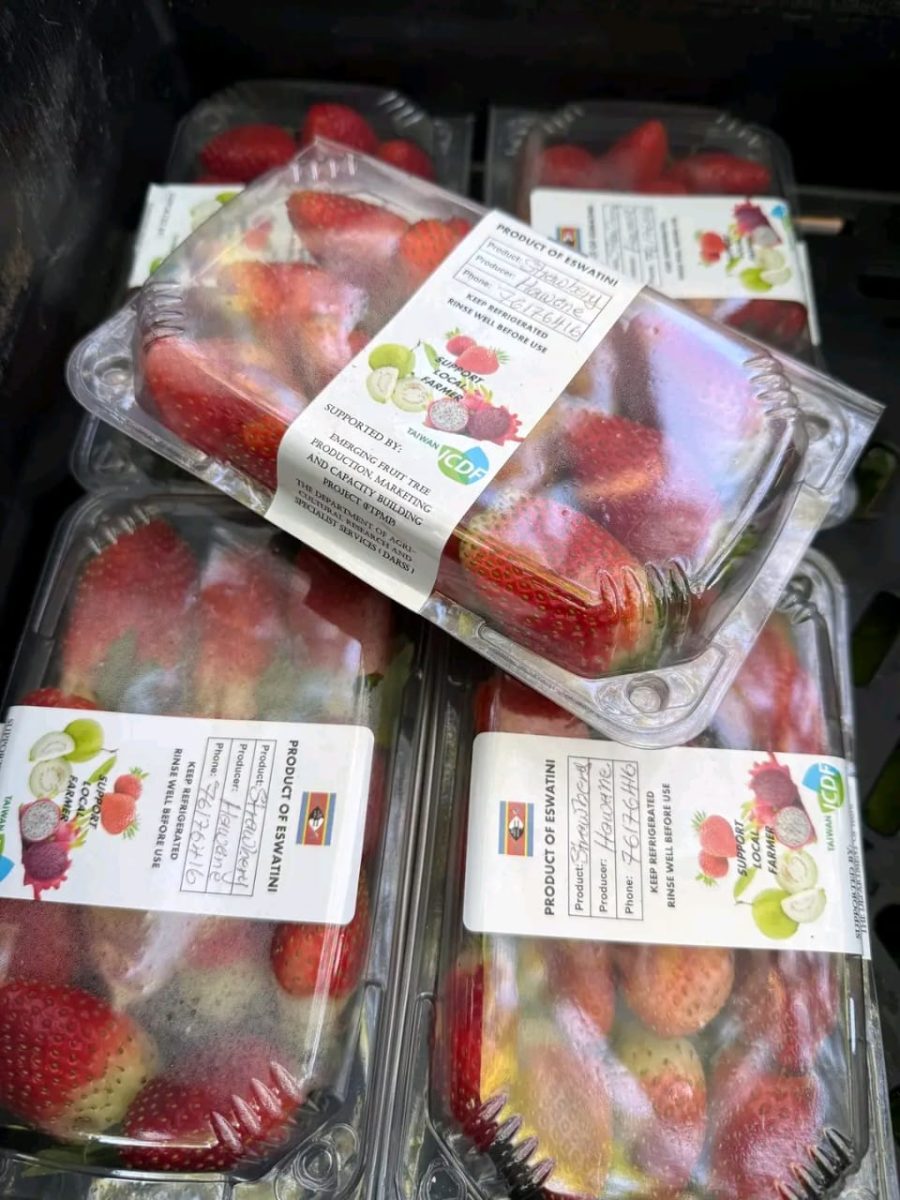
What began as a modest berry project has evolved into a supply chain feeding major retailers including Pick n Pay and OK Foods, as well as restaurants, weddings and local vendors. Her strawberries take about five months to mature, with yields averaging up to 20 berries per plant under optimal conditions.
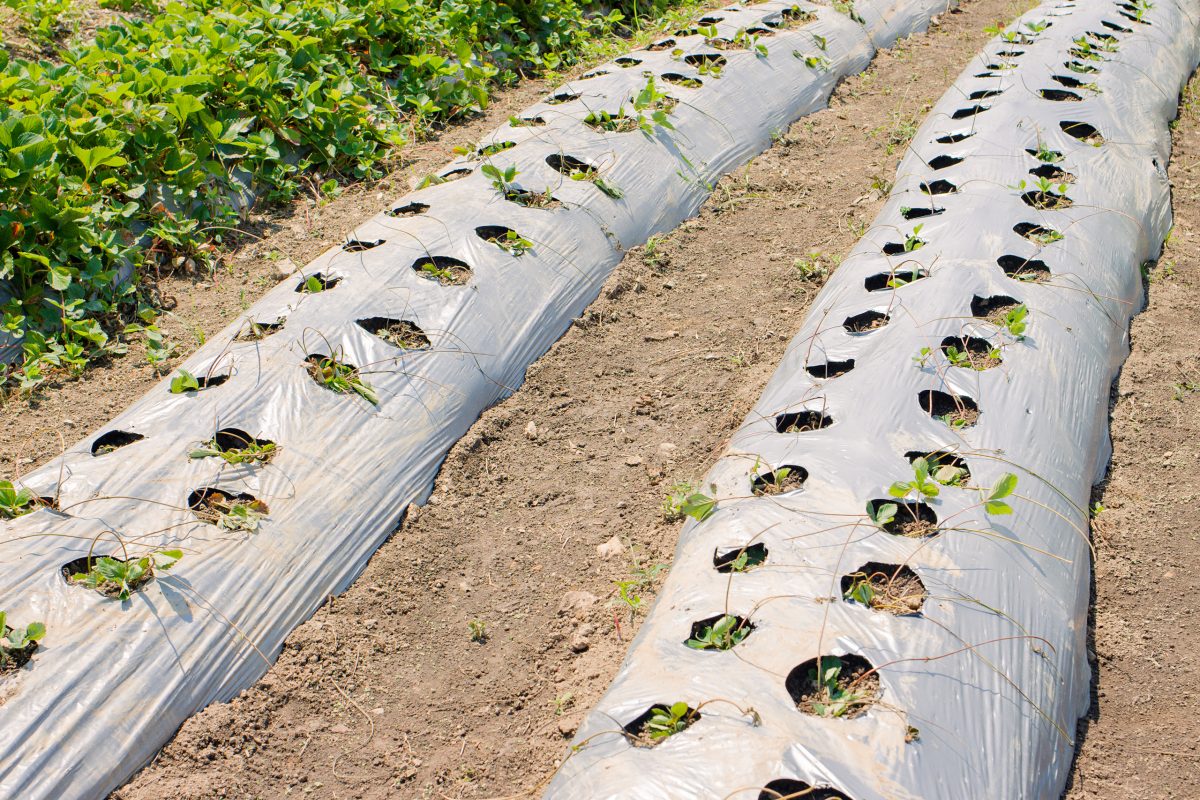
The farmer uses mulching plastic to suppress weeds, conserve moisture and reduce pest pressure, a climate-smart technique increasingly adopted across the country. Beds are measured at 90 centimetres with 30-centimetre plant spacing, while soil pH is maintained between 6.0 and 6.8 for optimal fruit quality.
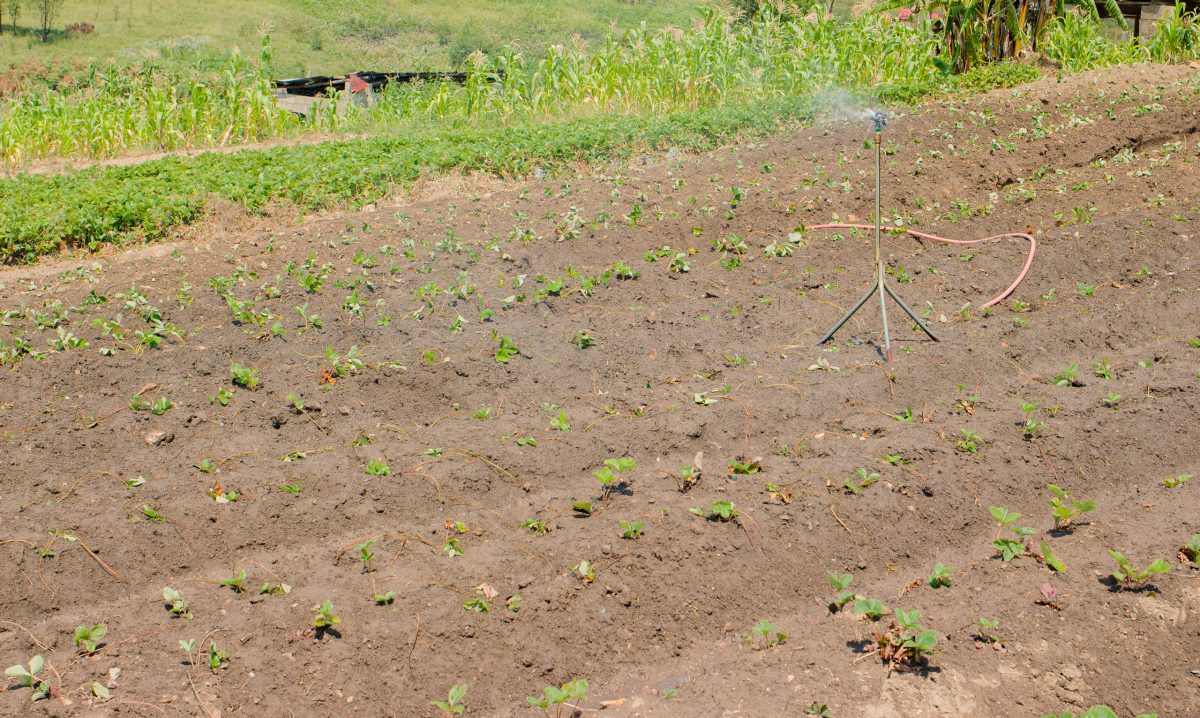
Organic inputs, including rabbit and chicken manure, are applied away from the root zone to prevent burn, and a simple bicarbonate and vinegar solution is used as a low-cost pest deterrent. Sprinkler irrigation twice daily keeps moisture levels stable, although prolonged rainfall remains her biggest enemy.
“Too much rain causes rot, especially in shaded areas, which is why protected production is the future,” she explained.
PICK-YOUR-OWN ECONOMY
In May last year, the farmer diversified into agritourism, launching Eswatini’s first strawberry picking experience with technical support from the Taiwan Technical Mission. The initiative has turned her fields into a weekend destination, drawing families, youth and even visitors from neighbouring countries.
Patrons arrive with baskets, pick fresh berries and pay per punnet, a model that increases farm-gate prices while educating consumers about food production. Plans are underway to introduce entrance fees, build changing rooms, offices and ablution facilities to formalise the experience.
The berries are also processed into juice and jam, extending shelf life and adding value to lower-grade fruit.
COOPERATIVE POWER
As a member of the Hawane Multipurpose Cooperative, a 40-strong collective, she benefits from shared learning and market coordination while maintaining individual production space. Cooperative models are increasingly seen as key to scaling smallholder output and strengthening bargaining power in retail supply chains.
Her appearance at the Ezulwini Farmers Market last year ended in a sell-out within hours, underscoring strong demand for locally grown strawberries and the potential to reduce imports.
DATA, DIGITAL AND DIVERSIFICATION
Balancing a career in ICT with farming, she uses social media platforms such as TikTok, Facebook and Instagram for direct marketing, a low-cost strategy that is transforming how small farmers reach consumers.
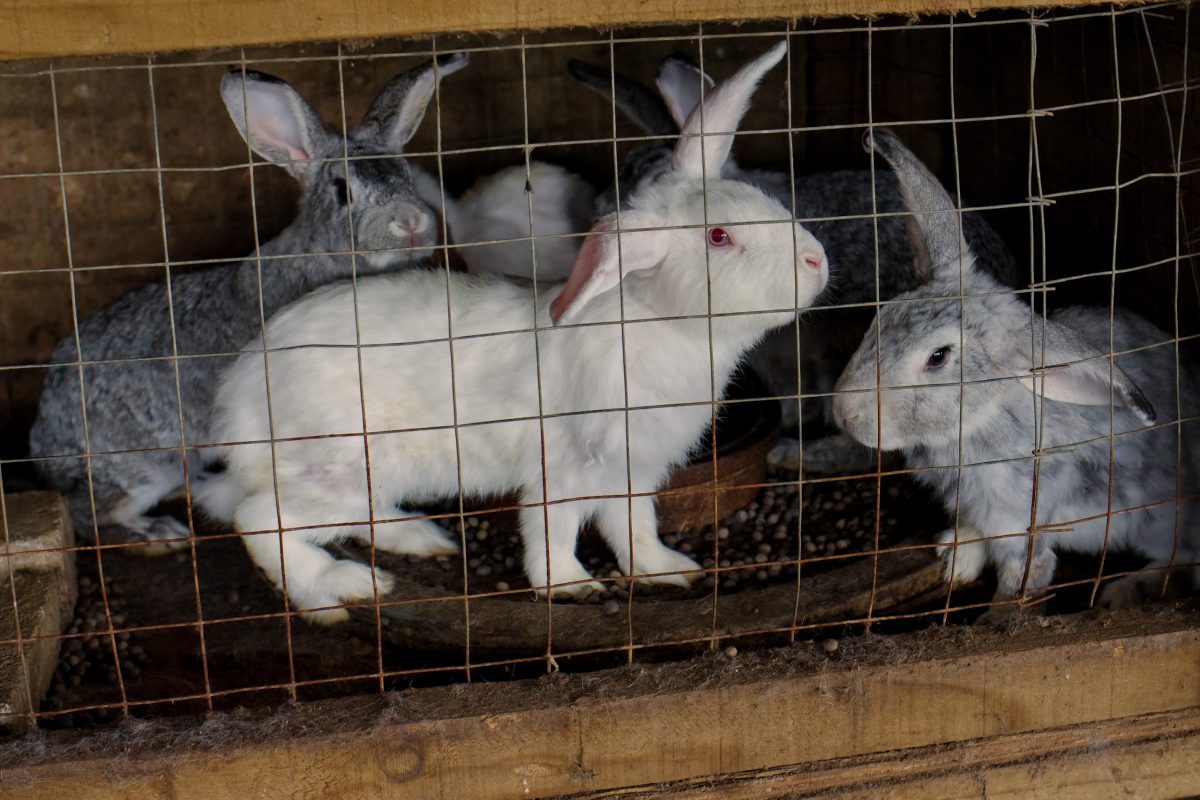
Diversification into rabbits, which can produce up to 13 kits per litter, and indigenous poultry provides quick turnover income and organic manure for crop production, closing nutrient loops on the farm.
LESSONS FOR FARMERS
Her model highlights several practical takeaways for growers:
• diversify enterprises to stabilise income
• adopt mulching and irrigation to manage climate risk
• add value through processing and agritourism
• use digital platforms for market access
• start small and scale gradually
“Do not be afraid to start small or to sell,” she advised young farmers. “Research constantly and treat farming like a business.”
STRAWBERRIES AND THE FUTURE
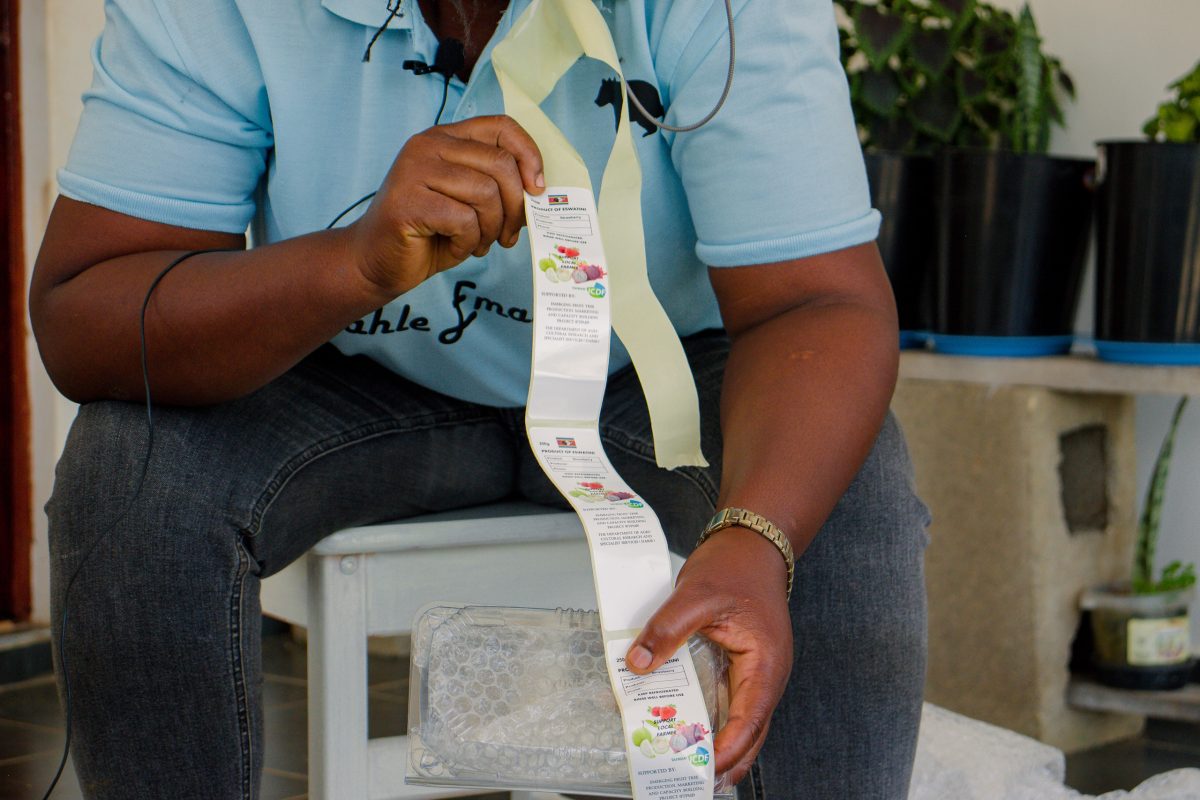
Supported by the Taiwan-led Emerging Fruit Tree Production, Marketing and Capacity Building Project, high-value crops such as strawberries are opening new income streams for local producers while strengthening food security and reducing import dependence.
Her farm is now preparing for expansion, with additional plants, improved visitor infrastructure and increased retail supply on the horizon, a sign that Eswatini’s agricultural future may well be written in berries, business plans and bold ideas.
From curtain sewing to climate-smart cultivation, Shabangu-Simelane’s journey reflects a broader shift in the sector, where innovation, diversification and market orientation are turning small plots into engines of rural growth.