
BY: SIKHONA SIBANDZE | JOURNALIST
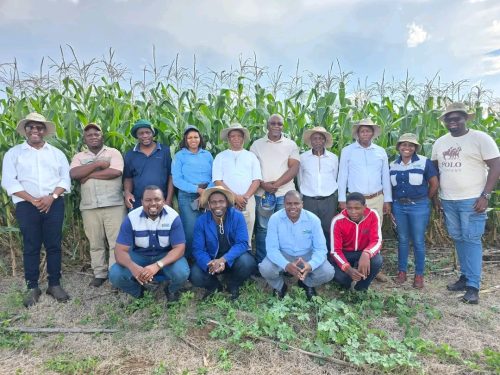
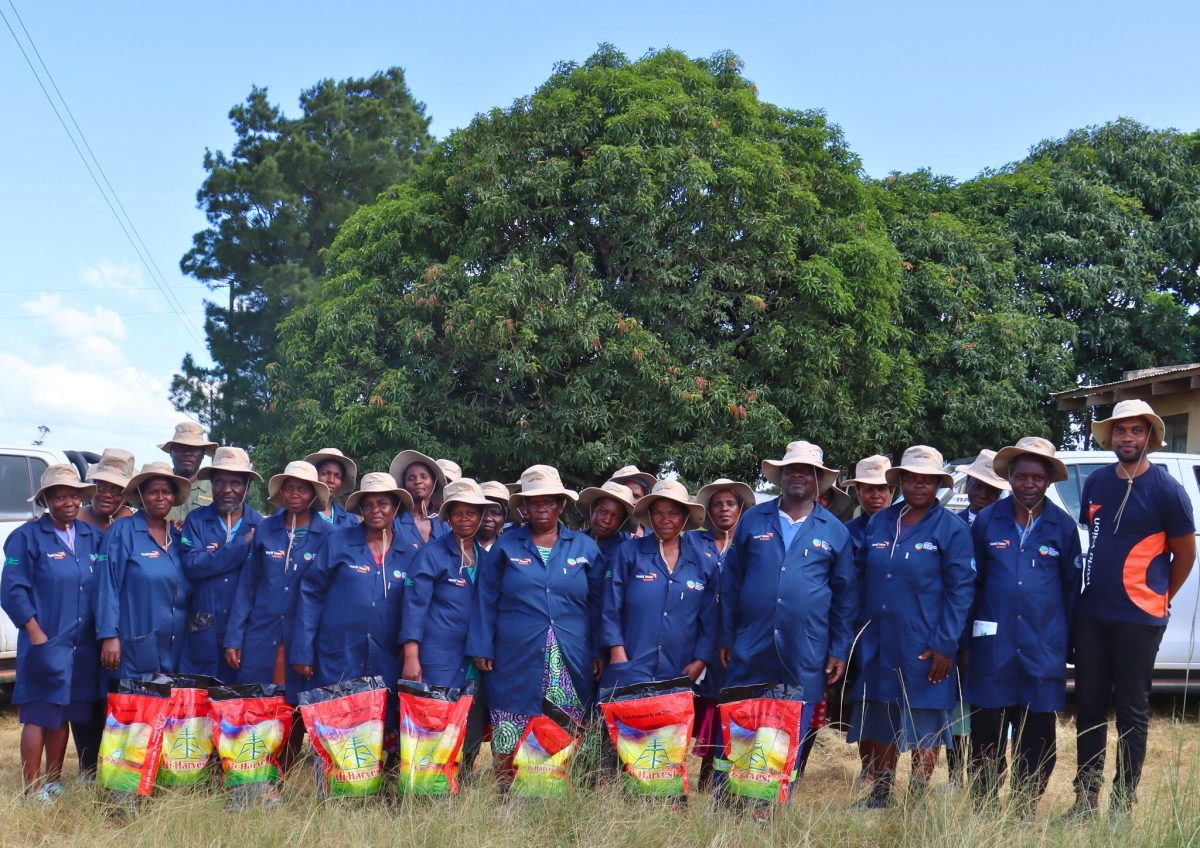
MANZINI — In the dry hills of Shewula, a new kind of classroom is changing how farmers grow food. Through Farmer Field Schools under the Mbuluzi Ecosystems Restoration Project, local lead farmers are gaining practical, low-cost techniques, then passing them on to their neighbours, to rebuild soil health, protect water, reduce input costs and boost harvests, strengthening household food security in one of Eswatini’s climate-exposed farming landscapes.
Farming knowledge that spreads farmer-to-farmer
The training is delivered through Farmer Field Schools (FFS), a hands-on, group-based learning approach where farmers observe, experiment and make decisions in real time on their own plots rather than relying on one-size-fits-all instructions. FAO describes FFS as “field-based” learning that builds farmers’ skills in analysis and decision-making, so they can adapt practices to their local conditions and seasons.
In Shewula, that practical learning is translating into everyday improvements: better soil structure, improved moisture retention, smarter pest control, and more resilient crop systems, especially important as weather patterns become less predictable.
Lead farmers turn training into real results
One of the trained lead farmers, Joseph Tfumbatsa, says the biggest breakthrough is turning cow dung into organic manure, an accessible alternative to expensive fertiliser that improves soil fertility over time. “This new method keeps the soil healthy, is very cost effective, and results in bigger harvests,” he said. The impact goes beyond one homestead. Lead farmers are trained specifically to mentor others, helping knowledge move quickly across the community, plot by plot, season by season.
Celiwe Magagula, another lead farmer, describes the training as a turning point not only for her family but for Shewula as a whole. “I am excited to share this knowledge with others in the community. When we apply these practices, we strengthen our food security, “she said.
From demonstration plots to stronger harvests
World Vision Eswatini’s Livelihoods Coordinator, Kuhle Hlophe, says Shewula is among the communities being capacitated on sustainable land management practices, among them intercropping, soil and water conservation, integrated production and pest management, and conservation agriculture.
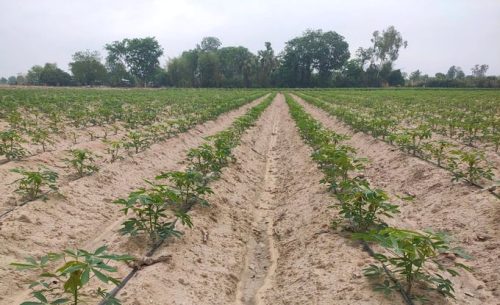
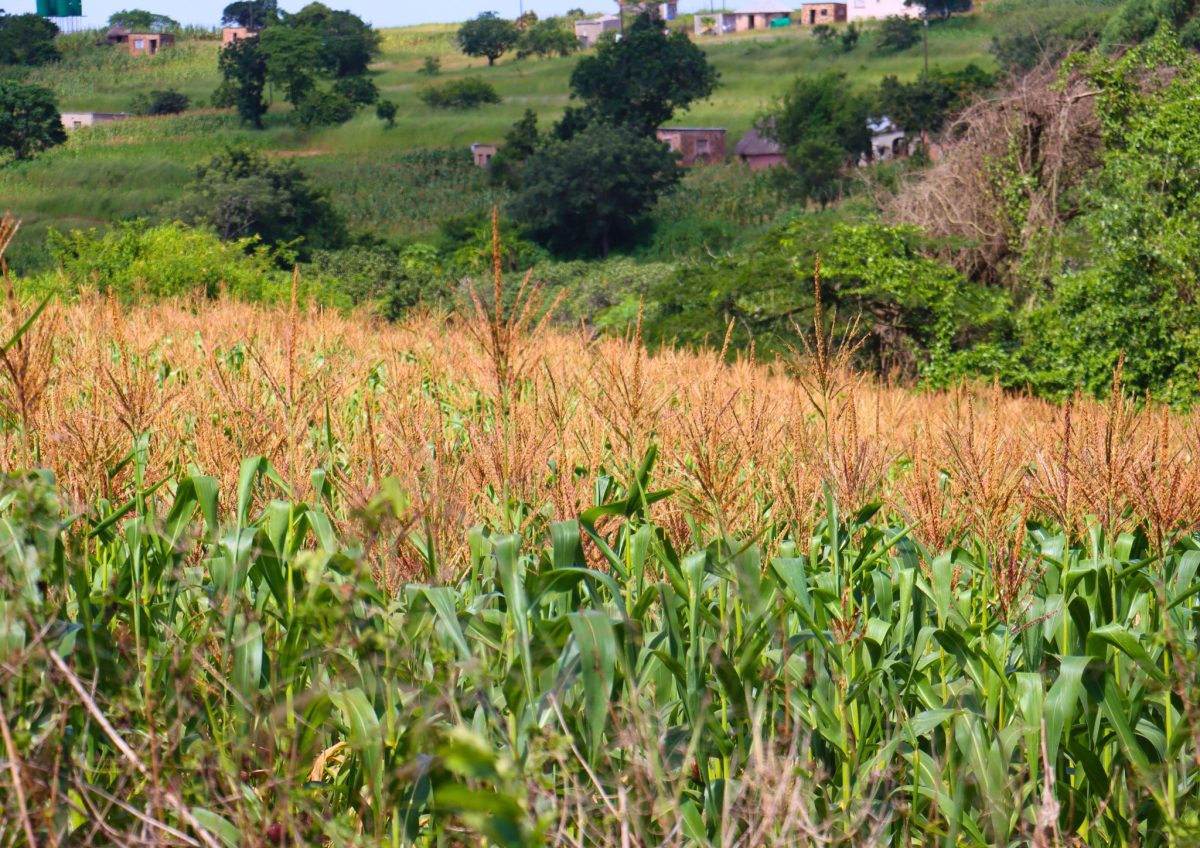
At the Shewula demonstration plot, farmers are already applying intercropping in a maize field planted alongside mung beans, maximising land use while improving soil fertility and overall field resilience. This matters because legumes such as mung beans can support soil health and reduce pressure on chemical inputs, while diversified fields can lower risk when rainfall is erratic or pests surge.
Why the Mbuluzi project matters for Eswatini
The Shewula training sits within a bigger national push: the Mbuluzi Ecosystems Restoration Project is designed to restore degraded land while supporting rural livelihoods across the Mbuluzi River Basin, one of Eswatini’s major river systems and a transboundary ecosystem shared with Mozambique. The project is nationally executed under the Eswatini National Trust Commission, supported by the Global Environment Facility and implemented through the UN Environment Programme (UNEP).
That broader environmental focus is directly linked to farming outcomes. Healthier catchments and better soil and water management help stabilize production, reduce erosion, and protect ecosystem services communities depend on, especially in landscapes where smallholder agriculture and natural resources are tightly connected.
Linking healthy soils to healthier children
World Vision says the work aligns with its global ENOUGH Campaign, a movement launched to help end child hunger and malnutrition by combining immediate support with longer-term food system change. In practice, the logic in Shewula is simple: when soils recover, harvests improve; when harvests improve, households can feed children better and more consistently.
For Shewula farmers, the most powerful shift is that solutions feel achievable. By learning techniques that use locally available resources, like manure, mulch, contouring and mixed cropping, families are cutting costs while building farms that can withstand tough seasons.
And as trained lead farmers continue teaching others, the benefits are expected to multiply: stronger yields, better land stewardship, and a more food-secure community contributing to Eswatini’s wider resilience goals, starting from the ground up.