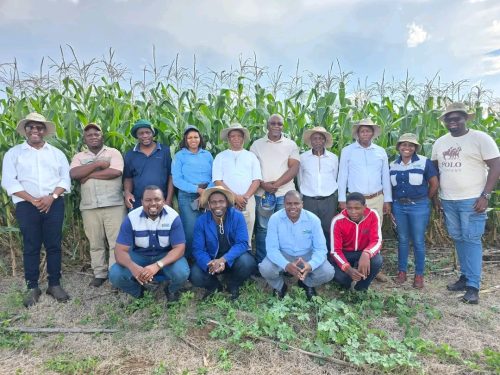


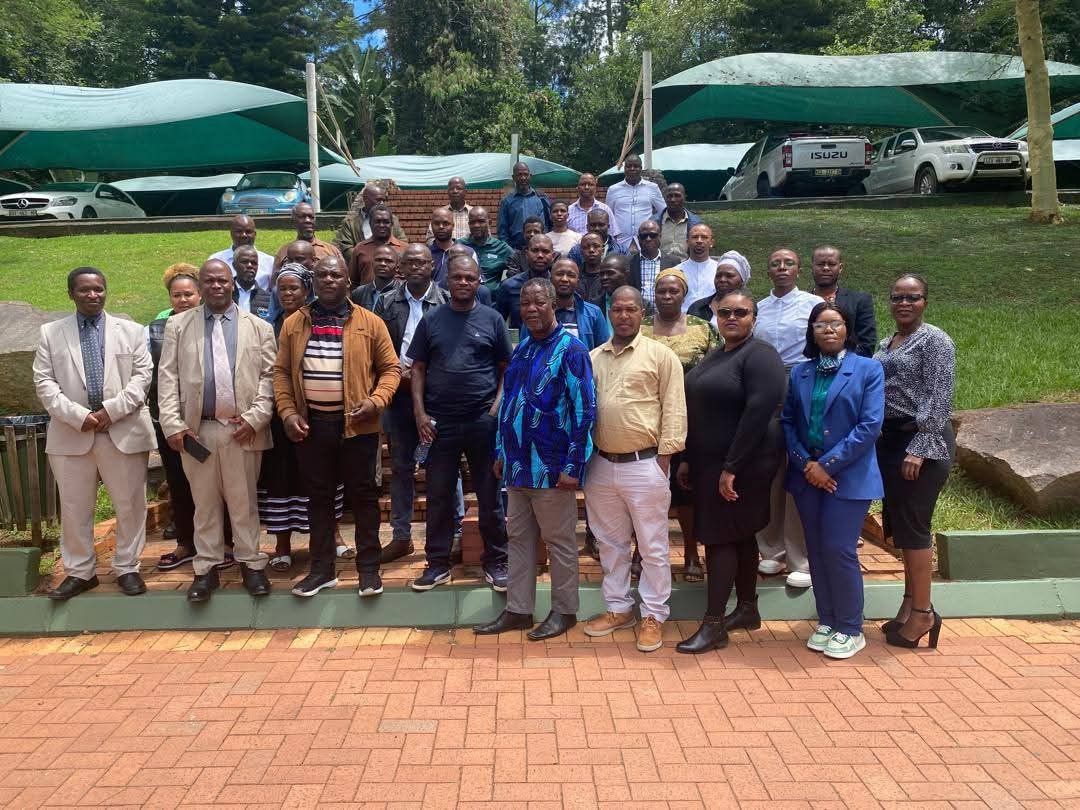
Stakeholders pose for a group photo following the Differential Water Pricing Framework workshop held at Piggs Peak Hotel.
BY SIBUSISIWE NDZIMANDZE | JOURNALIST
MANZINI – Government’s ongoing reform of the water pricing system could bring greater fairness to agricultural farmers in the commercial sector, as the Ministry of Natural Resources and Energy moves to introduce a differentiated tariff structure based on the scale and purpose of water use.
This emerged during a stakeholder workshop on the proposed Differential Water Pricing Framework, held yesterday at Piggs Peak Hotel and convened by the Department of Water Affairs (DWA).
The engagement brought together middle- to large-scale water users, particularly agricultural farmers in the commercial sector, including representatives from Ngonini, Tabankulu, Royal Eswatini Sugar (RES), the Eswatini Cane Growers Association, River Basin Authorities, the Global Water Partnership (GWP) and other key stakeholders.
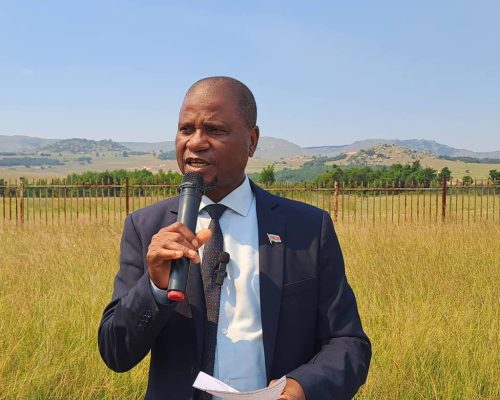
Ministry of Natural Resources and Energy, Acting Principal Secretary Sicelo Nxumalo emphasized that water is a strategic national resource that underpins agriculture, industry, energy production and economic growth.
“Water is life, but it is also a driver of economic growth and national development,” Nxumalo said. “Managing it responsibly requires a framework that is fair, transparent and sustainable.”
Aligning Charges with Usage
Officials explained that the current pricing structure does not fully reflect the true cost of water resources management and infrastructure development. In some instances, users with vastly different abstraction levels face similar tariffs.
The proposed differential water pricing approach therefore seeks to establish a fair, transparent and sustainable framework that aligns water charges with the scale, purpose and economic value of water use, while ensuring that contributions toward water management and infrastructure costs are proportionate.
The framework aims to protect essential domestic and vulnerable users, while ensuring that medium- to large-scale users contribute proportionately to the costs of managing and safeguarding the resource. It is guided by key principles including equity and fairness, sustainability of water resources, economic efficiency, cost recovery for water management functions, and the promotion of responsible and efficient water use.
During the engagement, government reiterated its awareness of broader economic realities and sectoral sensitivities.
“The objective is not to undermine productivity or competitiveness,” Nxumalo said. “It is to strengthen long-term water security and institutional sustainability in a way that supports national development.”
Questions on Regulation and Monitoring
During discussions, participants raised concerns about how the proposed pricing structure would be regulated going forward, particularly around compliance and implementation.
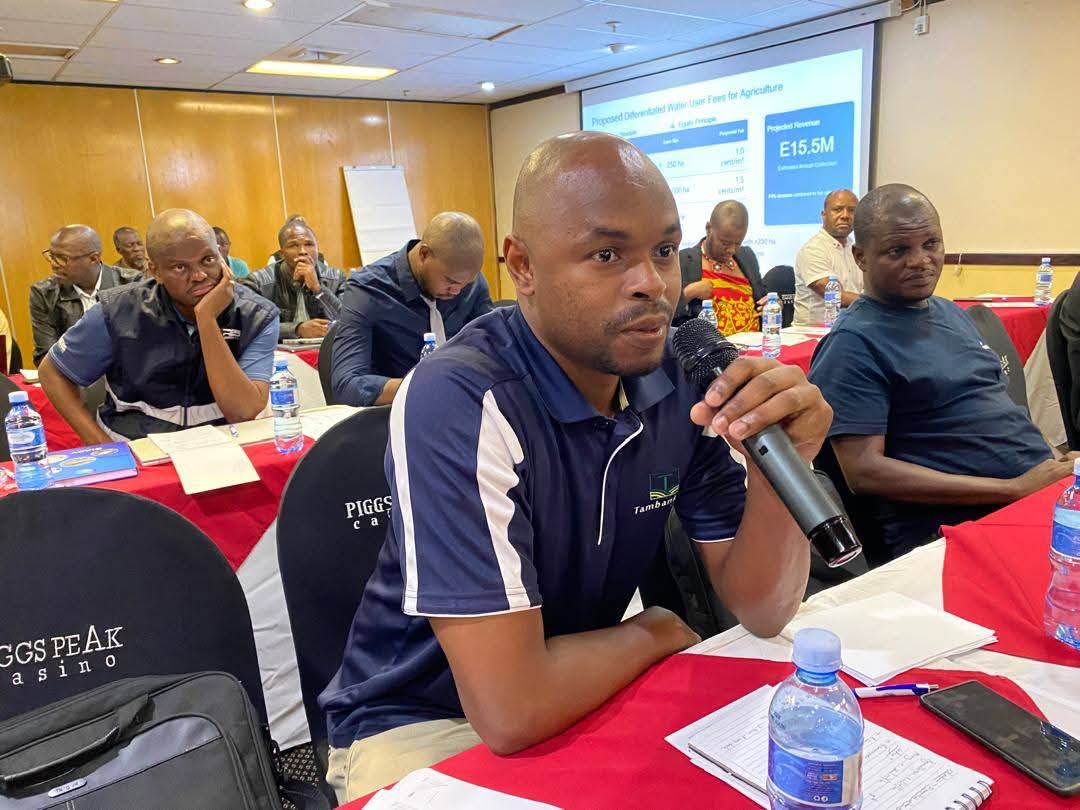
A participant raising a question on how water pricing will be regulated going forward under the proposed differential framework.
One stakeholder asked: “How will you regulate pricing going forward to ensure compliance across all categories of users?”
Another participant, Mlondolozi Nxumalo, questioned monitoring and enforcement mechanisms, saying: “When issuing a water abstraction permit, do you reinforce the requirement for a meter number to be installed and monitored, or do you issue the permit and leave it like that?”
The workshop also examined provisions of the Water Act of 2003, which provides the legal framework for water abstraction, regulation and cost recovery in Eswatini.
The concerns raised highlighted the importance of accountability, metering systems and regulatory oversight in ensuring that differentiated pricing is implemented fairly, effectively and transparently.
Ongoing Reform Process
Officials reiterated that the workshop forms part of a broader and ongoing national reform process on water pricing, following earlier countrywide engagements that gathered stakeholder input and helped shape the current phase of discussions.
They said the purpose of the workshop was to obtain sector-specific feedback, assess implementation considerations, strengthen transparency and accountability, and build consensus toward a balanced and implementable pricing model. Stakeholders were encouraged to provide practical recommendations to ensure the final framework is technically sound, economically practical and socially responsible.
The Ministry reaffirmed its commitment to transparency, inclusivity and accountability throughout the process, emphasizing that sustainable water management remains a shared responsibility between government and water users.
Stakeholder inputs from the workshop will inform the next phase of refining the Differential Water Pricing Framework as Eswatini works toward establishing a balanced and sustainable water pricing system that safeguards water resources for present and future generations.