

Big Bend to enhance livestock security and monitor movement.
BY PHESHEYA KUNENE – EDITOR
MANZINI – Eswatini’s battle against cattle rustling has entered the digital frontier.
A GPS based livestock tracking system known as Umelusi has reached the market, giving farmers real time oversight of their herds and a tactical response to a crime that has drained an estimated E6.5 million from the rural economy in recent years.
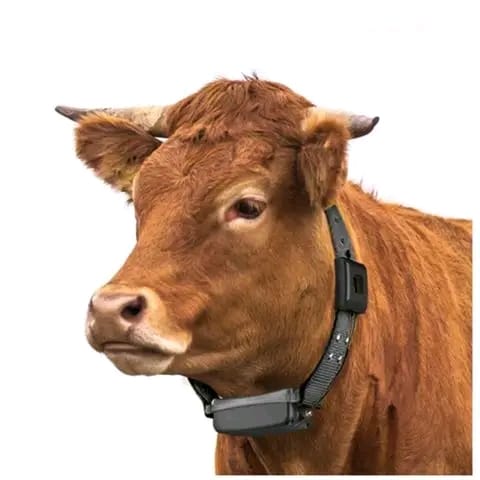
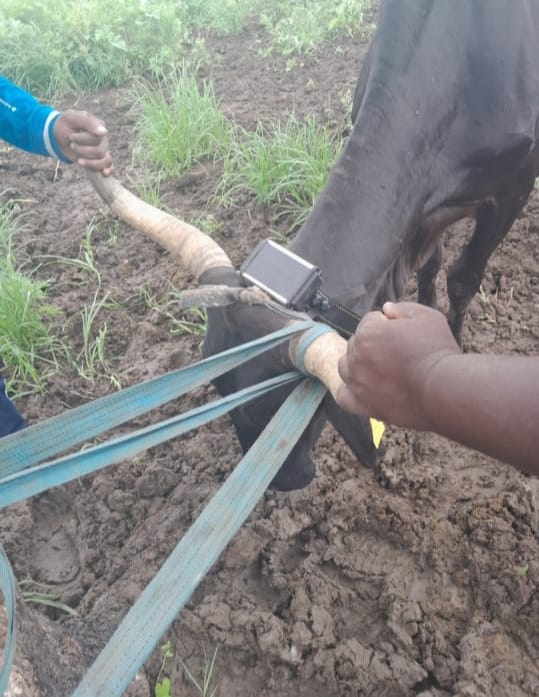
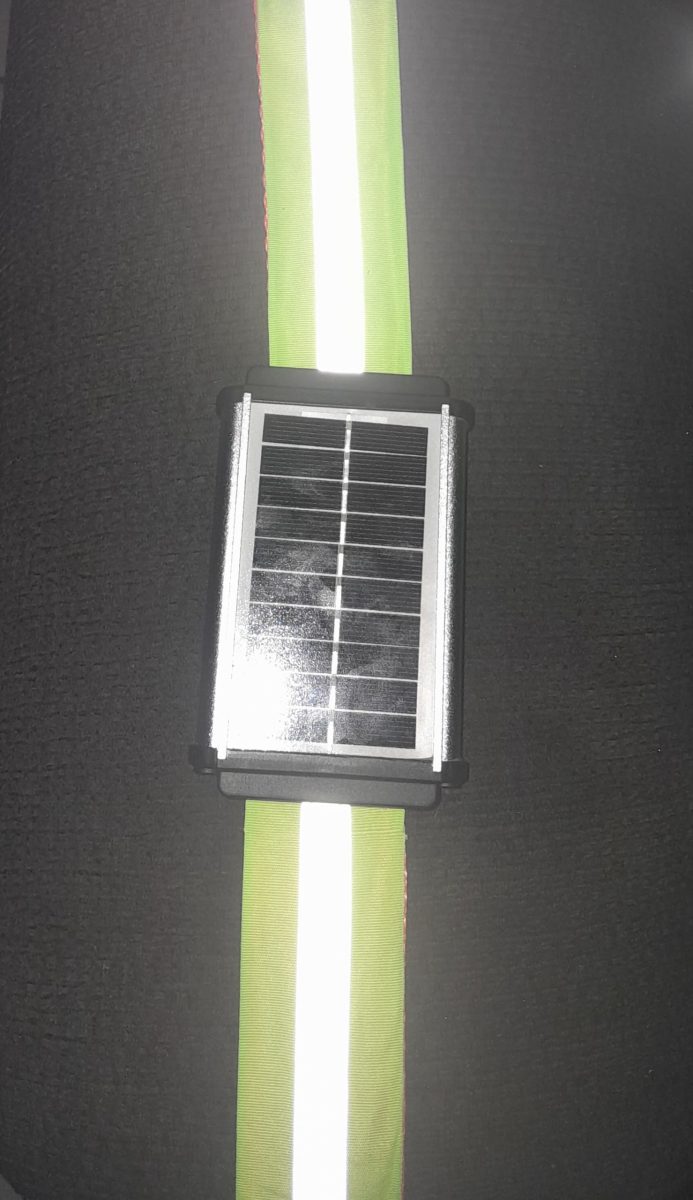
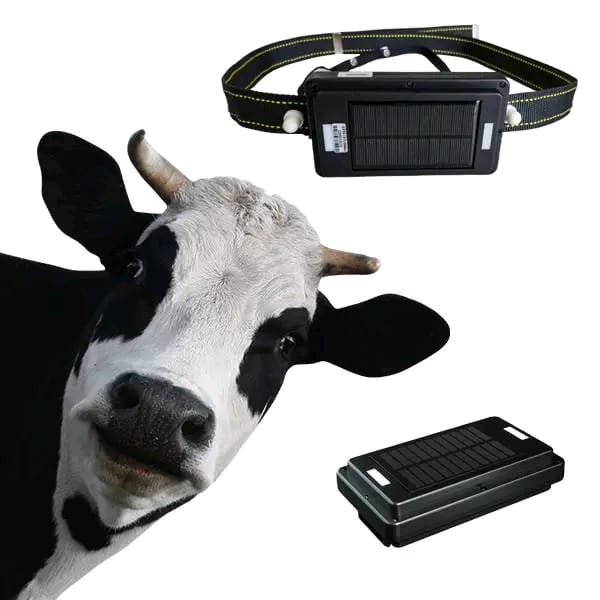
Developed by Wayfinder Investments under entrepreneur Bheka Tsabedze, the device is already operational in the Lubombo region, where more than ten cattle are fitted with reflector collar units linked directly to farmers’ mobile phones. The system enables geo fencing, instant movement alerts and remote monitoring, even when farmers are outside the country. At E1 850 per unit, producers can tag a lead animal and track the entire herd.
Tsabedze said the project was driven by escalating losses in rural communities.
“We could not watch farmers lose their livelihoods while thieves operated with impunity. Umelusi gives the farmer eyes on the herd at all times. If a cow moves at an unusual hour, the phone alerts you immediately,” he said.
He added that the technology also improves road safety and grazing control.
“The reflective collar helps motorists at night, while geo fencing allows farmers to define where cattle must graze and when they must return to the kraal,” he said.
For farmers who have spent sleepless nights guarding livestock, the system offers operational control and measurable security.
Ministry of Agriculture veterinary officer Luyanda Khumalo confirmed that government is consulting stakeholders on a national digital tracking framework. He described livestock theft as a structural threat to food security and agricultural investment.
“Stock theft reduces herd sizes, discourages expansion and forces farmers to spend more on security. It ultimately increases reliance on imported meat,” Khumalo said.
He said interventions combine technology with enforcement.
“We are strengthening collaboration between the Royal Eswatini Police Service, the Umbutfo Eswatini Defence Force and farming communities while advancing real time digital tracking solutions,” he said.
Principal Secretary in the Ministry of Agriculture Sydney Simelane has indicated that several proposals remain under review, including a national platform being explored with MTN Eswatini and the Royal Science and Technology Park, with planned integration into the Government in Your Hand digital system.
For livestock farmer Emmanuel Mkhatshwa, who lost cattle valued at over E100 000, the technology represents a decisive shift.
“The financial damage was severe. Even when the police made arrests, the losses remained. If this system can alert us before cattle are taken, it will change everything,” he said.
Across Africa, digital livestock tracking is gaining traction as countries confront organised rustling and cross border smuggling. Research shows herd losses between 5 percent and 15 percent annually in high risk regions, pushing up beef prices and eroding rural incomes. GPS based systems have reduced response times significantly while improving disease monitoring and grazing management.
Modern trackers are engineered for demanding farm environments, with decade long battery life, dust resistant casings and high precision satellite positioning. Beyond theft prevention, they generate data that helps farmers detect abnormal animal behaviour, optimise feeding schedules and prevent road accidents.
Tsabedze said adoption remains a challenge due to limited awareness.
“We are conducting roadshows because farmers must trust and understand the technology. Once they see how it works, they realise it protects their investment,” he said.
The Eswatini National Agricultural Union has welcomed the innovation. ESNAU President Thami Dlamini said livestock producers have endured prolonged financial and emotional strain.
“For years farmers have been bleeding resources to thieves. Digital tracking introduces accountability and gives producers a practical tool to protect their herds,” he said.
While a national system is still under consultation, Umelusi’s early deployment signals a transition from reactive policing to preventative digital surveillance. If scaled, the technology could stabilise beef supply, reduce imports and safeguard one of the country’s most valuable agricultural assets.
For a sector long defined by night patrols and loss reports, the kraal may finally be guarded by satellite intelligence.