

BY PHESHEYA KUNENE – EDITOR
MANZINI – Eswatini’s bamboo industry is gaining fresh momentum following a renewed commitment by Prof. Cliff Sibusiso Dlamini to expand production, strengthen farmer training, and unlock international markets for local growers.
Prof. Dlamini, widely recognised as the pioneer of bamboo farming in Eswatini, reaffirmed his dedication to growing the sector during a Bamboo Stakeholders Forum Cooperative Awareness Session held at the American Corner Manzini Library. He said bamboo presents a strategic opportunity for Eswatini to diversify agriculture, strengthen rural livelihoods, and tap into the expanding global green economy.
Prof. Dlamini said his passion for bamboo farming is rooted in his childhood experiences in the early 1970s, when he frequently saw his father carrying government envelopes promoting soil conservation. He said the message shaped his lifelong commitment to environmental sustainability and agricultural development.
Now serving as Executive Director and Head of Mission of the Centre for Coordination of Agricultural Research and Development for Southern Africa, CCARDESA, Prof. Dlamini oversees regional agricultural research and innovation across SADC member states. His academic background spans forestry science, sustainable development, environmental law, and development finance, positioning him as a leading regional voice in sustainable agriculture.
Despite his international responsibilities, Prof. Dlamini said he remains committed to supporting local farmers through voluntary advisory services and global partnerships that can strengthen Eswatini’s bamboo value chain. He pledged to facilitate international market linkages while expanding training opportunities through collaborations with global bamboo experts.
The renewed focus comes as bamboo gains global recognition as a high value and environmentally sustainable commodity. Industry data shows the global bamboo market, valued at approximately USD 79.5 billion in 2025, is projected to reach nearly USD 129.5 billion by 2035. Bamboo supports the livelihoods of an estimated 1.5 billion people worldwide and has more than 10,000 documented commercial uses.
Africa has also expanded bamboo cultivation, with over seven million hectares under production, generating more than 15 million metric tonnes annually. However, the continent still contributes only about 1.21 percent of global bamboo exports, indicating significant growth potential.
Eswatini continues to import bamboo products despite growing local interest, highlighting production gaps and emerging economic opportunities.
One of the country’s flagship initiatives is the Bamboo Multi-Purpose Cooperative under Lubumbano Lwa Bamboo Eswatini. Established in 2010 and endorsed by His Majesty King Mswati III, the project focuses on commercial bamboo production and environmental conservation.
The cooperative has invested over E500 000 in bamboo production and infrastructure development and operates approximately five hectares of bamboo plantation at Siphofaneni.
Lubumbano Lwa Bamboo Eswatini pioneer Patricia Dlamini said the initiative aims to strengthen farmer knowledge, improve market access, and expand the bamboo value chain. She acknowledged Prof. Dlamini for introducing bamboo farming locally and credited royal endorsement for elevating the initiative into a national agricultural priority.
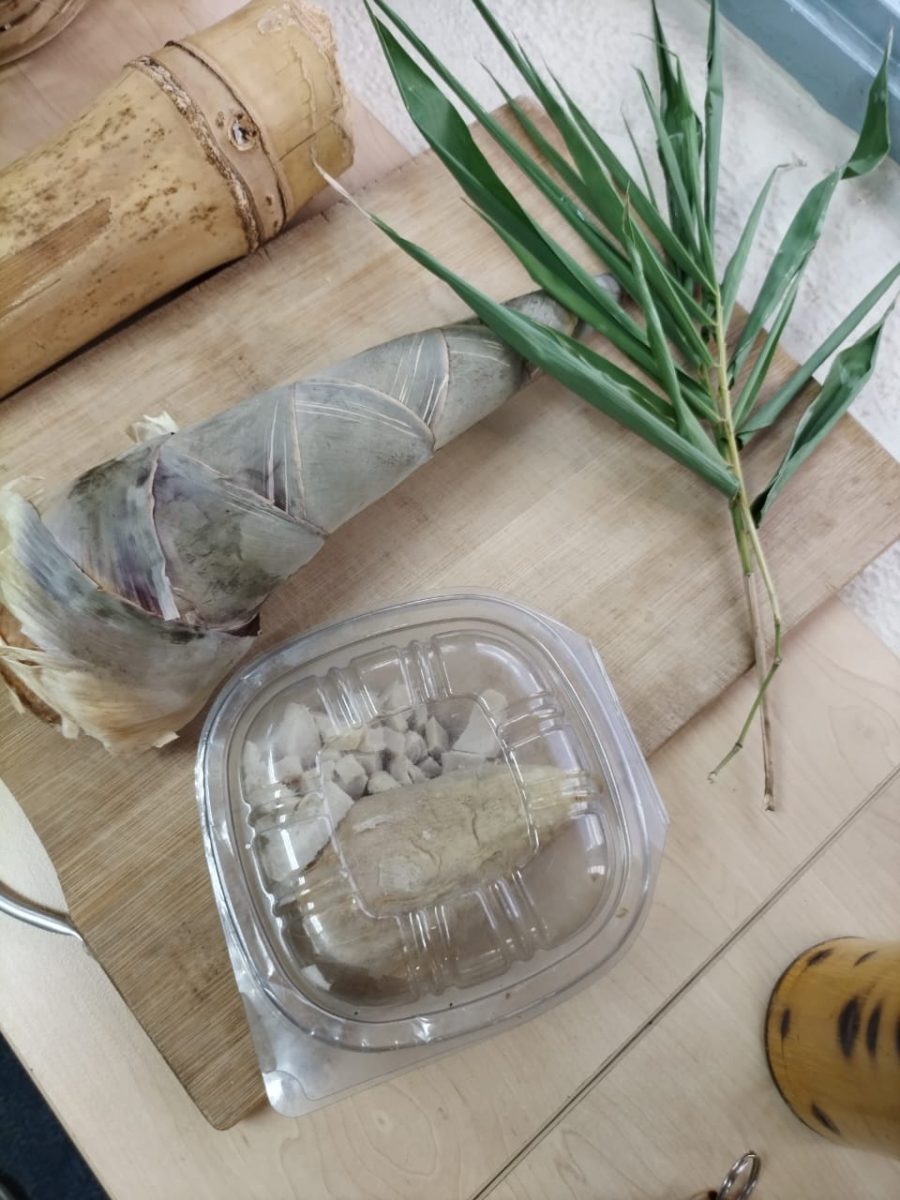
She also revealed that the Organisation for Women in International Trade, OWIT Eswatini Chapter, working with the Eswatini Women Agribusiness Development Forum, assisted bamboo farmers in initiating the formation of a national multi purpose cooperative. The structure is expected to unite farmers across the country and strengthen their bargaining power and market coordination.
Technical challenges, however, remain a major concern.
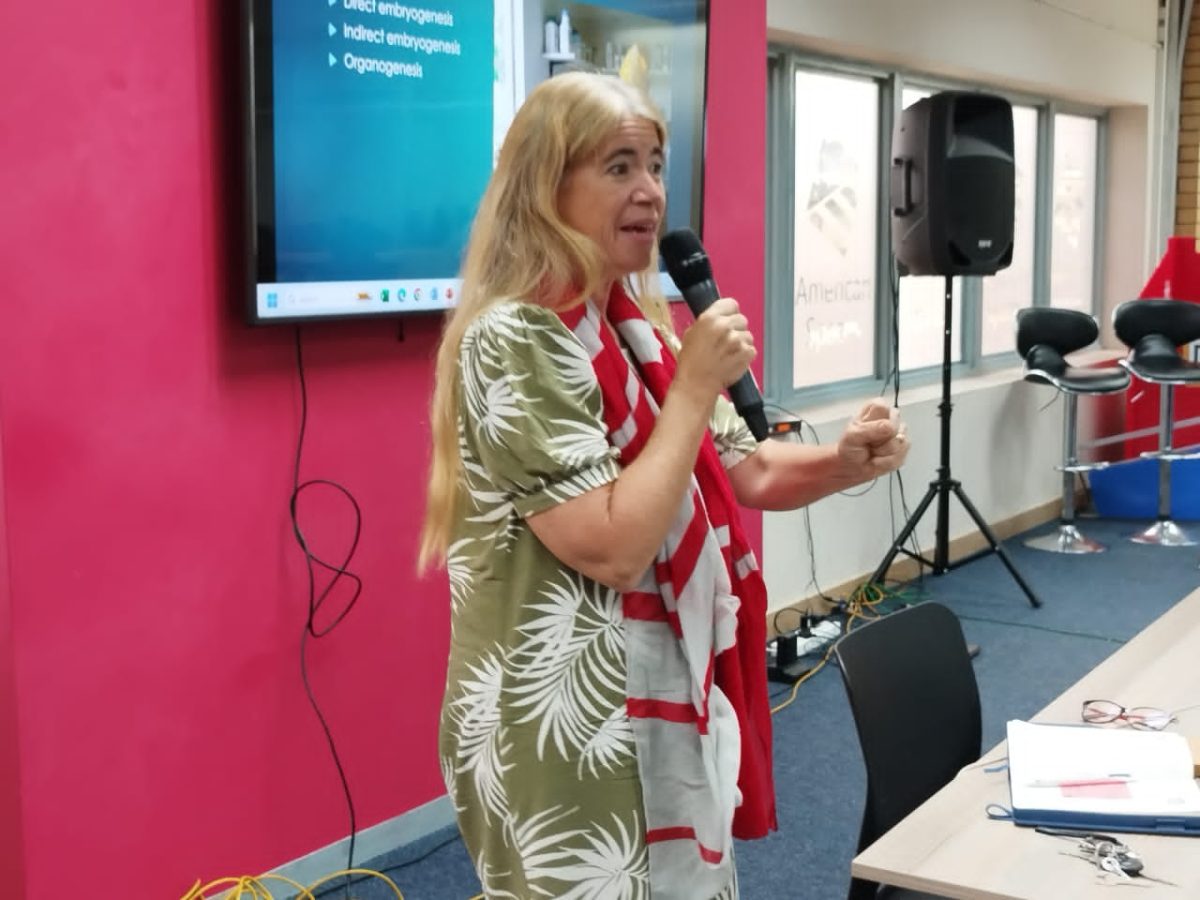
Agricultural specialist Dr Michelle McCubbin presented research on bamboo propagation through tissue culture, describing it as a critical method to strengthen seedling supply. She explained that bamboo flowers only once every 50 to 100 years, after which the plant produces seeds and eventually dies, making natural propagation unreliable.
Dr McCubbin said tissue culture allows mass multiplication of bamboo seedlings but requires significant financial investment and large scale production orders to become viable.
Based in Nhlangano, she also highlighted her youth empowerment work through STREAK College, which equips young people with skills in solar installation, biomass energy, and sustainable resource utilisation.
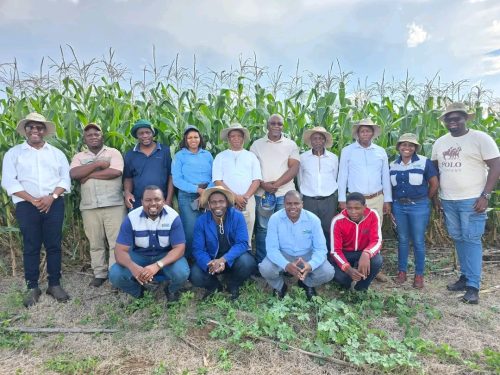
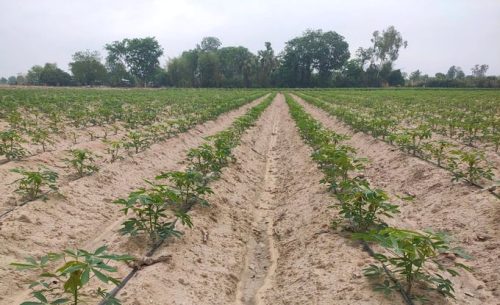
Farmers attending the forum said they have struggled with bamboo propagation, particularly during nursery stages where seedlings often fail due to limited technical knowledge. Many welcomed tissue culture as a promising solution to improve survival rates and commercial production.
Stakeholders further highlighted bamboo’s environmental value, noting its ability to control soil erosion, rehabilitate degraded land, and prevent the expansion of dongas in vulnerable communities.
Prof. Dlamini said Eswatini is well positioned to develop a competitive bamboo industry if farmers, researchers, and policymakers strengthen collaboration, training, and market development.
He said bamboo presents an opportunity to merge environmental conservation with economic growth, adding that with sustained investment and coordinated planning, the crop could become a key pillar of Eswatini’s green agricultural economy.