BY SIBUSISO MNGADI
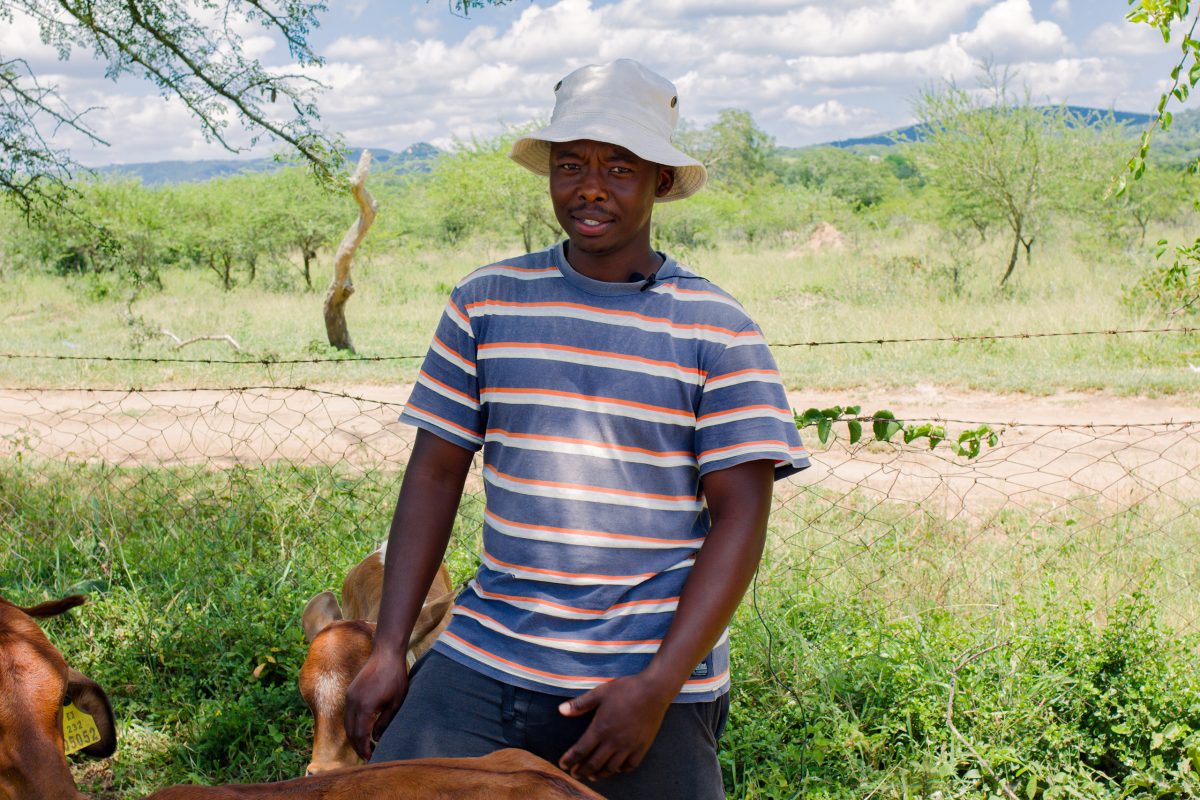
MALINDZA – In Eswatini’s Lowveld, dairy farming is not simply “keeping cows”. It is a disciplined livestock enterprise built on heifer management, controlled breeding, balanced rations, parasite control, hygiene, and market planning. For Melusi Dlamini of Malindza, understanding these fundamentals has been the difference between a survival hustle and a growing business that turns litres into livelihoods.
His story is unfolding in a national dairy market that still leans heavily on imports. Milk demand in Eswatini is estimated at about 88 million litres per year, while local production is about 22 million litres—leaving a gap of roughly 66 million litres that must be imported. A recent sector review also estimates per-capita dairy consumption at about 90 litres a year, with total consumption at around 88.4 million litres (liquid milk equivalents) in 2020, and the dairy sector valued at over SZL 915 million, supporting more than 1,800 jobs.
The import picture is equally telling. In October 2025 alone, Eswatini Dairy Board Dairy Import Statistics (Jan–Oct 2025) show Eswatini brought in about 2,700,133.5 (Kg/L) of dairy and dairy-related products (the dataset records volumes in Kg/L). UHT milk dominated at 1,123,892 (Kg/L)—about 42% of October’s total—followed by yoghurt (503,526), margarine (425,310), whey powder (149,050), creamers (116,360) and emasi (91,839). From January to October 2025, total recorded imports reached about 23,695,371.585 (Kg/L), led by UHT milk (9,223,128.2), yoghurt (4,326,193), margarine (3,960,014.77), pasteurised milk – bulk (1,587,200) and emasi (1,265,112).
For small producers trying to grow consistent output, those numbers translate into a clear message: the market is there—what matters is structure.
From teaching to dairy: why knowledge matters
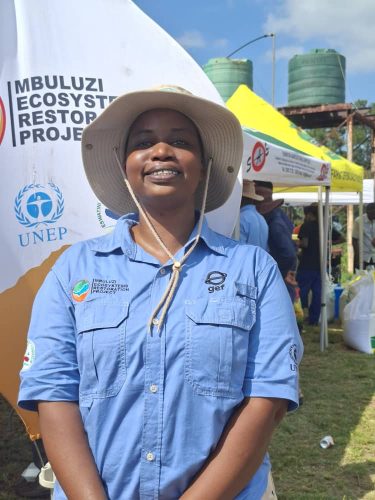
Melusi is a trained teacher by qualification, but a dairy farmer by circumstance and choice. He grew up in Malindza, attended Malindza Primary and High School, and later enrolled at William Pitcher Teacher Training College in 2016 to pursue a Primary Teachers Diploma, which he completed in 2019. As hiring delays and unemployment persisted, he sought a reliable income stream elsewhere and returned to what he already knew: livestock.
“I trained as a teacher, but while waiting for employment I had to find something that can feed me. Dairy was the closest business to what I already understood at home,” Melusi said.
He chose dairy because it was familiar—shaped by his father’s experience and inspired by other farmers in Malindza. Over time, he strengthened his technical base through training offered through the Eswatini Dairy Board, including dairy production management and artificial insemination (AI). He also visited other farmers to learn practical routines and troubleshoot common constraints.
Herd structure: heifers, breeding plans, and replacements
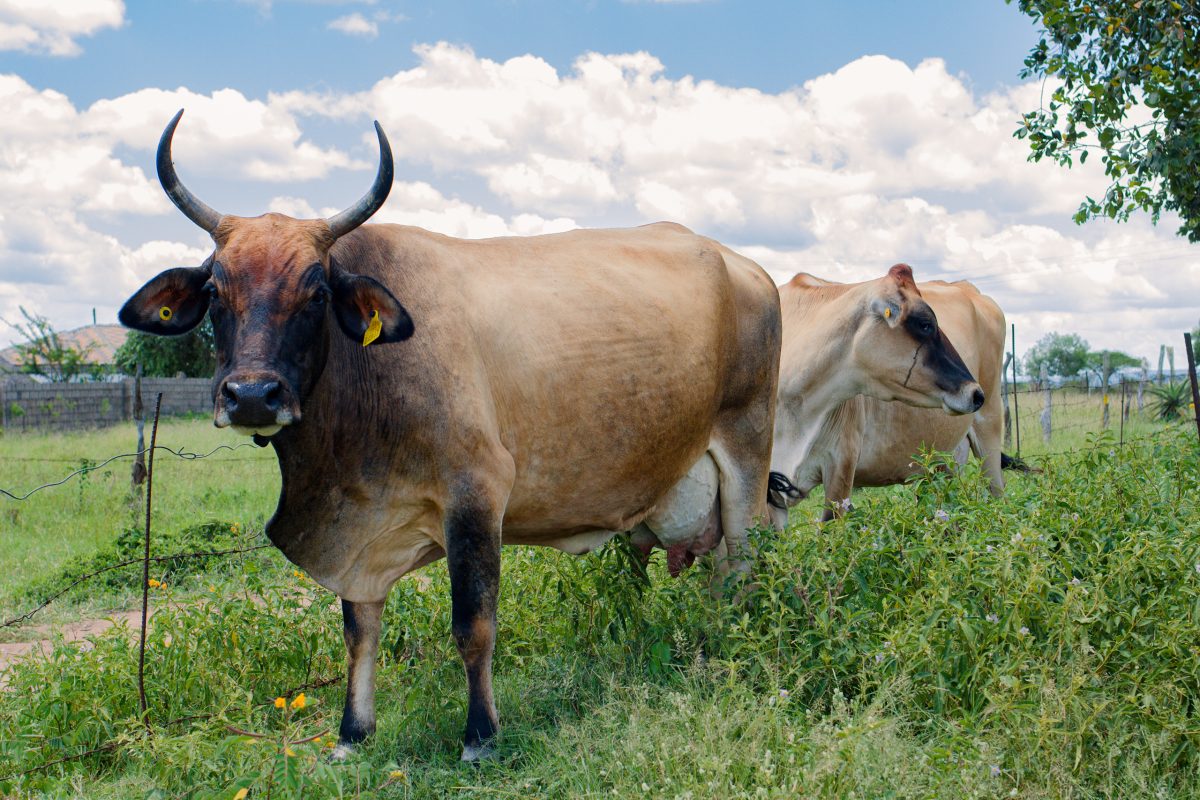
Melusi is building his unit around heifer development—the foundation of any future milking herd. He currently has six heifers selected for dairy potential. Of these, he reports that two are confirmed in-calf, two are replacement heifers still maturing, and two are planned for artificial insemination toward the end of this year or early next year.
In dairy terms, his approach reflects a core principle: build a pipeline—animals coming into production, animals in-calf, and animals growing into future breeders. Without this pipeline, milk supply becomes irregular and expansion stalls.
“My focus is building the heifer pipeline. If you don’t have replacements coming, you can’t grow—you just stay stuck at the same level,” he said.
Infrastructure and extension support: the basics many farmers skip
Melusi says new entrants often underestimate the importance of infrastructure. He advises farmers to consult extension officers early—particularly on housing and handling facilities—and to establish a functional milking parlour designed for hygiene, routine, and animal comfort. He also notes that dairy management differs from beef systems in practical ways, including parasite control and animal movement.
Parasite control: why his dairy cattle don’t go to communal dips
Unlike many beef cattle that walk to communal dipping points, Melusi says dairy animals often should not lose energy on long walks—especially when in lactation or close to production. High-producing animals need energy reserved for milk synthesis and body condition. To manage ticks, he uses a private dip tank, dipping weekly and applying tick grease, an ointment-based treatment. He prefers this approach because, during the rainy season, ointments are less likely to wash off than some spray-based applications, maintaining protection for longer.
“With dairy cows I can’t waste energy walking long distances to the dip tank. I dip here at home so the cows keep their strength for production,” he explained.
Feeding and rationing: forage, concentrates, and dry matter intake
Feeding is where many small dairies lose money—either by underfeeding, which reduces yield, or by feeding without a plan, which wastes inputs. Melusi bases his feeding on a common guideline that cows require about 3% of body weight in dry matter intake (DMI), adjusted according to production stage.
During the wet season and summer months, cows graze nutritious pasture and grass locally known as lubabe. During milking, he provides a dairy concentrate mixed with chop, usually in the morning and again in the afternoon, to support output. In the dry season, he shifts to conserved forage such as hay and supplements with chop mixed with fresh chicken litter, supported by molasses and adequate water. He notes that litter-based feeding must be carefully managed for hygiene and safety, with strict quality control and correct handling.
Milk output, calf rearing, and value addition
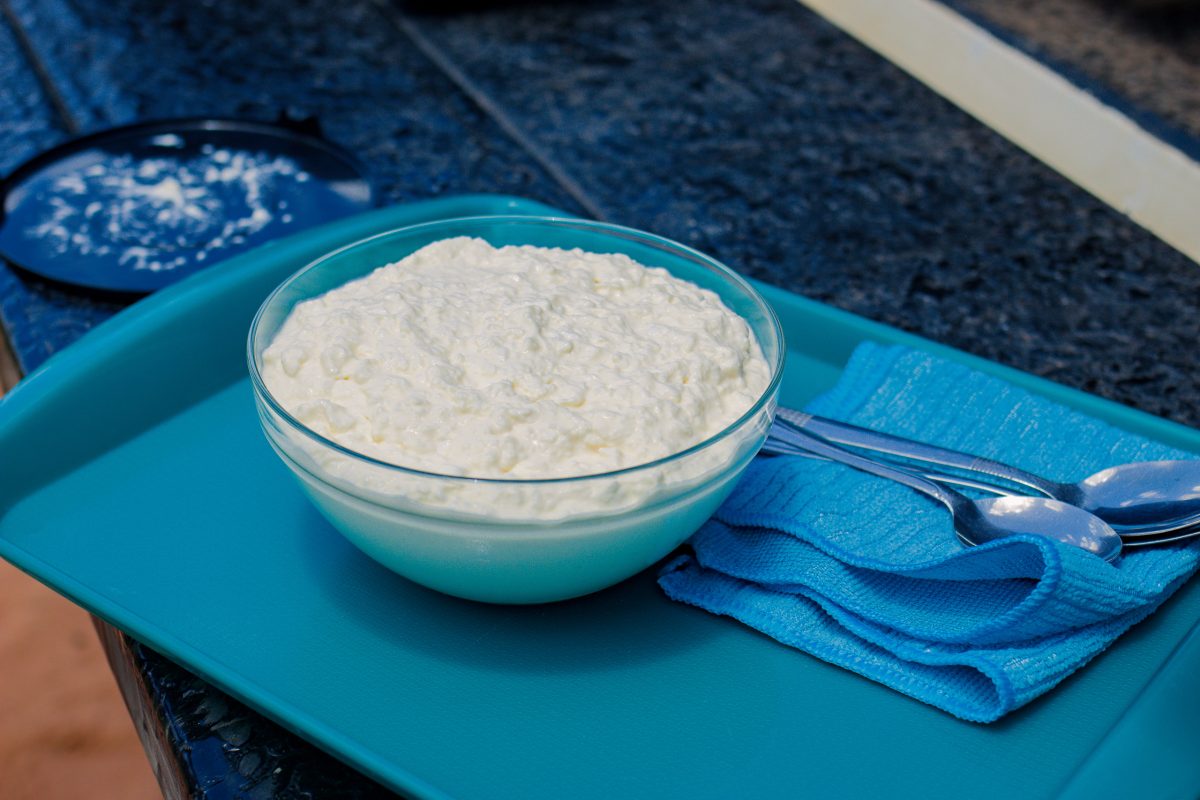
Melusi reports a daily output of 35–40 litres of milk. As with most small dairy units, this milk is divided between calf rearing—which secures replacement stock—and sales as either raw milk (lubisi) or fermented sour milk (emasi). He says emasi remains one of his strongest sellers, driven by steady consumer demand.
He has also built an additional income stream around calf rearing, where customers pay for milk used to raise young stock over roughly three months—commonly two litres in the morning and two litres in the afternoon. He cites a payment model of E72 per day, based on E18 per litre, with each calf drinking four litres per day.
Breed choice: why Jerseys work in Malindza
Melusi keeps Jersey cattle, which he says adapt well to Malindza’s heat and can graze effectively even when pasture is shorter. He contrasts this with larger-framed breeds such as Friesians, which generally require more abundant, high-quality forage to maintain strong yields. For small-scale systems operating under variable pasture conditions, breed suitability can determine whether feed costs remain manageable.
Financing growth: Youth Fund support and the cost of dairy animals
Melusi’s expansion has been supported by Youth Enterprise Revolving Fund (YERF) financing. He says the fund assisted him in 2023 with E30,000, when he had three dairy animals. A later injection of E50,000, combined with his own contribution, helped him expand and move closer to consistent production.
He estimates a dairy animal can cost E20,000–E25,000, noting that dairy stock is scarce and in high demand—an issue worsened by Foot-and-Mouth Disease (FMD) restrictions. For dairy farmers, he says the impacts go beyond sourcing animals, as transporting milk and value-added products like emasi becomes difficult when movement controls and checkpoints disrupt normal routes.
“FMD restrictions make everything harder—buying animals, moving products, even delivering to customers. It affects the whole plan,” he said.
Advice to young farmers: plan, apply, persist
For young people interested in farming, Melusi’s message is direct: don’t wait for perfect conditions. He encourages applicants for YERF to follow official channels, prepare a clear business plan, meet document requirements, and remain patient and persistent. He notes that applicants can apply as individuals, cooperatives, or companies—and urges young people not to give up easily.
What’s next: scaling into formal markets
Melusi’s long-term goal is to secure land for a mini commercial dairy farm, expand herd numbers, and supply larger markets, including supermarkets and processors. He believes demand remains strong and that dairy—when managed well—offers one of the most reliable markets in livestock production.
His story is not only about switching careers; it is a practical lesson in what makes dairy work: build your heifer pipeline, invest in basic infrastructure, protect animal health, feed for production, and add value where the market is strongest—especially in a country where the gap between demand and local supply remains wide.