BY: SIKHONA SIBANDZE | JOURNALIST
MANZINI — For years, Eswatini’s livestock economy has carried a quiet imbalance: women and young people often do much of the daily work, yet ownership and major household decisions around livestock frequently remain in men’s hands. A major European Union (EU)-supported initiative running from 2023 to June 2027 is now trying to shift that reality, by pairing technical livestock training with a deliberate push for women and youth to register animals in their own names, build enterprise skills, and participate confidently in more formal, trade-oriented markets.
Known as the Eswatini Livestock Value Chain Development Project (ELVCDP), the intervention is implemented by the International Trade Centre (ITC) in collaboration with the Ministry of Agriculture and partners including the Eswatini National Agricultural Union (ESNAU). The EU Delegation describes the programme as a EUR 8.25 million (about SZL 165 million) investment aimed at improving smallholder productivity, building more inclusive and transparent markets, and strengthening value addition and competitiveness for Micro, Small and Medium Enterprises (MSMEs) linked to beef, goats and related value chains.
Why “SheTrades” matters in a livestock project
While livestock programmes typically focus on production and market infrastructure, this one is also anchored within the SheTrades framework, ITC’s approach for mainstreaming women’s participation in trade and value chains. In Eswatini, SheTrades work has been used to identify barriers women face in business and trade and to push for practical changes that expand participation.
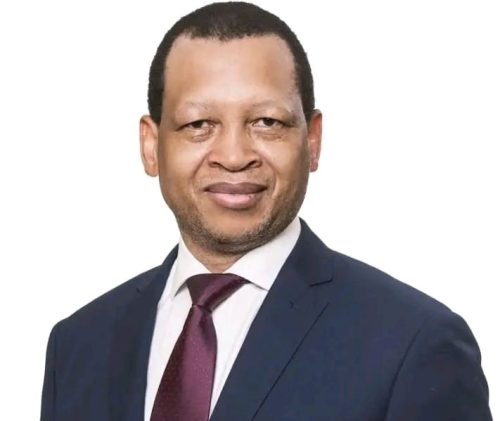
European Union programme officer, Bhekani Magongo says the initiative reflects the EU’s commitment to inclusive development in agriculture where women and young people play a central role in livestock, but have historically had limited access to ownership, skills development and market opportunities. He says the programme supports practical solutions that strengthen capacity, promote equal participation, and enable women and youth to become “confident owners and decision-makers” through skills, market readiness and value addition.
The imbalance the programme is trying to correct
ESNAU Capacity Development Manager, Nokuphila Sithole says the programme was informed by a pre-implementation study by ESNAU which found that men dominate the livestock value chain in part because key household decisions are commonly taken by men. The programme’s response is to promote independence and ownership, encouraging women and youth to register livestock under their own names, build confidence, and develop the competence to run livestock enterprises without relying on men to control essential decisions.
How the programme is structured on the ground
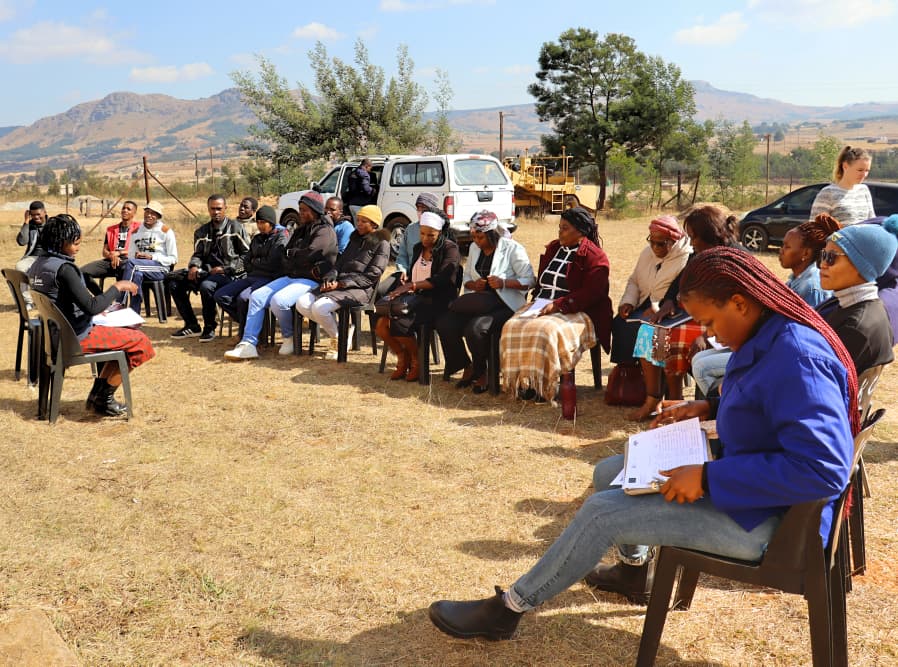
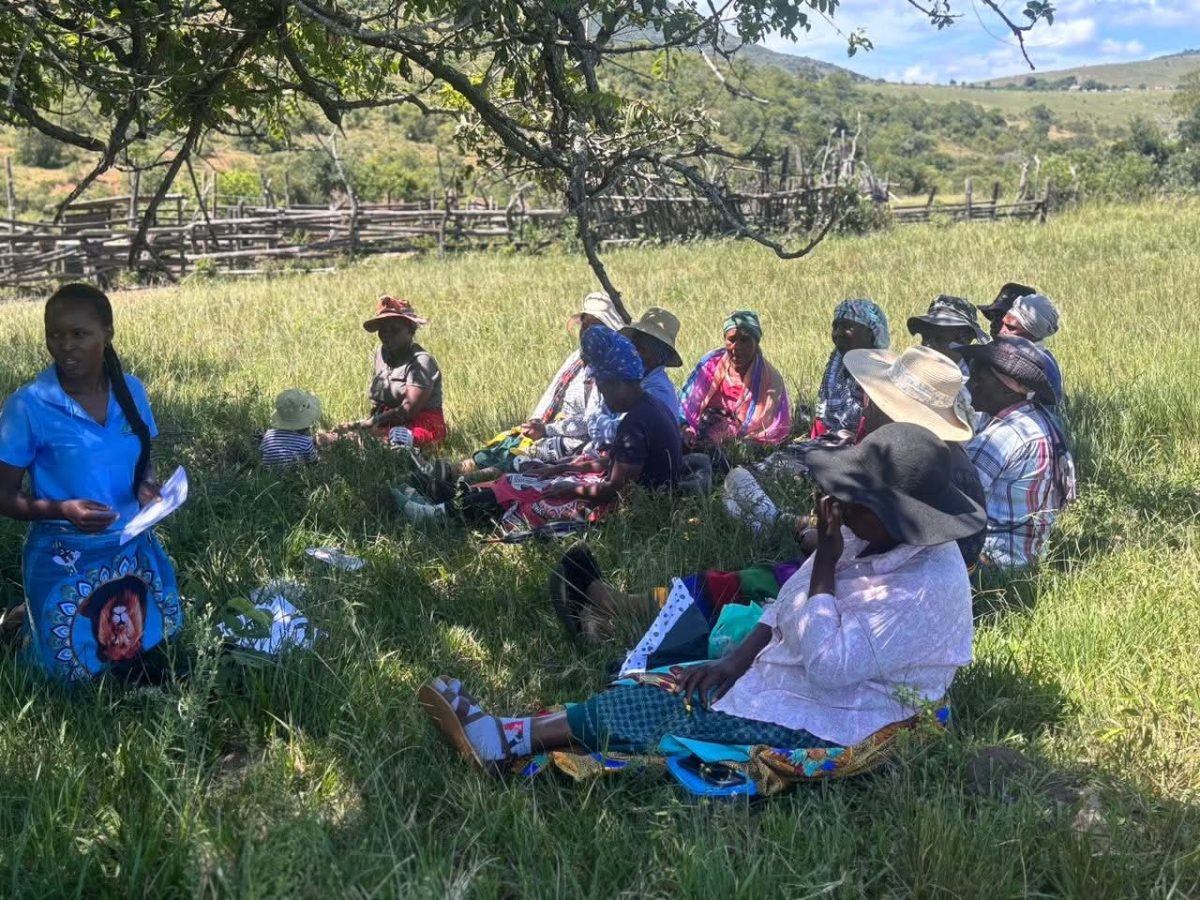
The capacity building is delivered primarily through community-level training, with Ministry of Agriculture extension officers deployed into selected areas to train farmer groups on livestock production, nutrition, record keeping and market readiness.
The EU Delegation lists four pilot chiefdoms, Gangakhulu (Lubombo), Mahlangatsha (Manzini), Zinyane (Hhohho), and Luhlekweni (Shiselweni), while also noting that some actions are designed to have nationwide reach, especially those targeting MSMEs and wider value-chain support. Within the programme’s project areas, beneficiaries are organised in groups and receive training and mentorship aimed at building trade-ready livestock enterprises. Training modules commonly include:
- Feed manufacturing and nutrition
- Bookkeeping and basic farming financial models
- Record keeping and farm data use
- Livestock management and productivity
- Marketing and market transparency
- Value addition and processing for sale
The programme focuses heavily on goats and cattle, while integrating gender inclusion across activities to prevent women and youth from being sidelined in ownership, skills development and income opportunities.
From fodder to enterprise: early practical interventions
A key pain point for many livestock farmers is feed, especially during dry spells. Programme partners have been investing in fodder systems that can reduce losses and create new local businesses. Ministry of Agriculture Range Management Officer, Thapelo Hlatjwako says the programme has already supported the establishment of fodder production enterprises, providing machinery used to manufacture bale fodder. In May 2025, for example, the EU and ITC handed over haymaking equipment worth E3.1 million (including round hay balers, mowers, rakes and loaders) to support fodder production and resilience in dry periods.
The bottlenecks the programme aims to close
According to Hlatjwako, the programme was shaped by stakeholder-identified gaps that limit livestock performance and farmer earnings, including:
- Limited knowledge of livestock nutrition
- Weak market transparency and inconsistent marketing systems
- Poor livestock management, leading to weak production outcomes
- Low-performing breeds and inferior genetics
- Limited access to finance, especially where farmers lack bank collateral
Some of these challenges are structural, not purely technical. Access to finance, for instance, is tied to asset ownership, documentation, and bank requirements, exactly why the programme’s push for women and youth to formalise ownership is treated as more than symbolism.
Value addition beyond selling live animals
Another major part of the programme is to expand rural incomes beyond “live animal” sales. Women and youth are being trained in meat processing for the market, enabling participation in formal and semi-formal trading channels. The programme also introduces leather tanning, aimed at converting cow skins into products such as bags and shoes, challenging the long-held assumption that skins are of little value and promoting fuller utilisation of each animal.
What success should look like by June 2027
Programme partners say their long-term vision is for livestock to contribute more meaningfully to socio-economic development, by improving production systems, building transparent markets and expanding value addition, while repositioning women and youth as owners and decision-makers rather than helpers on the sidelines. In practical terms, success will likely be measured by more women and youth holding registered livestock assets, stronger farm records and financial models, functioning fodder and baling systems, and more rural enterprises participating in meat and leather value chains..