
(COURTESY PHOTOS: NDMA)
BY SIBUSISIWE NDZIMANDZE | JOURNALIST
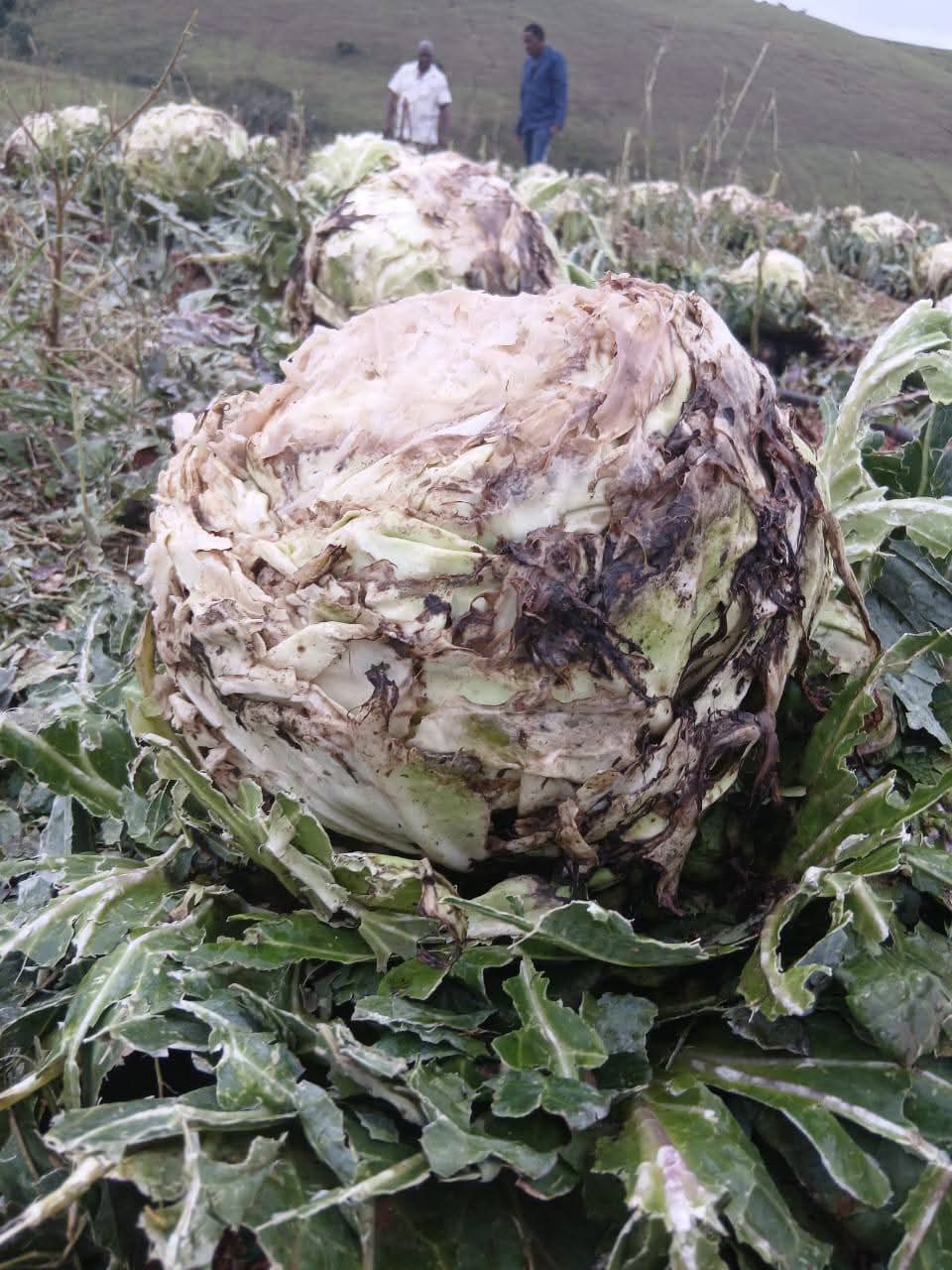
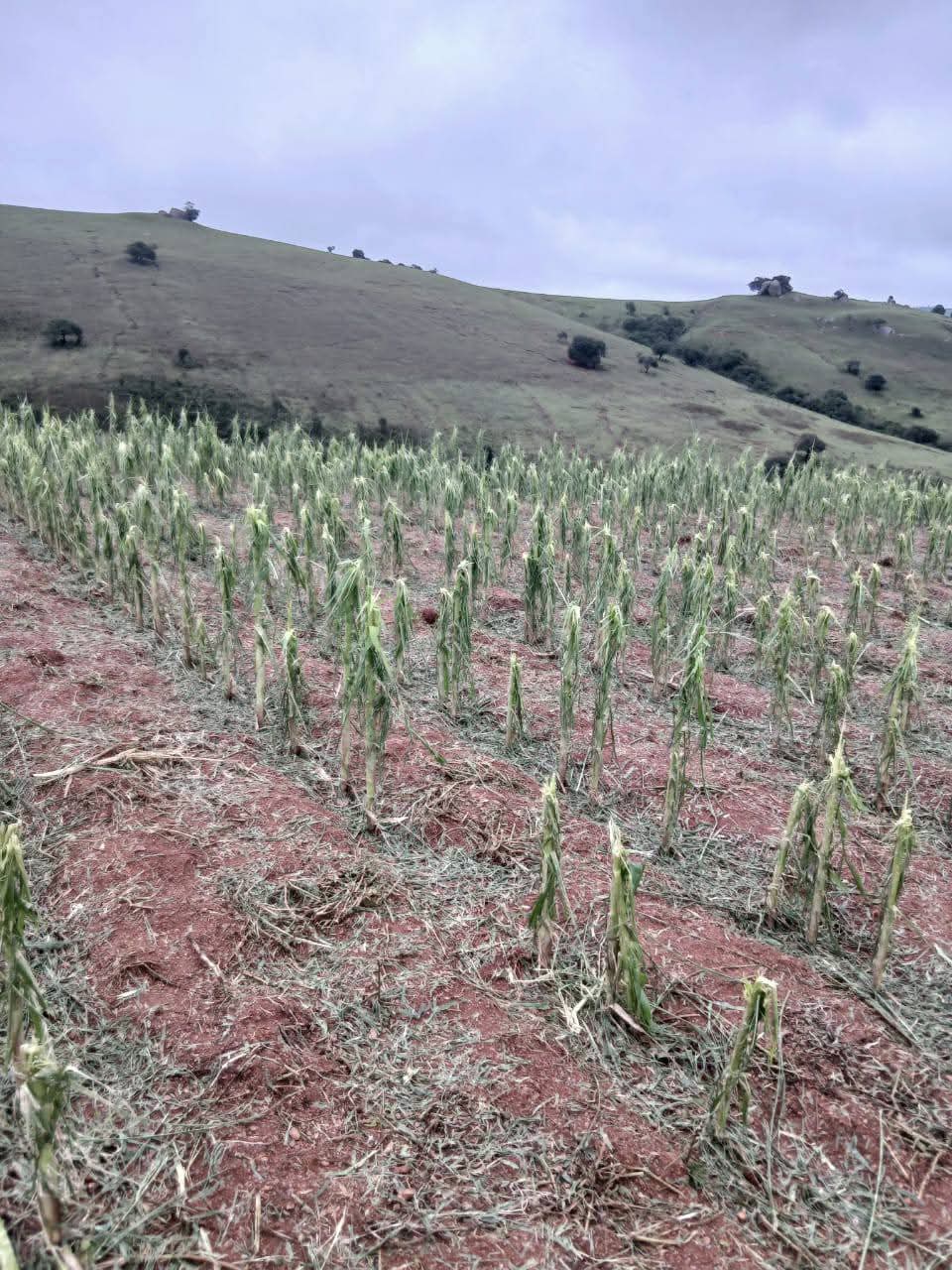
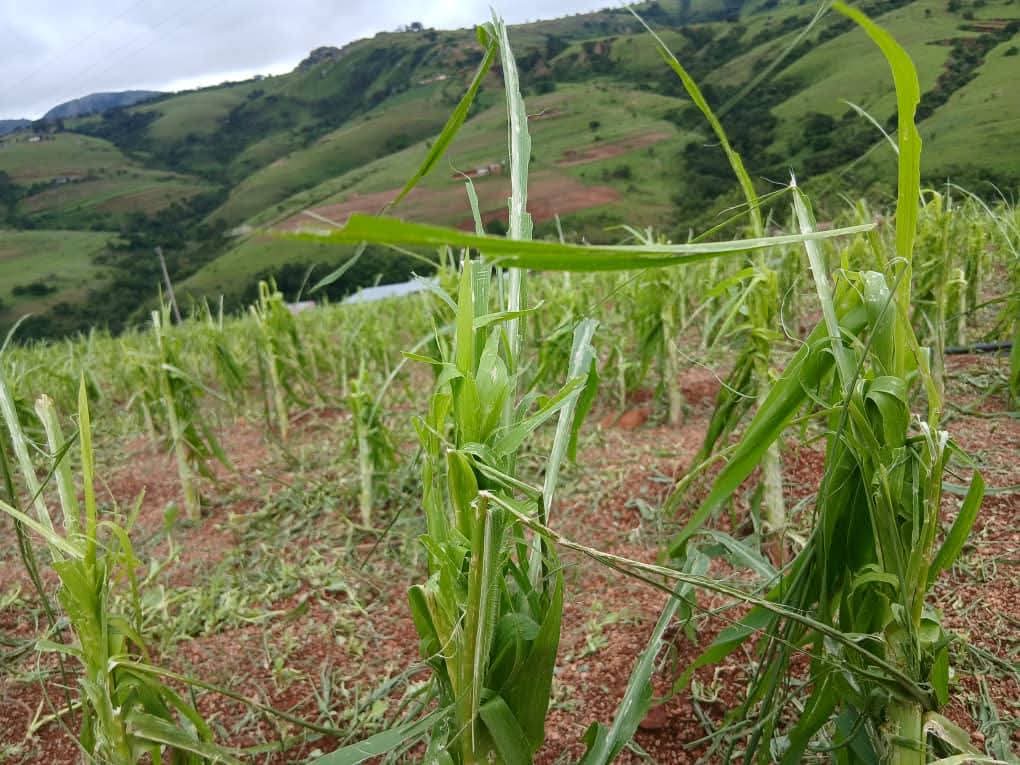
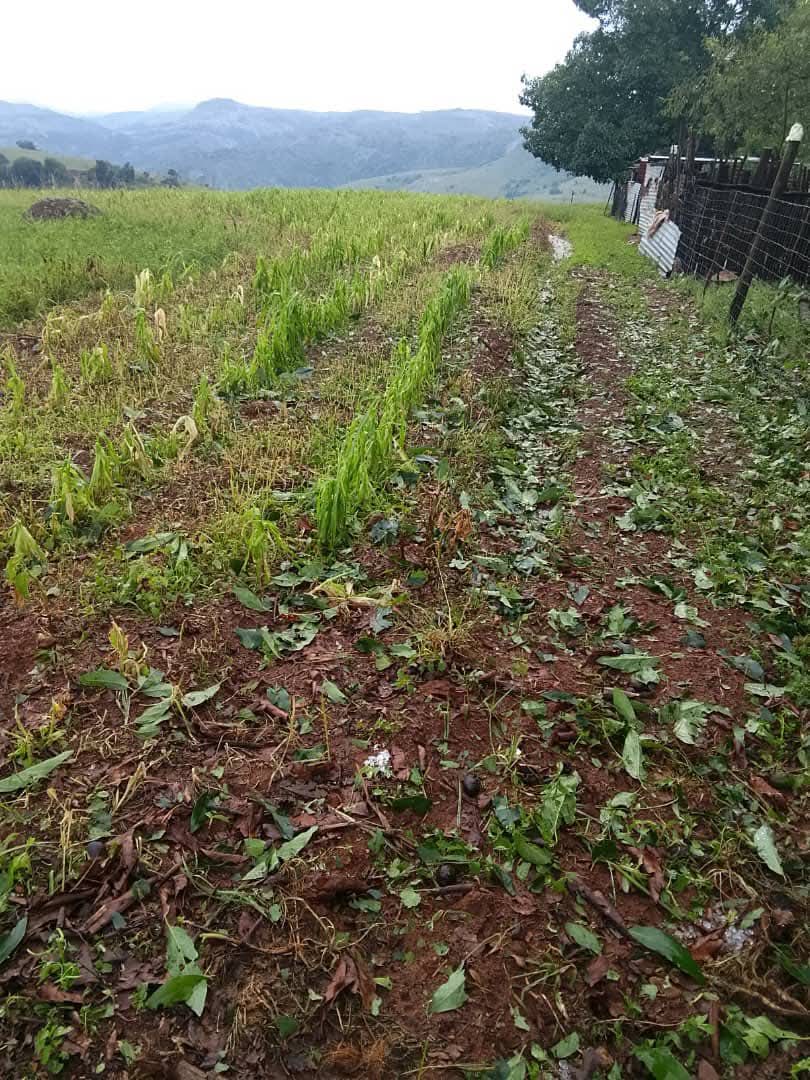
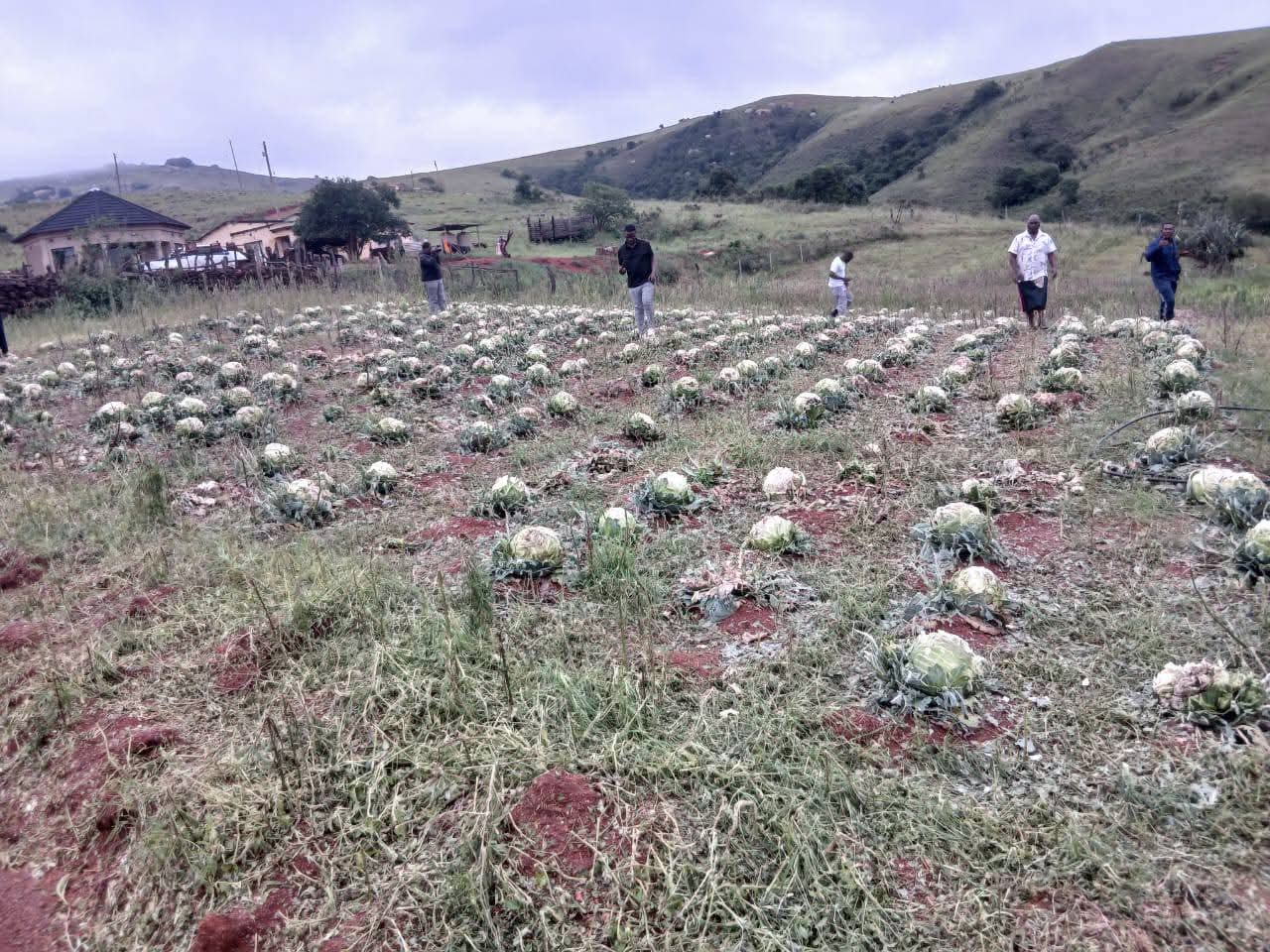
MAPHALALENI - A violent hailstorm has devastated farming communities in Maphalaleni and Nkhaba, crushing crops such as maize, and cabbages across more than 500 hectares of fields and leaving farmers facing heavy losses at the peak of the agricultural season. The storm struck with little warning, flattening crops that had taken months of labour, planning and financial sacrifice to establish.
The severe hailstorm caused widespread damage across the Maphalaleni and Nkhaba constituencies, affecting both agricultural production and surrounding rural communities. In Maphalaleni Inkhundla, the most affected areas include Maphalaleni and Dlozini chiefdoms, while in Nkhaba, damage was recorded in Jubukweni and Nkhaba chiefdoms.
For many smallholder farmers, the destruction represents more than a failed harvest, it is the collapse of an entire livelihood cycle. Households had invested every available cent into ploughing, fertiliser and tractor hire, often borrowing or pooling scarce resources in anticipation of a successful season. The maize crop, in particular, was expected to provide food security for the year while generating income to pay school fees and meet essential household needs.
“We put everything we had into the land,” one farmer said. “That maize was our food, our income and our plan for the year. Now the fields are gone, and we don’t know how to recover.”
The hailstorm also damaged maize and cabbages, crops that many families depend on for quick cash flow and daily subsistence. Their loss further tightens pressure on households that were already navigating rising input costs and uncertain weather patterns.
Confirming the scale of the destruction, Member of Parliament, Mabulala Maseko said the damage was widespread and cut across all major food crops in the affected areas.
“Maize, and cabbages have all been damaged,” Maseko said. “This is a serious setback for families who depend entirely on farming for survival and income.”
Preliminary assessments by the National Disaster Management Agency (NDMA) indicate that more than 500 hectares of maize fields were destroyed, with clear implications for household food security, agricultural incomes and local economic stability.
NDMA Chief Executive Officer Victor Mahlalela said beans have emerged as a key recovery crop for January planting, offering farmers a relatively fast-growing option to restore food supplies and generate income in the short term. Support for farmers wishing to replant maize will also be considered, depending on assessments and available resources.
He added that NDMA will engage the Ministry of Agriculture to coordinate support measures for affected farmers, including possible assistance to restart production.
The latest destruction follows a similar hailstorm incident recently recorded in Mayiwane, where agricultural fields were also damaged as young crops were shredded, heightening farmer anxiety over successive climate shocks within the same season.
As the rainy season continues, these back-to-back hailstorms underscore a growing reality for Eswatini’s farming communities: extreme weather events are no longer isolated occurrences, but an escalating threat reshaping the country’s agricultural landscape and testing the resilience of smallholder farmers.