
BY SIKHONA SIBANDZE - JOURNALIST
VELEZIZWENI - A determined community is witnessing the tangible benefits of strategic environmental action.
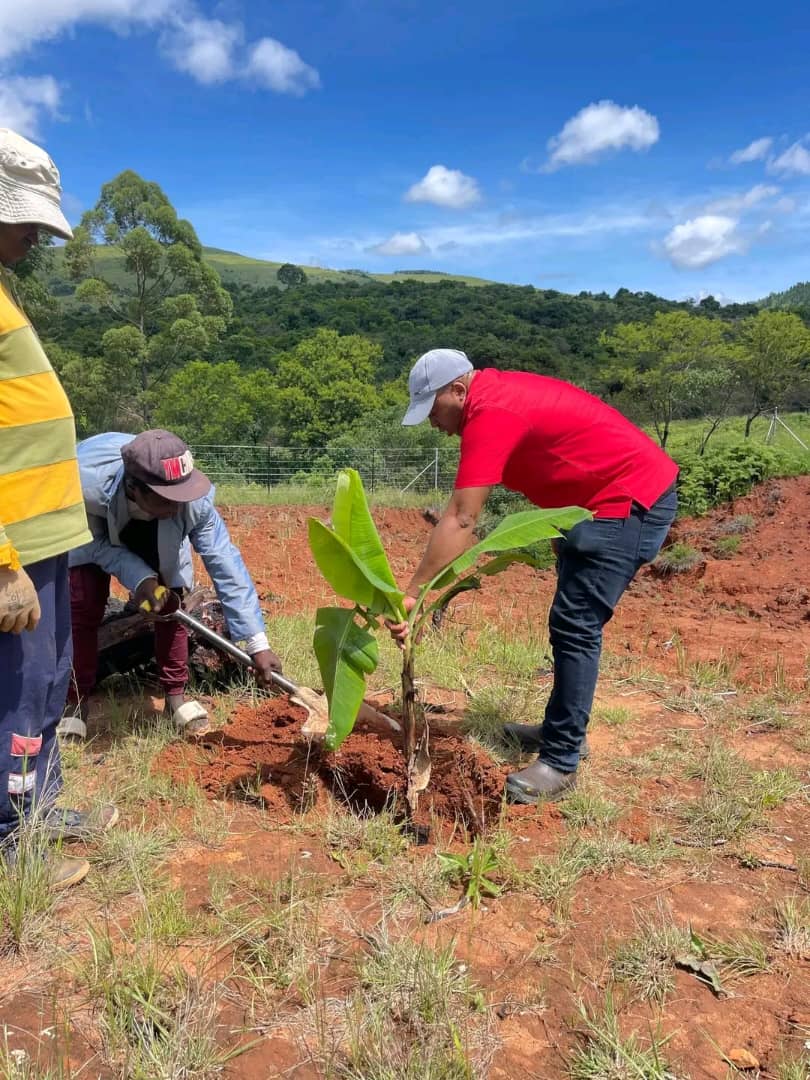
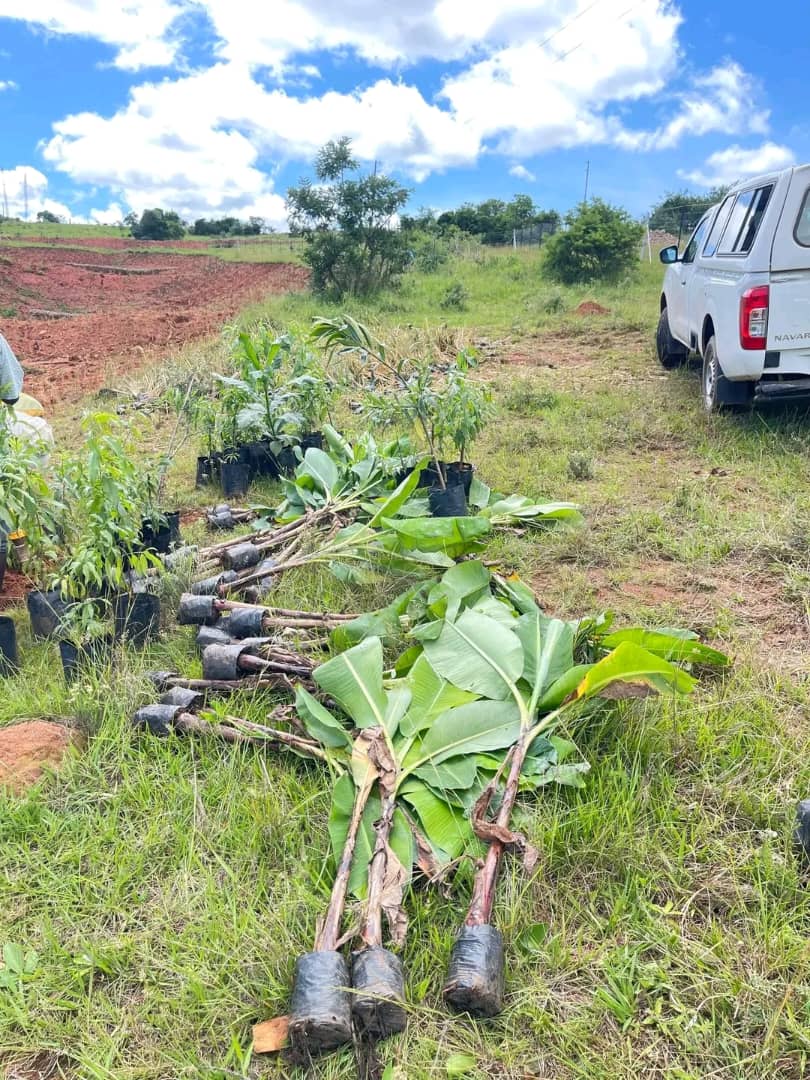
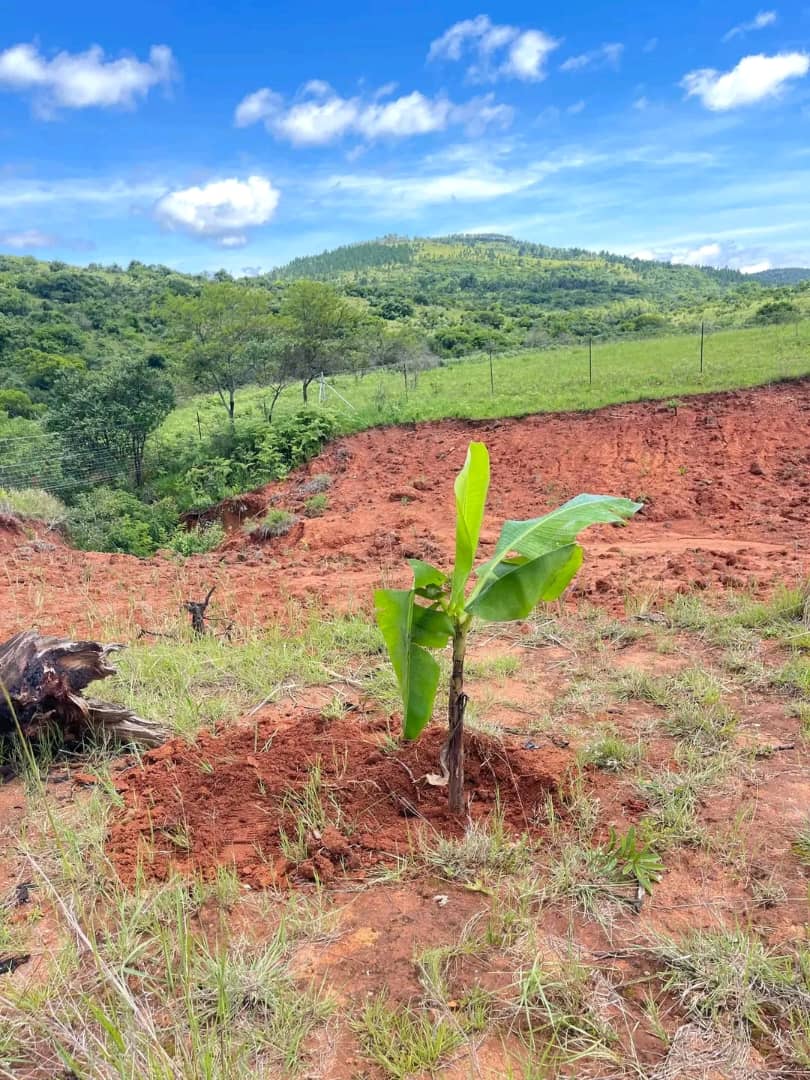
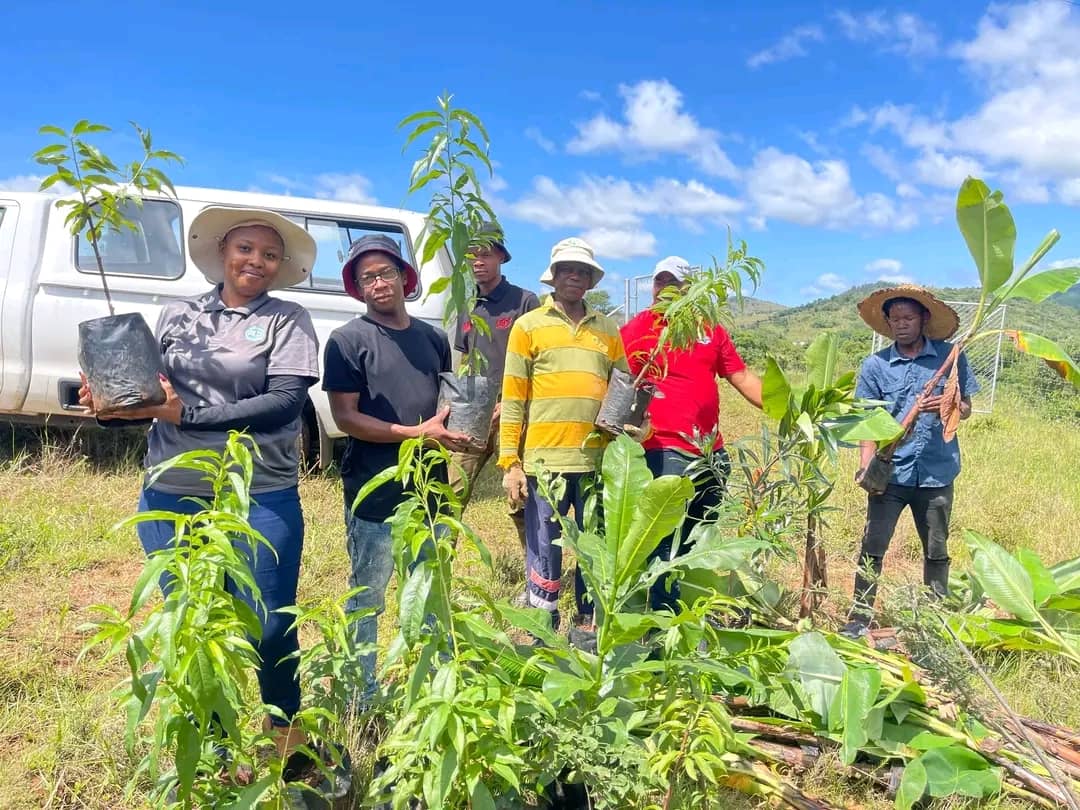
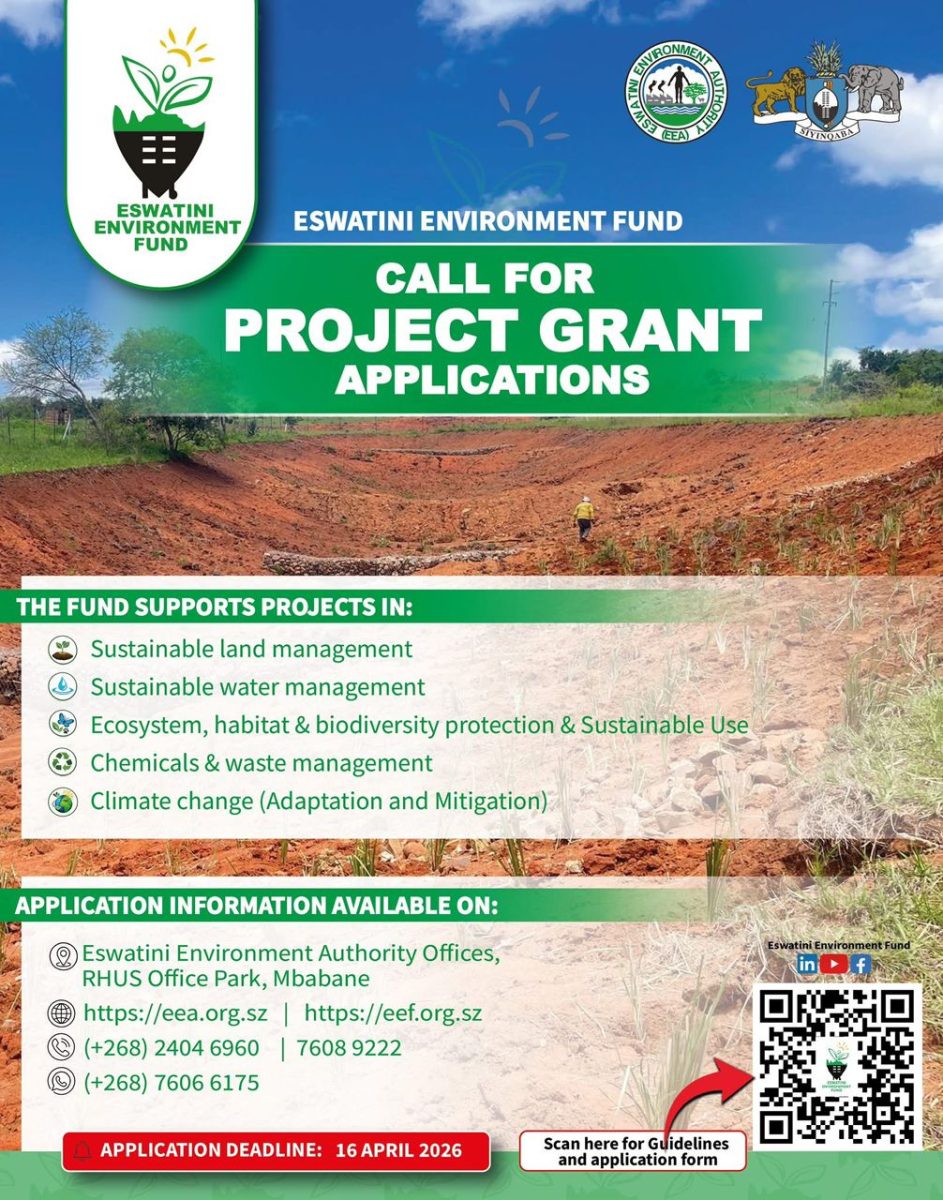
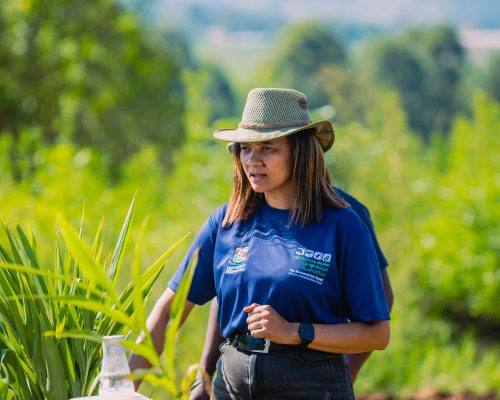
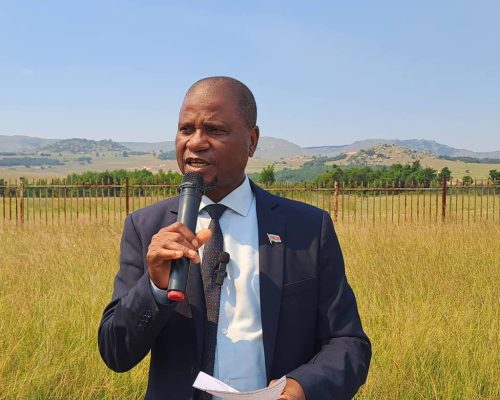
The Eastern and Southern Africa Small Scale Farmers Forum (ESAFF), in partnership with the Ministry of Tourism and Environmental Affairs’ Forestry Department, has donated 85 trees to the Donga Rehabilitation Project, supported by the Eswatini Environment Fund.
The donation includes banana trees, peach trees, and indigenous species, selected not only for their ecological value but also for their role in stabilising eroded gullies, known locally as dongas. Dongas—deep, often water-eroded channels—pose a major challenge to Eswatini’s agricultural landscape. Left unchecked, they accelerate soil degradation, reduce arable land, and threaten local food security. By planting trees along these vulnerable areas, the project aims to restore soil structure, prevent further erosion, and enhance water retention, creating a healthier foundation for farming.
Beyond the environmental benefits, the initiative has clear socio-economic implications. The fruit-bearing trees will generate sustainable livelihoods, providing both food and potential income for households in Velezizweni. By linking land restoration to agricultural productivity, the project exemplifies how ecological interventions can simultaneously support local economies.
ESAFF representatives highlighted the importance of collaboration: “Combining local knowledge with government support and targeted investment shows that meaningful land rehabilitation is achievable, and that it directly strengthens the agricultural sector by safeguarding soil and enhancing yields.”
For Eswatini’s small-scale farmers, initiatives like the Donga Rehabilitation Project are critical. Soil degradation has long constrained productivity, forcing many farmers to contend with declining yields and erratic water supply. Rehabilitating dongas restores vital land resources, ensuring that communities can cultivate crops more effectively, diversify production, and build resilience against climate variability.
These 85 trees represent more than a simple reforestation effort; they signal renewed hope, environmental stewardship, and a future where community-led restoration efforts translate into tangible gains for both nature and agriculture.