


BY PHESHEYA KUNENE - EDITOR
MANZINI – As climate shocks intensify, the Food and Agriculture Organization has begun shifting Eswatini’s agricultural response from emergency relief to structured investment, with 36 climate smart shade net structures planned nationwide and delivery already underway.
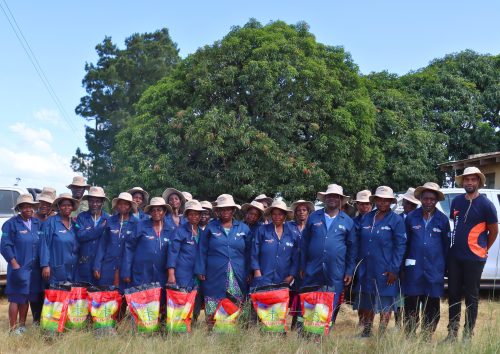
The programme is already benefiting hundreds of youth groups, elderly farmers and small scale producers across the country through protected agriculture and targeted technical support.
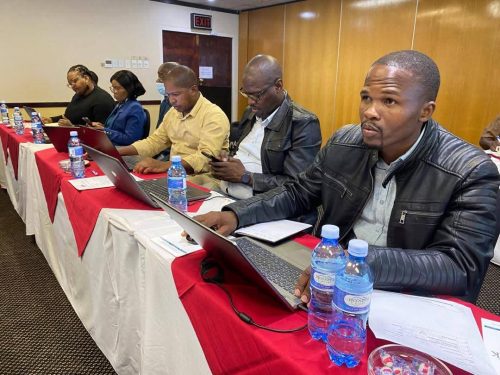
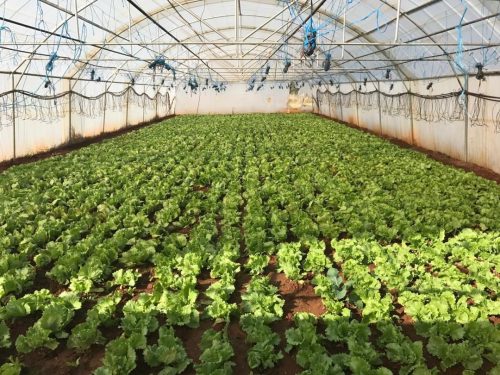
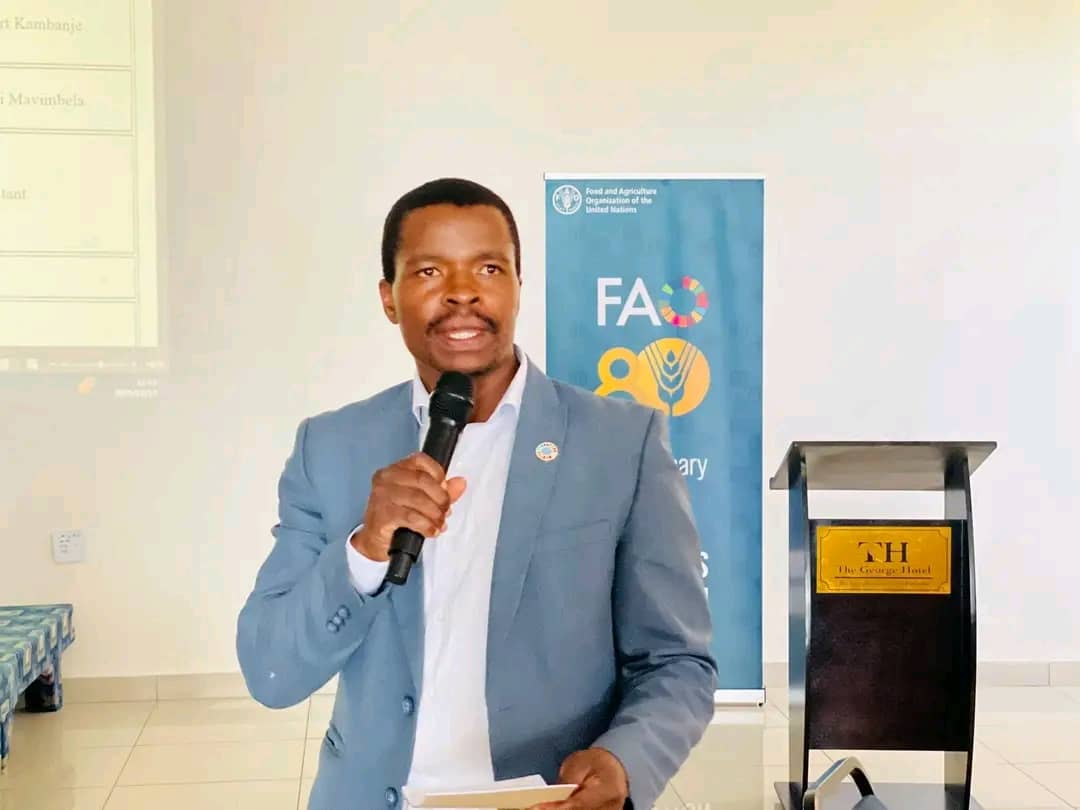
FAO Eswatini Assistant Representative, Howard Mbuyisa, told stakeholders at a consultative workshop at the George Hotel in Manzini that the project focuses on constructing 2,000 square metre climate smart shade net structures designed to support year round production while shielding crops from hailstorms, excessive heat, pests, birds and erratic rainfall.
He said the programme targets 40 communities, with 36 shade nets planned across the country. To date, 11 structures have been completed, with seven already fully operational, while the remaining sites are at various stages of assessment, construction and farmer training.
“These shade nets are not stand alone installations,” Mbuyisa said. “They are part of a broader package that includes climate smart farming tools, improved production methods and continuous technical assistance.”
Under the programme, beneficiary farmers receive training in crop selection, water efficient irrigation, soil management, pest control and post harvest handling. Extension teams continue to support farmers on site, ensuring the structures translate into improved productivity rather than underutilised assets.
The beneficiaries include elderly farmers who had scaled down production due to repeated climate related losses, youth led multi purpose cooperatives seeking reliable income streams, and small scale producers transitioning from open field farming to protected cultivation.
At household level, the impact is already visible. Temalangeni Dlamini said the shade net she received transformed both her farming output and her personal circumstances.
She said the protected environment improved crop quality, reduced losses and removed the constant uncertainty caused by unpredictable weather. The stability, she added, enabled her to return to school and complete her studies.
“I now produce consistently and plan ahead,” she said. “The weather no longer controls my livelihood.”
From a sector perspective, the shade net intervention addresses one of Eswatini’s long standing agricultural constraints, low resilience among small scale producers. Protected cultivation improves yield stability, reduces seasonal income shocks and strengthens local food supply, particularly for vegetables.
Ministry of Agriculture Principal Secretary Sydney Simelane welcomed the progress, describing the FAO programme as aligned with national priorities on food security, youth empowerment and climate resilience.
He encouraged stakeholders to engage with FAO, saying government remains fully supportive and encouraged by the quality and pace of implementation.
The progress update was shared alongside the Consultative Workshop for the Development of Eswatini’s Country Programming Framework CPF 2026 to 2030, jointly convened by FAO and the Ministry of Agriculture in Manzini.
The two day workshop brought together government ministries, development partners, civil society and the private sector to review agrifood system challenges, validate FAO’s added value and define priority outcomes for the next programming cycle.
Discussions focused on sustainable production, climate resilience, food and nutrition security, inclusive governance and natural resource management. Stakeholders also emphasised the need to strengthen producer aggregation, improve access to finance and markets, and expand value addition, particularly for women and youth.
Inputs from the consultation will inform an evidence based CPF aligned with FAO’s Strategic Framework 2022 to 2031, the United Nations Sustainable Development Cooperation Framework 2026 to 2030 and the 2030 Agenda for Sustainable Development, including flagship initiatives such as Hand in Hand and the Digital Village Initiative.
As the programme expands, its long term value lies in more than the number of structures erected. It signals a deliberate shift towards climate resilient agriculture, where investment, skills and infrastructure combine to turn vulnerability into productivity.
For Eswatini’s farmers, the shade nets are not just protection from the weather. They are a pathway to stability, income security and a more resilient agrifood system.