
BY PHESHEYA KUNENE - EDITOR
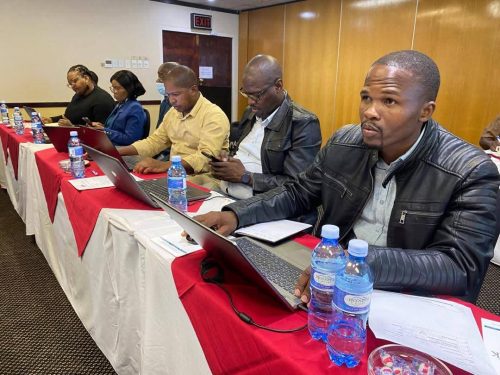
MANZINI - For Eswatini’s agricultural sector, the consultative workshop convened in Manzini this week was not about drafting another policy framework, but about correcting structural weaknesses that continue to limit productivity, youth participation and climate resilience.
At the centre of the discussions was how the next Country Programming Framework (CPF) 2026–2030 can turn agriculture into a more viable, market-driven and climate-smart economic sector.
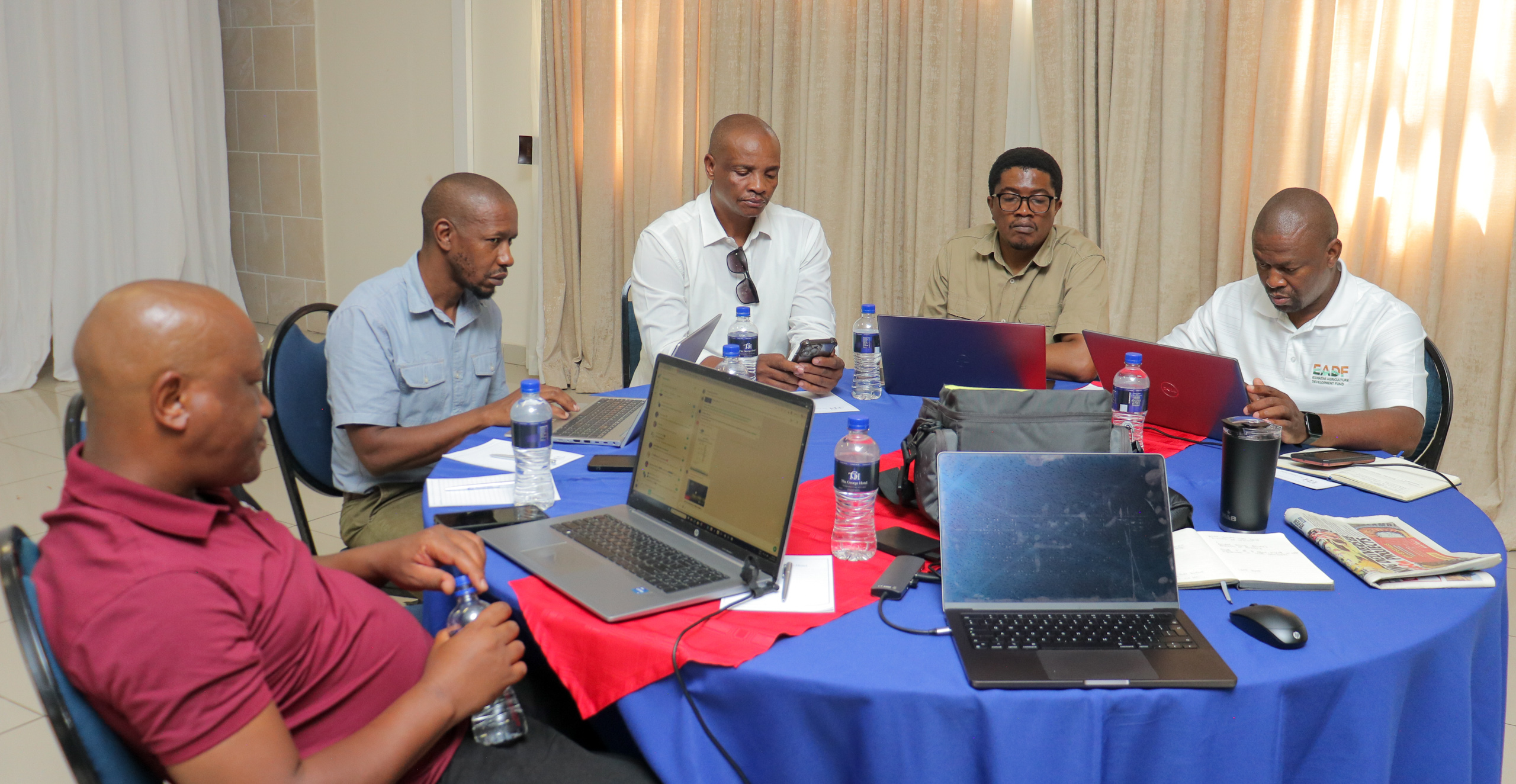
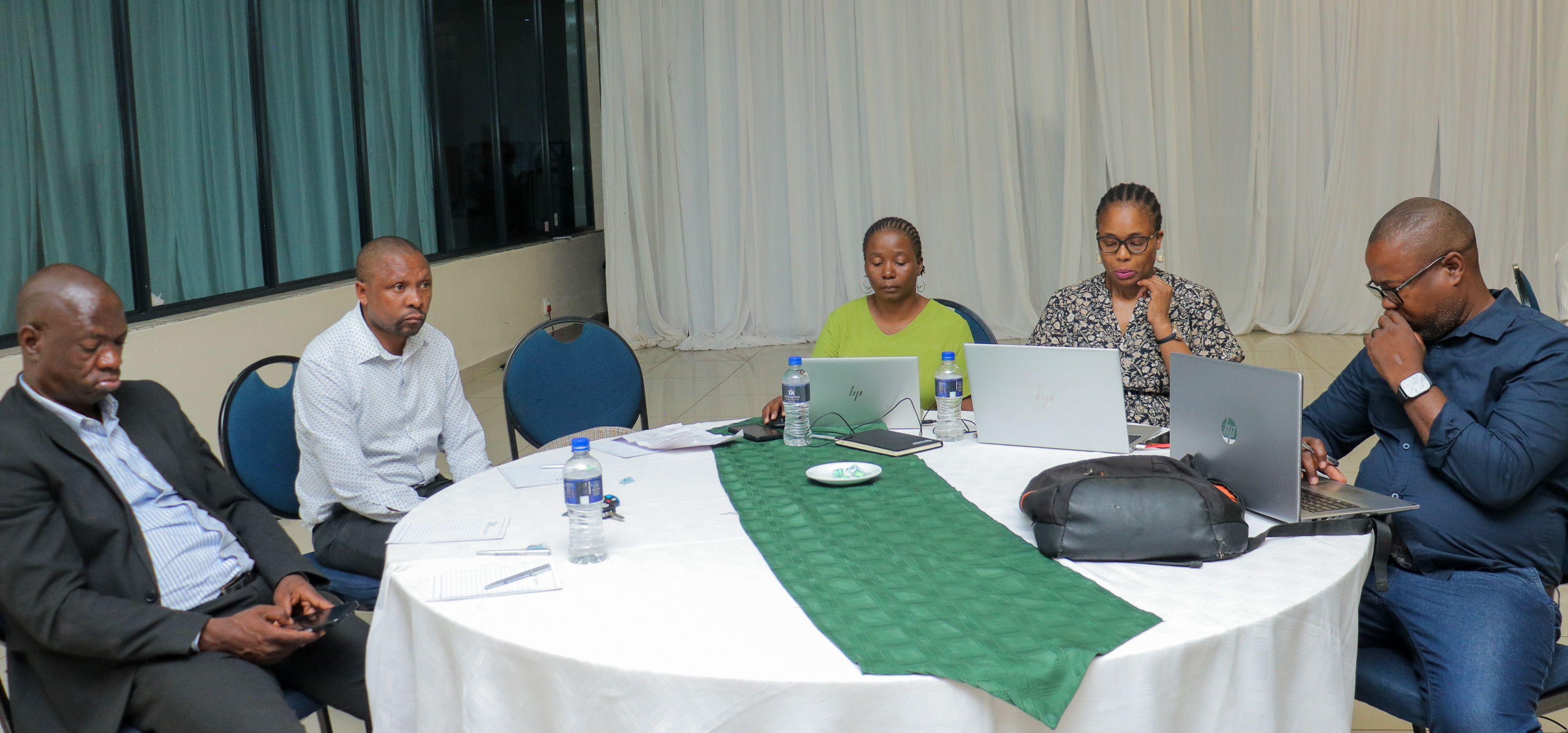
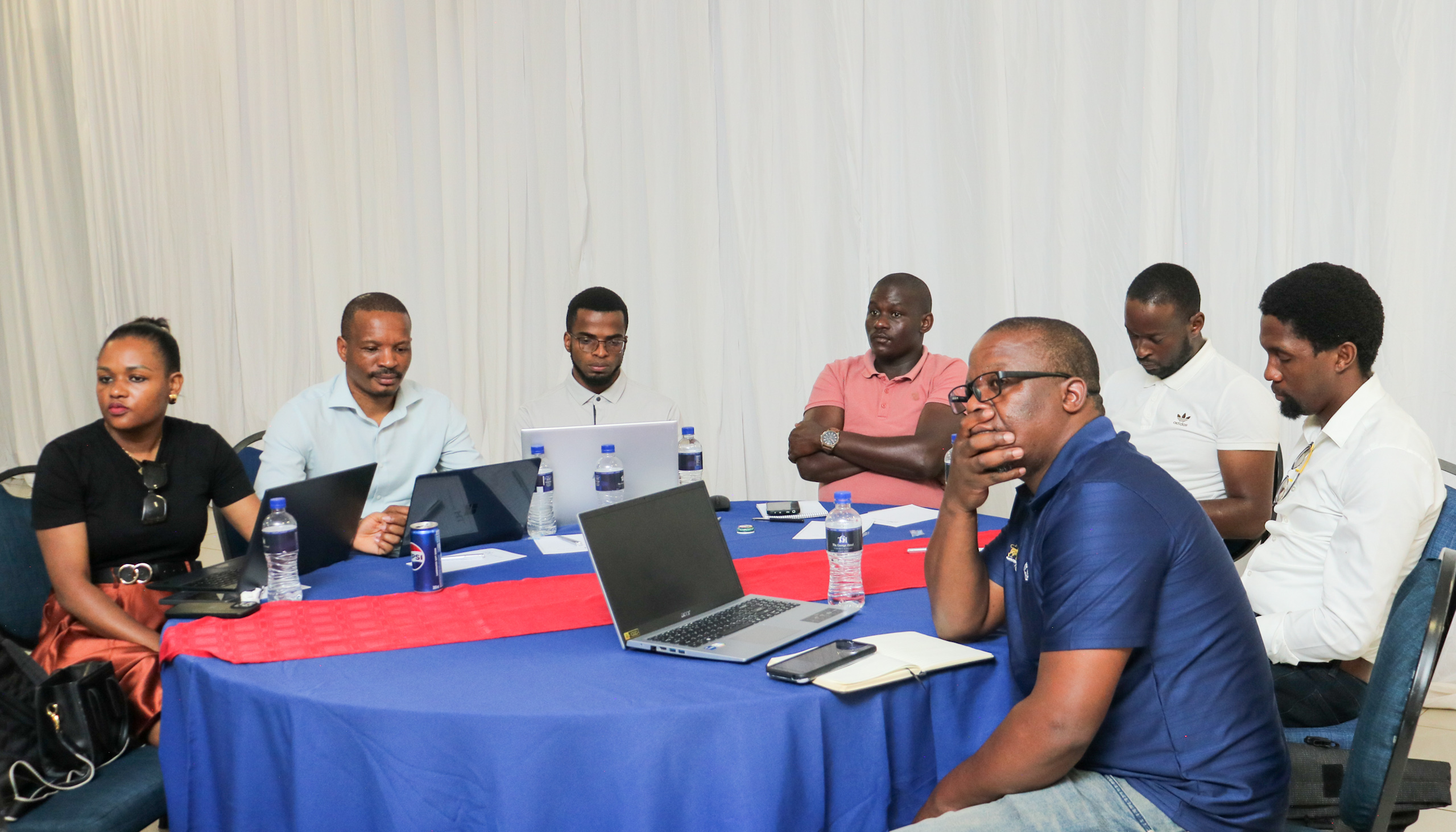
The Food and Agriculture Organization of the United Nations (FAO), working with the Government of Eswatini, brought together public institutions, the private sector, farmer organisations and development partners to interrogate what has worked, what has stalled and what must change if agriculture is to deliver jobs, food security and sustainable growth.
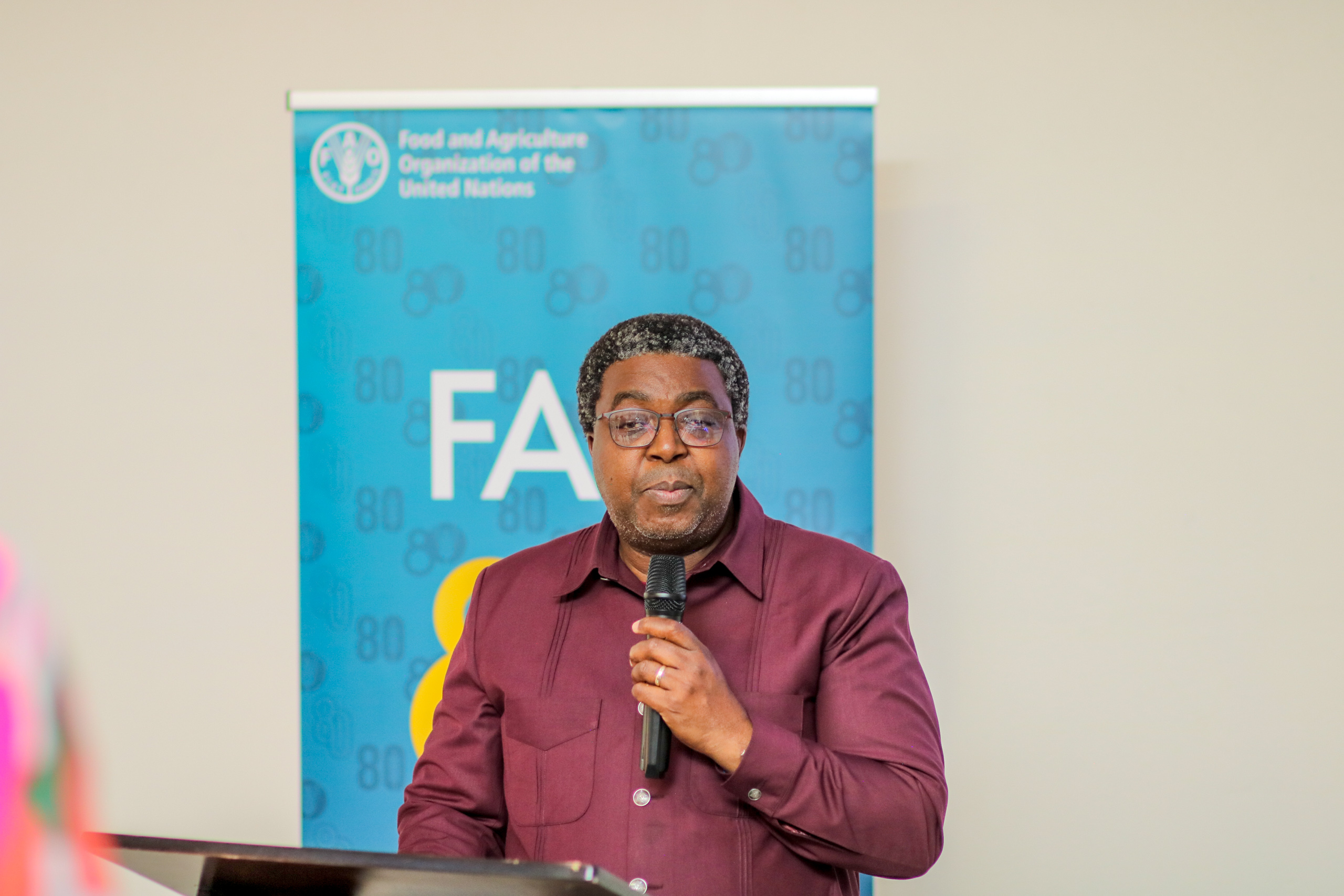
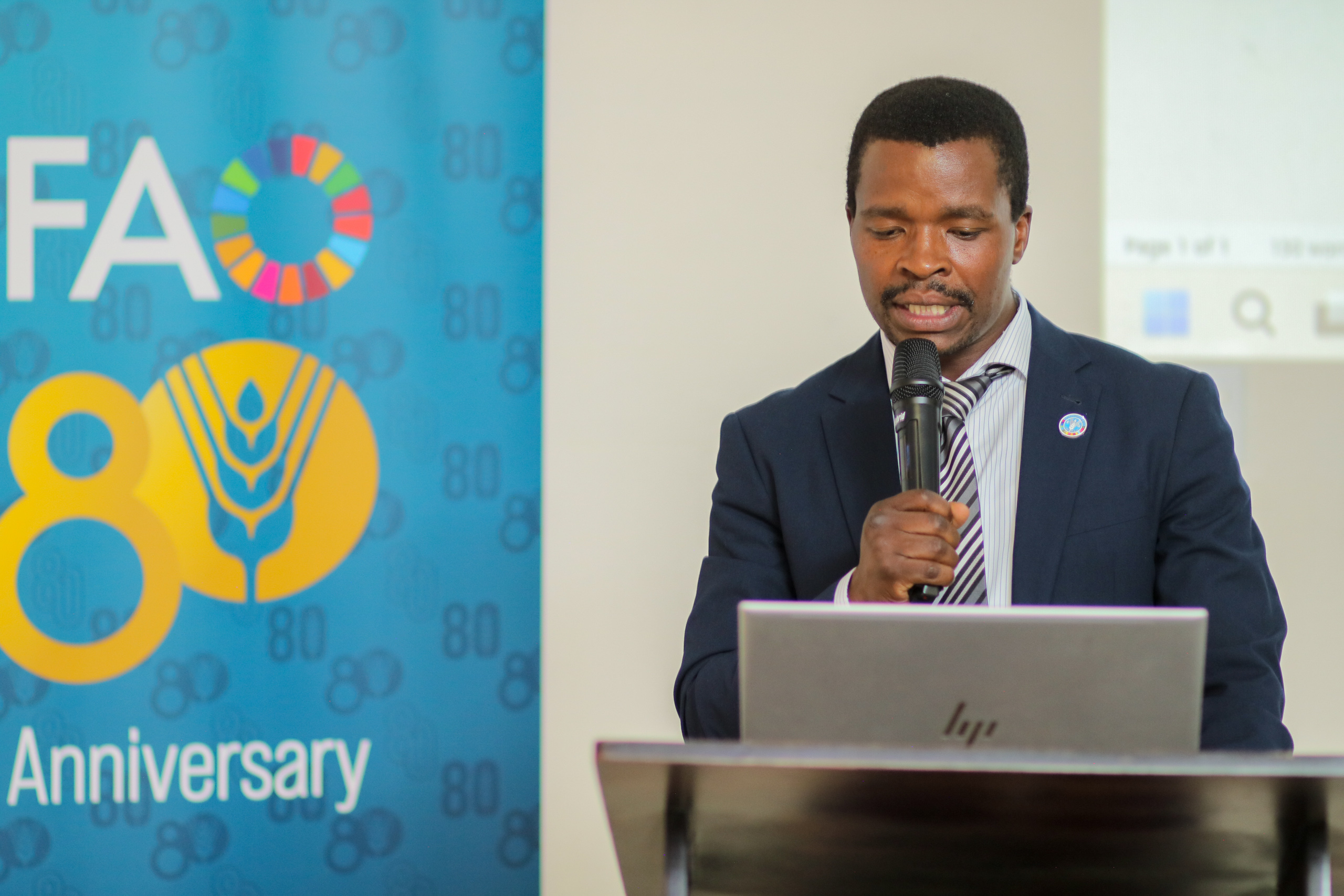
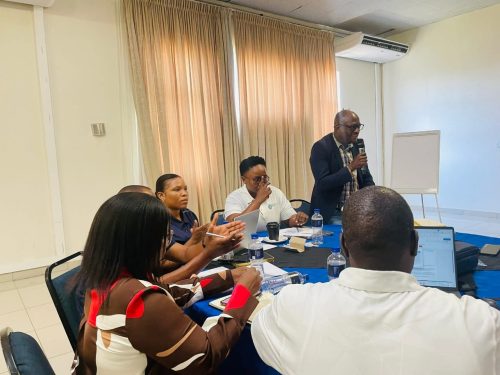
Opening the workshop, Ministry of Agriculture Principal Secretary Sydney Simelane emphasised that FAO’s support has consistently aligned with national priorities, but cautioned that the next phase must be more deliberate in addressing persistent gaps, particularly those affecting smallholder farmers and young people.
Simelane confirmed that a national consultant has been engaged to guide the CPF process, underscoring the need for evidence-based planning anchored in the country’s current agricultural realities.
Discussions reflected a shared recognition that Eswatini’s agricultural challenge is no longer production alone, but the absence of integrated value chains. Participants highlighted the need to strengthen market access, aggregation systems, climate-smart infrastructure and rural investment mechanisms to ensure that farmers can move from subsistence to commercially viable operations.
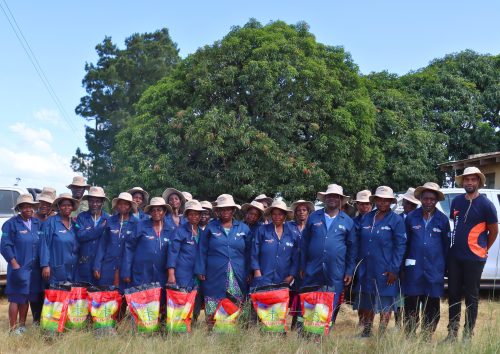
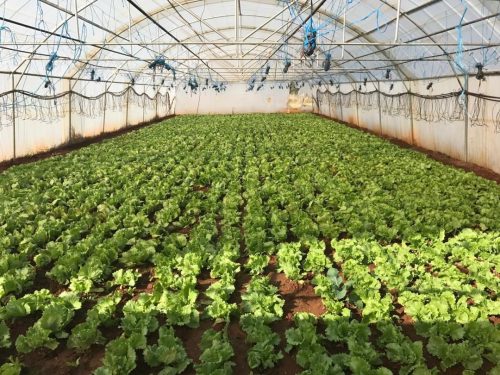
FAO indicated that the CPF 2026–2030 will prioritise targeted rural investments that directly lower barriers to entry for farmers, particularly youth. As part of this approach, FAO Eswatini is aiming to construct 36 shade nets for youth groups in 40 communities nationwide. Progress is already underway, with 11 shade nets built and seven currently operational, providing protected production systems that improve yields, reduce climate risk and stabilise incomes.
These investments, stakeholders noted, demonstrate how relatively modest infrastructure can have outsized impact, allowing young farmers to produce consistently, supply markets reliably and view agriculture as a business rather than a fallback option. In a country facing high youth unemployment, such interventions position agriculture as part of the employment solution rather than the problem.
The workshop also highlighted FAO’s push for green cities, an approach that links agriculture, urban planning and environmental sustainability. By promoting food production within urban and peri-urban spaces, the initiative seeks to improve food access, reduce environmental pressure and build climate-resilient cities, expanding agriculture’s role beyond rural boundaries.
Climate resilience featured prominently across sessions, with calls to embed climate information services, sustainable land and water management and environmentally sound technologies into national programming. Participants stressed that without climate-smart systems, productivity gains will remain fragile, particularly for smallholder farmers who are most exposed to climate shocks.
Guided by FAO’s Four Betters framework, Better Production, Better Nutrition, Better Environment and Better Life, the CPF 2026–2030 is expected to move beyond strategy to implementation, supported by a clear theory of change, measurable indicators and a resource mobilisation plan.
Ultimately, the Manzini consultations revealed a shift in tone: from planning agriculture in isolation to positioning it as an interconnected economic system. If translated into action, stakeholders agreed, the CPF could strengthen food security, unlock youth-led agribusiness, and build a more resilient agricultural sector capable of supporting Eswatini’s broader development goals.