

BY PHESHEYA KUNENE - EDITOR
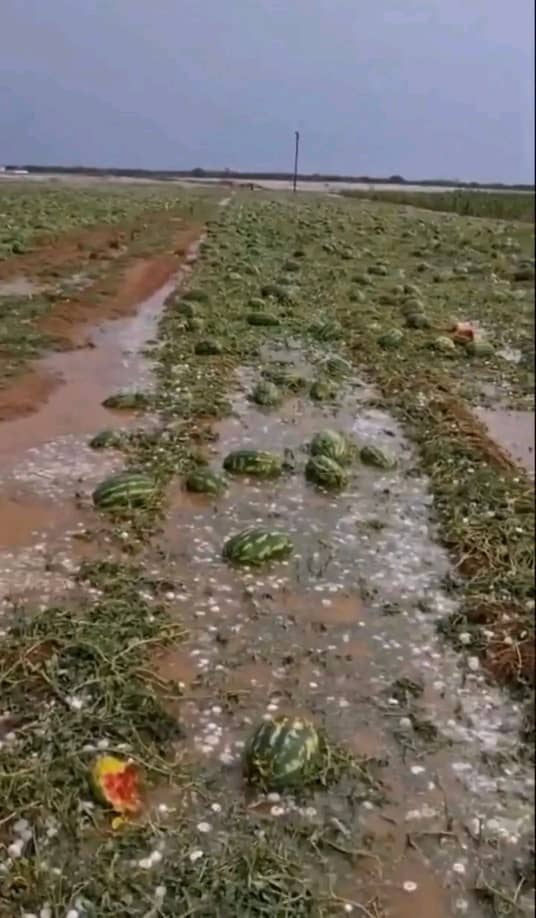
MANZINI - This week, violent hail and relentless rain tore through Eswatini’s fields. What was a season of optimism turned, in hours, into a ledger of loss. Produce worth months of labour lay bruised, shredded and unmarketable.
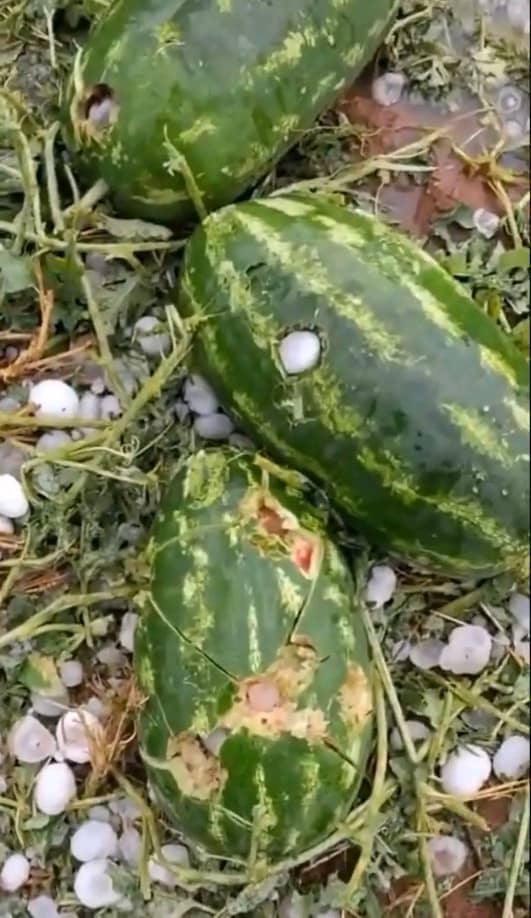
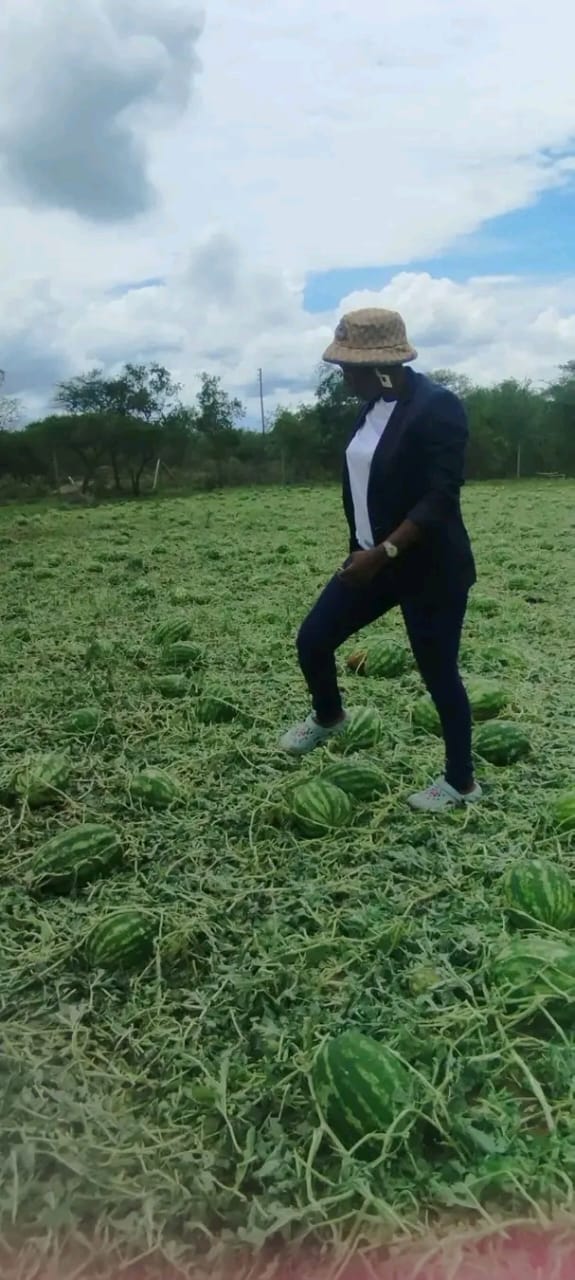
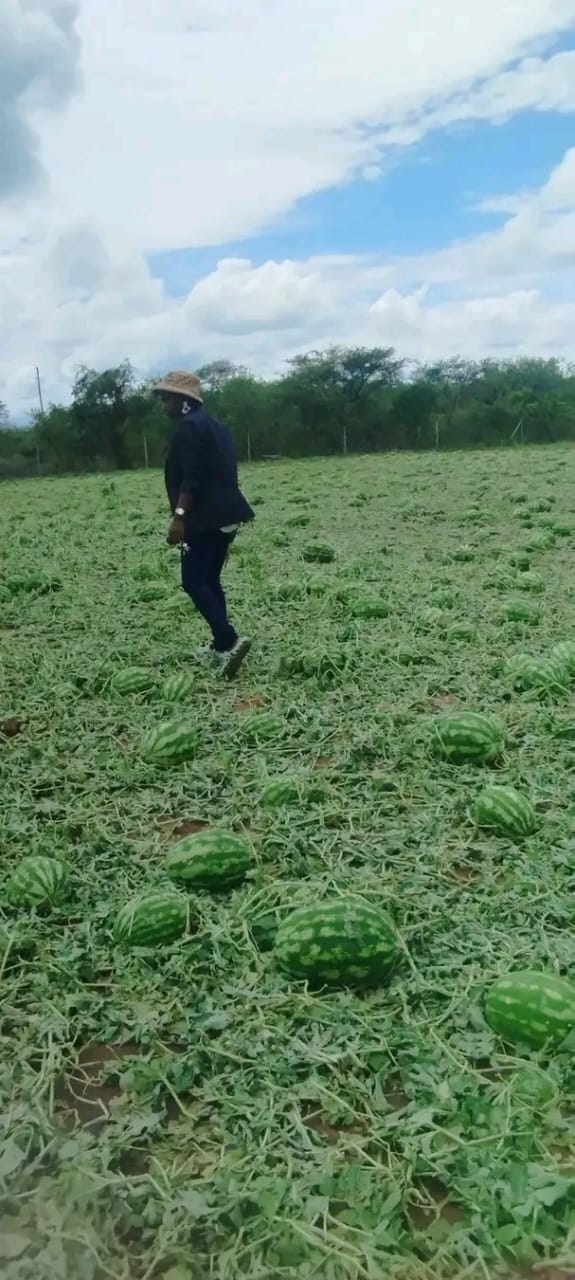
In Siphofaneni, Lubombo, Lolo Ndlangamandla watched watermelons she had nurtured for weeks collapse under the assault. She posted proud pictures online just days before, then posted again, this time of ruined vines.
“I lost a lot, but I am not ready to give up,” she said. Her resolve is familiar across the countryside. Farmers are angry, grieving and pragmatic, all at once.
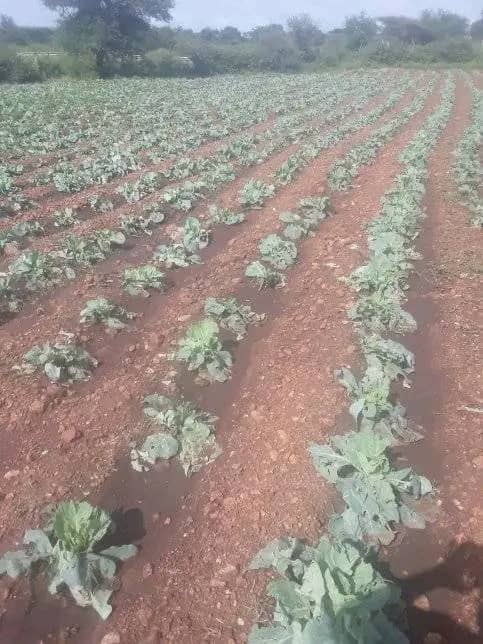
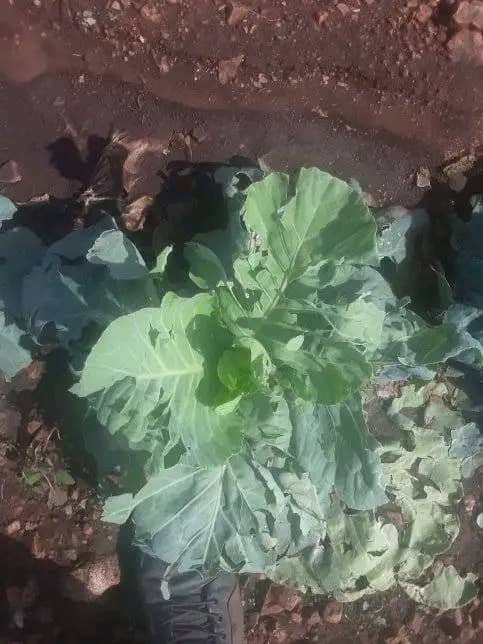
Extension officers from the Ministry of Agriculture confirm wide damage to maize, leafy vegetables, baby crops, and cucurbits in Lubombo, Manzini and parts of Hhohho. Hail wounds leaves and fruit, and those open injuries invite fungal disease. In many fields, what remains is a fragile chance of recovery, not a guaranteed harvest.
Commodity chains feel the shock as well. Markets in Manzini, Siteki and Mbabane will see smaller and less varied baskets in the coming weeks, a reality that will ripple through vendors and consumers.
The true cost is more than the field
This is not only about lost fruit. Many farmers operate on thin margins. Loans, input bills, and family needs do not pause for weather. A farmer from Pigg’s Peak, Glen Dlamini, spoke of the alarm he felt and the urgent decision to shift to climate smart practices. Others wrote on social media about loans they cannot repay if crops fail. That fear, and the financial pressure it creates, is as dangerous as the storm itself.
Businessman and nursery farmer Daladi Dlamini, of Plant Co, urged calm and action. He told affected growers to remain strong, to diversify, and to invest in protective measures where possible.
“This week broke many spirits, but it must not break our resolve. Farming is a long game. We fall, we replant, we rise,” he said.
The Ministry of Agriculture, through its extension network, is coordinating damage assessments and practical recovery advice. Principal Secretary Sydney Simelane offered comfort and a pledge of support, encouraging farmers to contact local extension officers for guidance and inputs.
A regional pattern, a regional answer
Eswatini’s hailstorm did not occur in a vacuum. Across southern Africa, extreme weather events are increasing in frequency and severity. Research from South Africa shows a clear rise in extreme weather incidents, reinforcing the urgency for adaptation, protected cultivation and smarter water management.
Mozambique’s adaptation plans, forged after repeated cyclones and floods, stress water harvesting, raised beds and resilient agronomic practices to protect crops and livelihoods. Those same principles apply here.
Botswana’s recent work on climate smart irrigation shows that irrigation, when well chosen and managed, improves incomes and reduces vulnerability for smallholders. The lesson is practical, not academic, irrigation must be affordable and appropriate to scale.
Locally, institutions matter. NAMBoard continues to offer market intelligence, extension support and outreach programmes to horticultural producers in Lubombo and beyond. The National Maize Corporation has expanded regional depots to improve market access for maize, a move that helps stabilise supply chains when shocks hit.
What farmers can do, today and for the long term
The good news is that a toolkit already exists. These are responses that save seasons and protect livelihoods, they are not luxuries.
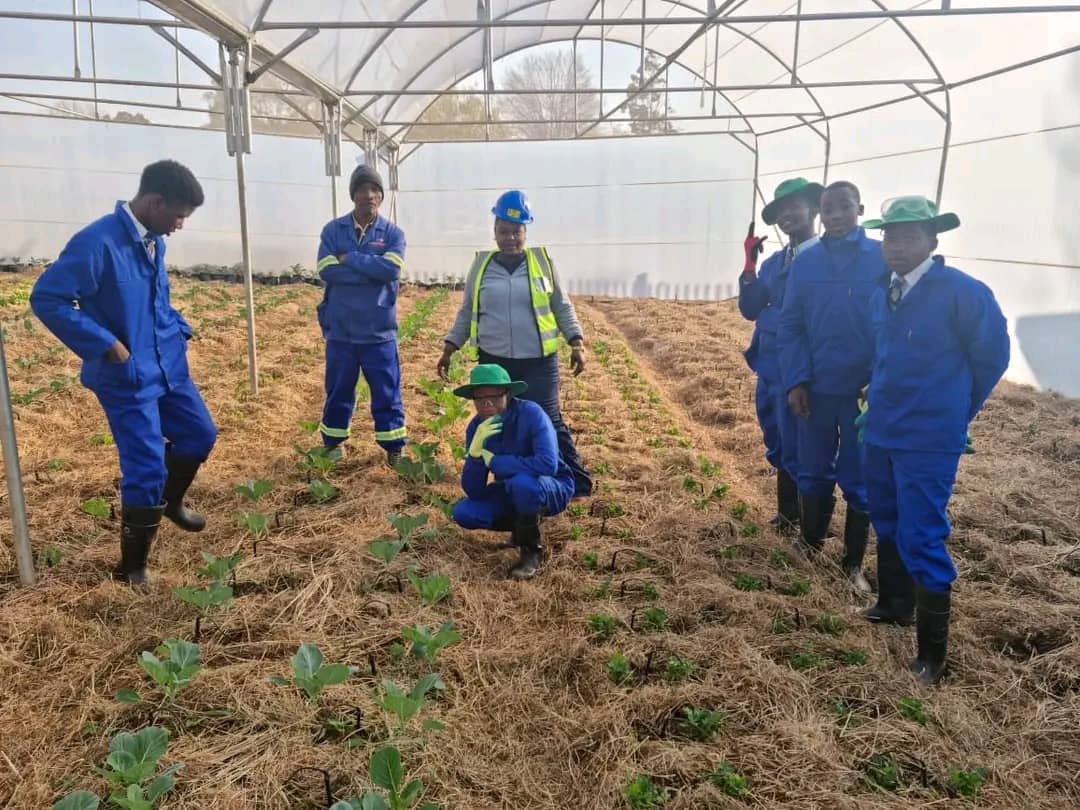
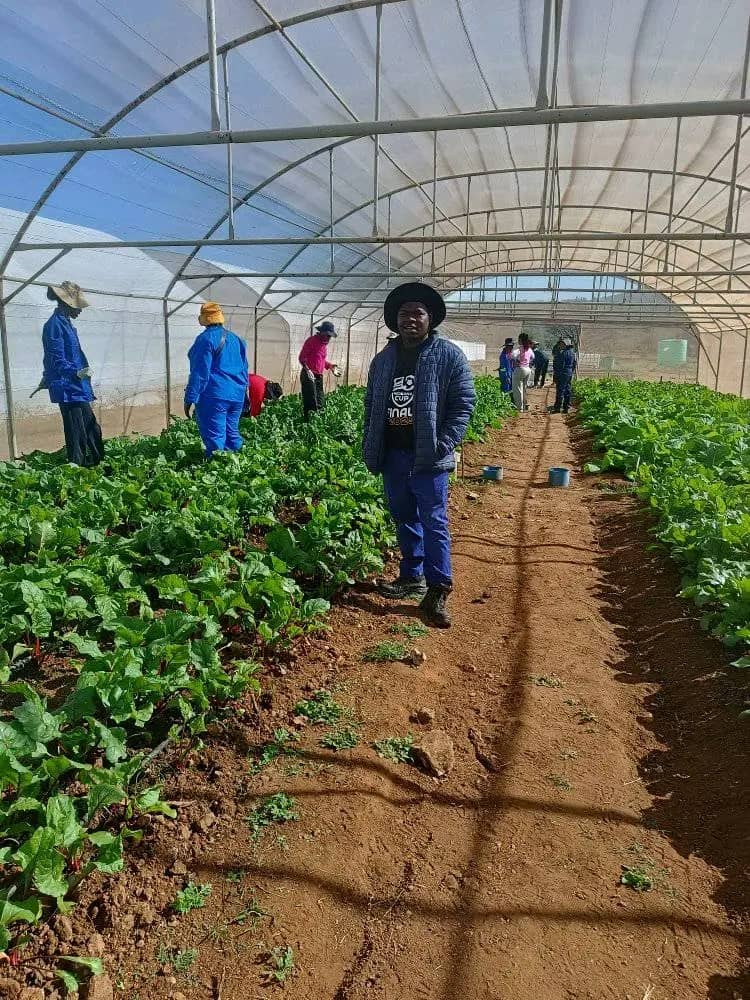
Protected cultivation, meaning tunnels, shade nets and low cost greenhouses, reduces hail impact and moderates heat and heavy rain. The FAO and partners have equipped youth groups with shade net structures, a model that shows clear market and resilience benefits. Investments in this infrastructure pay out, season after season.
Soil and water management matter. Mulching conserves moisture and reduces soil splash that spreads disease. Raised beds and improved drainage limit waterlogging after heavy rain. Simple water harvesting, even on small plots, gives farmers a buffer for dry spells and recovery windows after storms. Regional guidance from Mozambique and South Africa highlights these methods repeatedly.
Choose resilient seed varieties, and diversify plantings. Planting more than one crop, and including shorter season varieties, spreads risk across time and weather conditions. For vulnerable crops like cucurbits, pruning damaged tissue quickly and applying approved biological fungicides reduces disease pressure and gives surviving plants a better chance.
Consider irrigation that uses water efficiently. Drip systems, and small scale irrigation that pairs with water storage, outperform traditional overhead methods in a climate that throws extremes at producers. Botswana research shows measurable income gains when climate smart irrigation is properly introduced and supported.
Insurance, finance and institutional support
Access to agricultural insurance remains limited, yet it is vital. Gateway Insurance and the Regional Development Fund have been active in farmer education and financing discussions. The state and private sector must expand affordable risk pooling, index insurance and credit facilities that recognise the seasonal nature of farming.
NAMBoard’s market support and NMC’s regional depots are practical responses that reduce post shock market failure. These institutions can be strengthened to act rapidly after weather events, buying produce that would otherwise be lost to market disruption.
Training and farmer led research
Climate adaptation is not a lecture, it is a practice learned in the field. PELUM Eswatini’s engagement with regional projects, including ARC and academic partners, shows that farmer led research and participatory training scale well and are locally relevant. Programs that combine technical training with hands on field trials make adoption of new methods faster and more durable.
The Woman Farmer Foundation’s climate smart tunnel production training is a strong local example. Farmers who attend these courses do not only learn techniques, they build networks that can deliver inputs and markets when the weather fails them.
The moral of this moment
Climatic shocks will come again. They will be no less brutal. The choice before Eswatini’s farmers, institutions and financiers is clear. We either build layers of protection now, or we accept that the next storm will take yet more livelihoods.
For Lolo Ndlangamandla, the work is immediate. She will replant when she can. For many others, the task is systemic, it requires investment, better risk finance, scaled training and a firm, supportive market structure.
As Daladi Dlamini said, and as the country must remember, agriculture is a long game. Farmers fall, but resilience is how they rise. With training, infrastructure, accessible finance and the steady coordination of institutions, Eswatini’s farms can be stronger after this week, not simply poorer.