
BY PHESHEYA KUNENE - EDITOR
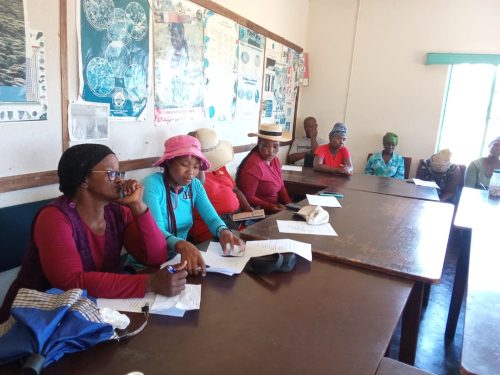
MANZINI - Eswatini intensified its push for safer farming practices as key stakeholders convened at The George Hotel in Manzini on Thursday for the Strategic Training Workshop on the Identification of Highly Hazardous Pesticides.
What unfolded was more than a technical seminar but it was a decisive gathering that revealed a unified national resolve to reform pesticide regulation, protect communities, and modernise the country’s agricultural systems.
From the onset, the Minister of Agriculture Mandla Tshawuka set a firm tone, outlining a clear vision anchored in accountability, scientific rigor, and community protection. His address framed the workshop as the first decisive step in building a safer, more sustainable agricultural future.
A BLUEPRINT FOR SAFER AGRICULTURE
The Minister’s strategy rested on five key pillars:
- National HHP List:
A formal, enforceable list of Highly Hazardous Pesticides to guide restrictions, withdrawals, and bans. - Tougher Regulation:
Alignment with SADC and global standards through strengthened oversight and compliance systems. - Community Protection:
Enhanced safeguards for farm workers, rural households, and vulnerable groups exposed to chemical risks. - Safer Alternatives:
Promotion of Integrated Pest Management, biological controls, and low-risk pesticides. - Farmer Support:
Expanded training to equip farmers with safe application techniques and knowledge-driven practices.
STRONG COLLABORATION, SHARED RESPONSIBILITY
The workshop brought together CEJAD, FAO, WHO, CPSP, and senior government officials, a coalition that blended global knowledge with local expertise. Their sessions were marked by lively debates, technical demonstrations, and collective determination to craft a practical national response.
A SHIFT IN THE AGRICULTURAL LANDSCAPE
The discussions signalled a turning point for Eswatini’s farming sector. By prioritising safety, innovation, and regulatory discipline, the country is laying the foundation for a future where agricultural growth does not compromise public health.
For emerging farmers, young agripreneurs, and investors, the message is clear:
The sector is evolving, and there is opportunity in building safer, smarter, and more sustainable agricultural enterprises.
The momentum generated in Manzini marks the beginning of a journey, and if sustained, it will redefine pesticide management and strengthen the country’s agricultural resilience for years to come.