
BY PHESHEYA KUNENE - EDITOR
MBABANE — On Monday morning, the city stirred with an unusual kind of energy, not the haste of week-opening business, but the collective heartbeat of a nation confronting one of its greatest silent adversaries: diabetes.
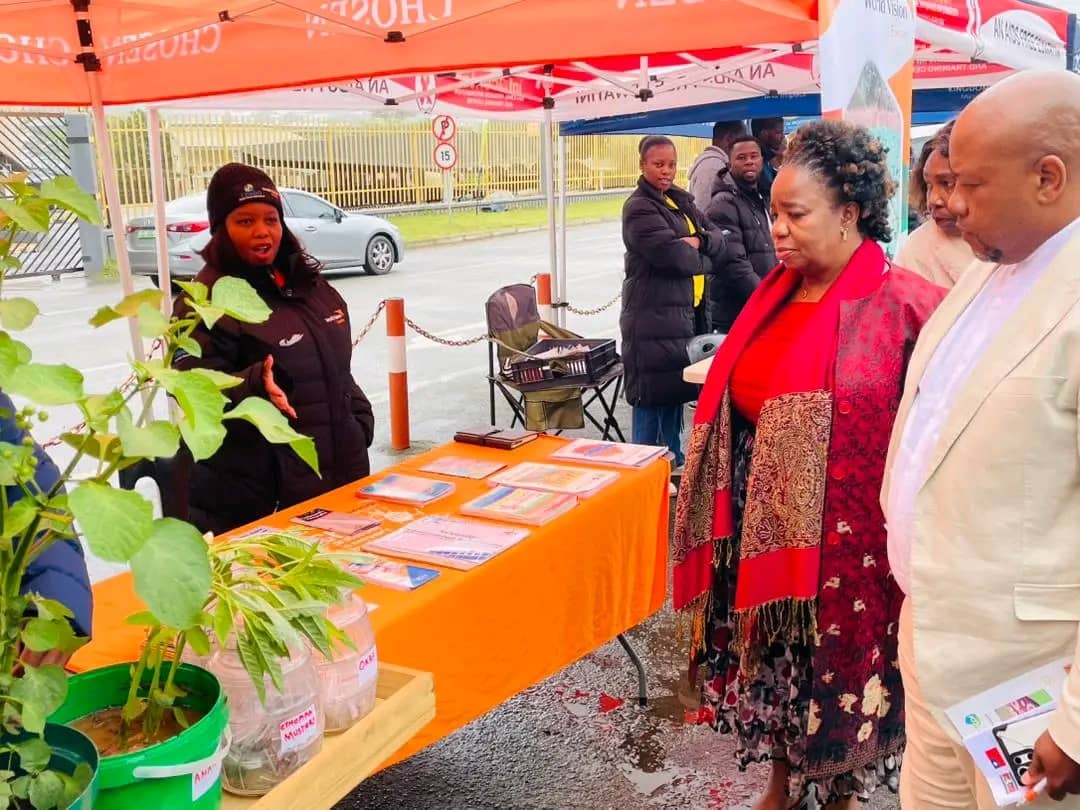
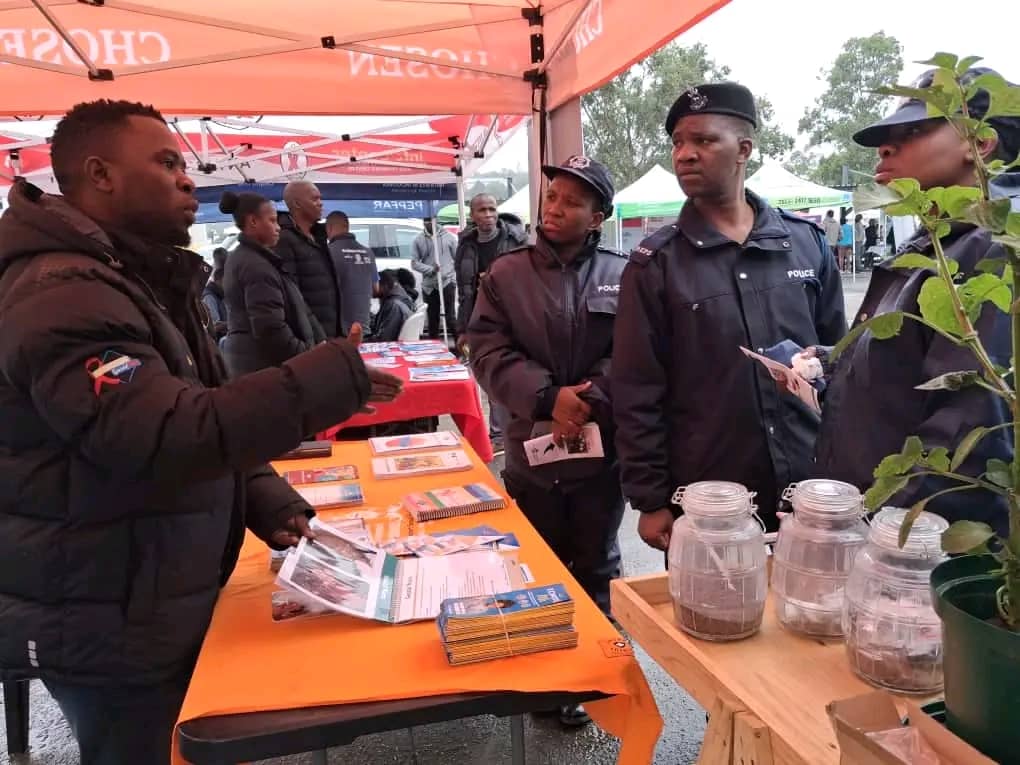
Beneath the cool shade of the Mbabane Municipal parking space, the country gathered to mark World Diabetes Day 2025, and in that gathering, something remarkable happened, agriculture and health met at the crossroads of hope.
World Vision Eswatini (WVE), standing shoulder-to-shoulder with the Ministry of Health, the Taiwan Embassy, the World Vegetable Center, and key national partners, used the commemoration as more than an awareness event. It became a statement of intent, a deliberate push toward a future where healthy eating is not a privilege but a cultural norm anchored in Eswatini’s own soil.
A MOVEMENT ROOTED IN THE LAND
“Eat right. Exercise more. Live healthy” — the theme echoed across the venue, but WVE added a deeper, more grounded translation: Grow right. Harvest better. Strengthen communities.
As one of the implementing partners of the Taiwan Africa Vegetable Initiative – Eswatini (TAVI), WVE showcased the true power of indigenous seeds, vegetables that have long thrived in African soils, naturally rich in nutrients, resilient to climate shocks and culturally familiar to communities. These crops aren’t just food; they are medicine, economy and heritage woven into one.
Their message was clear: the fight against diabetes cannot win without transforming the way Eswatini grows and eats its food. And that transformation begins on the farm.
WHERE AGRICULTURE MEETS PUBLIC HEALTH
The commemoration attracted national heavyweights, the Minister of Health, Honourable Mduduzi Matsebula, the Taiwanese Ambassador HE Jeremy H.S. Liang, and Lungile Kubheka, representing HRH Princess Tsandzile, the Hhohho Regional Administrator. They were not merely guests; they were witnesses to a powerful shift unfolding before them.
For years, conversations around non-communicable diseases have centered on hospitals, screenings and medication. But yesterday’s event told a different story, one in which the farm becomes the first clinic, the seed the first prescription, and the farmer the first line of defence.
WVE’s presentation demonstrated how climate-smart indigenous vegetables, once overshadowed by commercial crops, are now forming the backbone of community health in rural and peri-urban Eswatini.
With support from the Government of Taiwan, the initiative trains farmers, equips communities, and teaches households how to prepare vegetables in ways that preserve nutrients, reduce dependence on processed foods and strengthen immunity.
This is where the future of agriculture is quietly bending: towards nutrition, towards resilience, towards disease prevention.
A NATION FACING A GROWING THREAT
Diabetes, once a distant global statistic, now sits uncomfortably close to home. It affects the young and old, the employed and unemployed, the rural and urban, a stealthy condition fueled by sedentary lifestyles, sugar-dense diets and the slow abandonment of traditional eating habits.
Yesterday’s event served as a national reminder: farming is not only an economic activity; it is a public health intervention.
NERCHA, Georgetown University, and World Vision’s Halting the Spread of HIV Project were also present, reinforcing one truth, whether battling HIV, diabetes or any chronic illness, healthy eating remains a cornerstone of survival and wellness.
AGRICULTURE AS A PATHWAY TO HEALTHIER COMMUNITIES
The symbolism was powerful. In the heart of the capital, under the looming city skyline, the country was reminded that its path to defeating non-communicable diseases lies not only in pharmaceuticals, but in the revival of indigenous agriculture, in the vegetables that have sustained local communities for generations, and in the hands of farmers who continue to nurture the land.
Through TAVI and the ENOUGH Campaign to end child hunger and malnutrition, WVE and partners are building more than gardens, they are cultivating a national culture of healthy living, one seed at a time.
THE GREATER VISION: A HEALTHIER, SELF-RELIANT ESWATINI
World Diabetes Day 2025 was not just a commemoration, it was a call to action.
A call for farmers to grow smarter.
For communities to eat consciously.
For households to rediscover the foods that kept generations strong.
For policymakers to invest in agriculture that heals, nourishes and sustains.
If Eswatini is to defeat diabetes and other non-communicable diseases, it must begin where all life begins — the soil.
And yesterday, in the hum of conversation, in the exchange of seeds, in the shared commitment of partners, it became clear:
Eswatini is ready to plant a healthier future.