
BY PHESHEYA KUNENE - EDITOR
LOMAHASHA - He did not drift into farming; he marched toward it with the resolute clarity of a man who had finally seen his future.
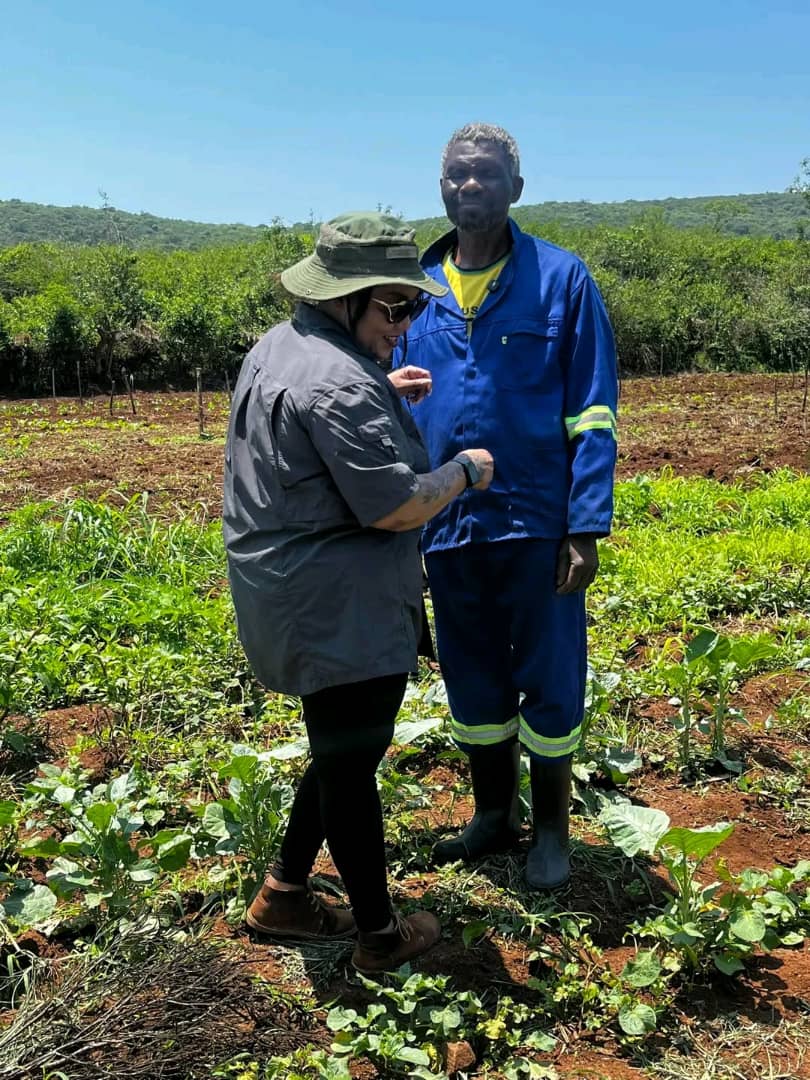
For James Maziya, from Nkalashane area (Lomahasha, Lubombo region), the turning point came not through crisis, but through revelation. Watching his wife tally the day’s earnings from her traditional vegetables, he felt a truth settle quietly but firmly: the soil was yielding more than his formal job ever promised. That day, the predictable comfort of a monthly salary shrank before the irresistible logic of the land.
With a courage many admire from afar but seldom practice, he resigned and joined his wife full-time in the fields. What followed was not luck but labour — rigorous, repetitive, honest labour that reshaped his family’s trajectory.
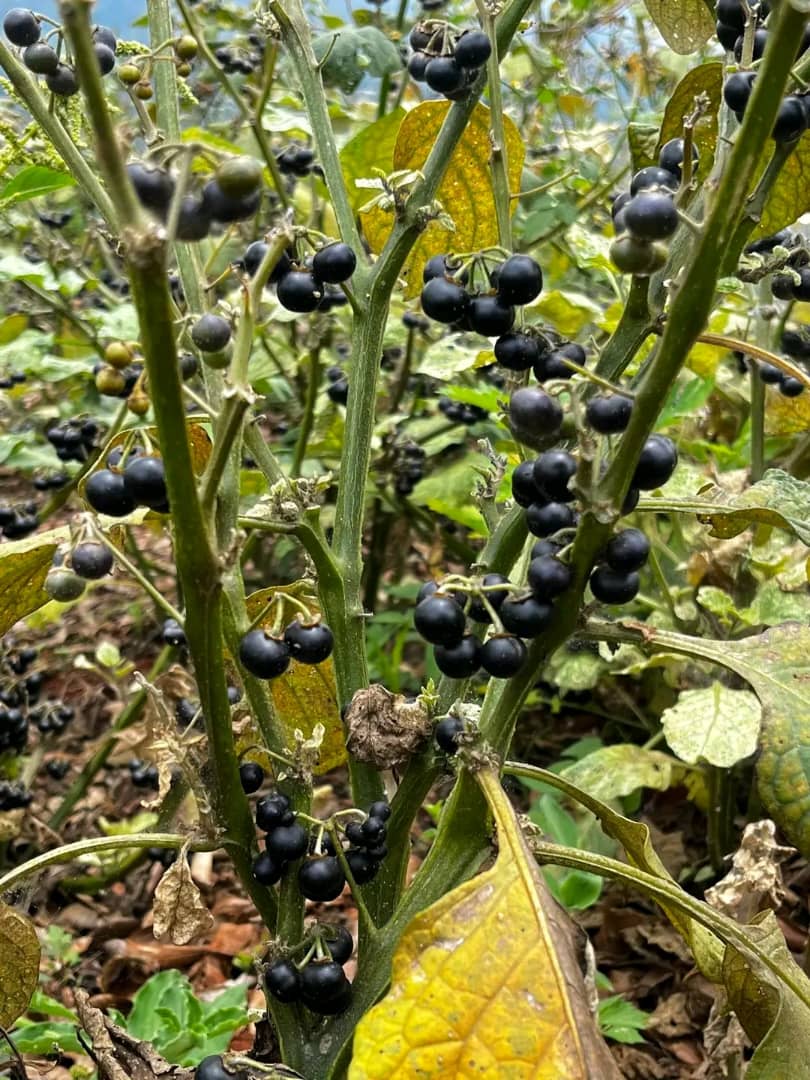
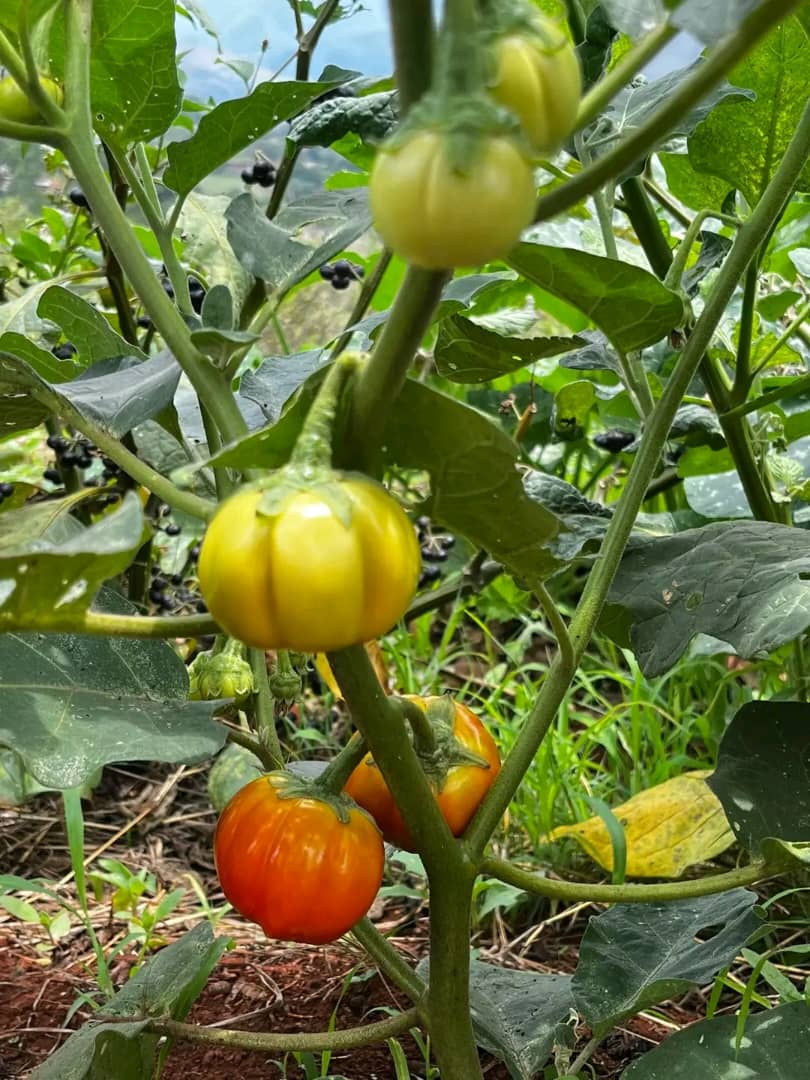
Today, Maziya stands as one of the country’s rising agricultural success stories, a farmer whose produce now feeds a local school, nearby markets, and even other farmers who purchase from him for resale in distant trading points. His fields, once an experiment, have matured into a sophisticated small agribusiness operation, stitched together by grit, family solidarity and a growing understanding of commercial value chains.
A Farm Built on Grit, Vision and Family Legacy
There is a particular light in his eyes when he speaks about his farm, a glow that seems to swell with each harvested crate. He recounts seasons of learning, seasons of risk, and seasons where the sun seemed to rise solely to illuminate more work. Yet he speaks of those moments with pride, not complaint.
His son, once a boy trailing his parents through the rows of vegetables, has now embraced farming with his own family. Their story is a generational arc — a testament to what consistent effort, agricultural mentorship and disciplined reinvestment can produce. Farming, in their household, is no longer a fallback plan. It is a legacy.
And that legacy, Maziya says, has power. After all, it was farming that paid his son’s school fees from primary school through college, a feat that their combined salaries would never have achieved. “The land taught us to trust ourselves,” he says, smiling, as though recalling a secret that changed everything.
Championing Change in Eswatini’s Agricultural Landscape
Maziya’s rise has not gone unnoticed. He is now a champion farmer under the Taiwan Africa Vegetable Initiative – Eswatini, a programme generously funded by the Taiwan Government through Taiwan in Eswatini in partnership with the Ministry of Agriculture and the World Vegetable Center.
The programme has equipped him with advanced vegetable production skills, improved seedlings, and modern farming techniques that have turbocharged his output. It has also connected him to an ecosystem of innovators, extension officers and fellow farmers who share insights on market trends, crop protection and improved irrigation methods.
What he sees for his farm, and for the country, is possibility. More local inputs. More domestic supply. More farmers producing for markets previously seen as out of reach. He speaks with the optimism of a man who believes Eswatini’s agricultural transformation won’t begin in government conference rooms, but in quiet homesteads where men and women dare to take the first step.
A Blueprint for Those Still Standing at the Edge
Maziya’s story is not wrapped in the fairy-tale glow of overnight success. It is blunt, raw and real — the story of dirt under fingernails, of early mornings and blistering afternoons, of crops lost and markets gained. But it is also the story of upward mobility, the kind that smallholder farmers across Eswatini can replicate with the right support systems.
His journey challenges a generation disillusioned by unemployment to rethink the economic potential lying in the nation’s soils. In an era when agriculture is fast becoming one of Africa’s most strategic industries, his example signals that the divide between poverty and prosperity may be just one seedling, one season, one decision away.
If more citizens embraced agriculture with his zeal, Eswatini’s fields would not only nourish the nation — they would transform its economy.
Here, in the quiet determination of Mr Maziya, lies a powerful message:
the future is still green, still growing, still within reach — for those bold enough to plant it.