BY PHESHEYA KUNENE - EDITOR
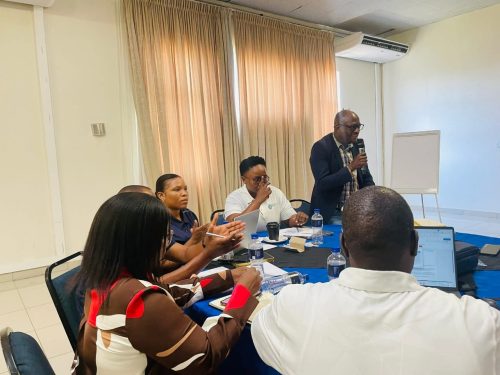
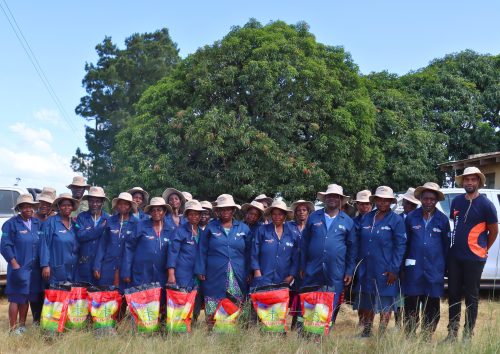
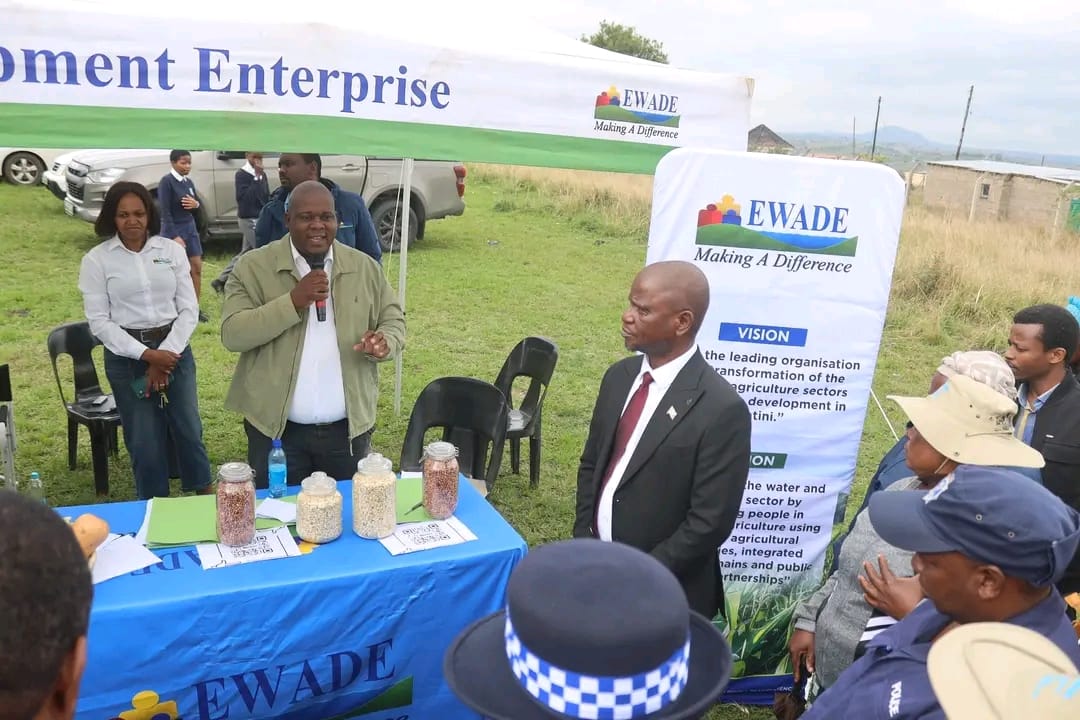
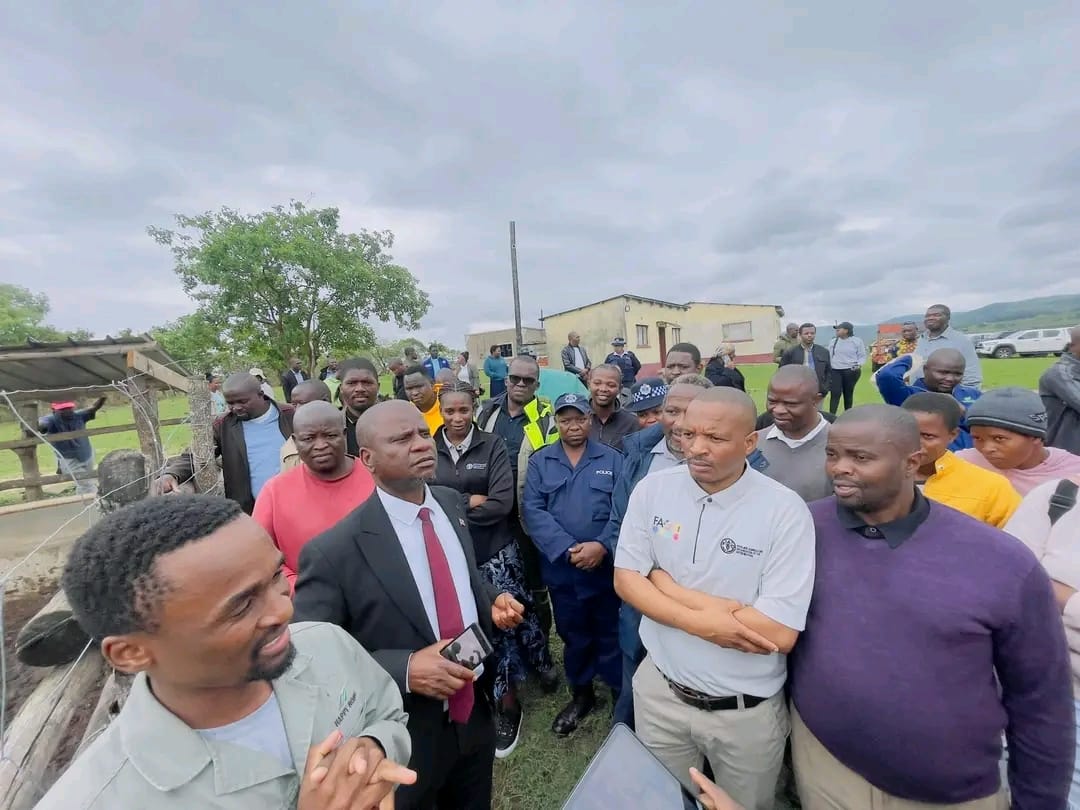
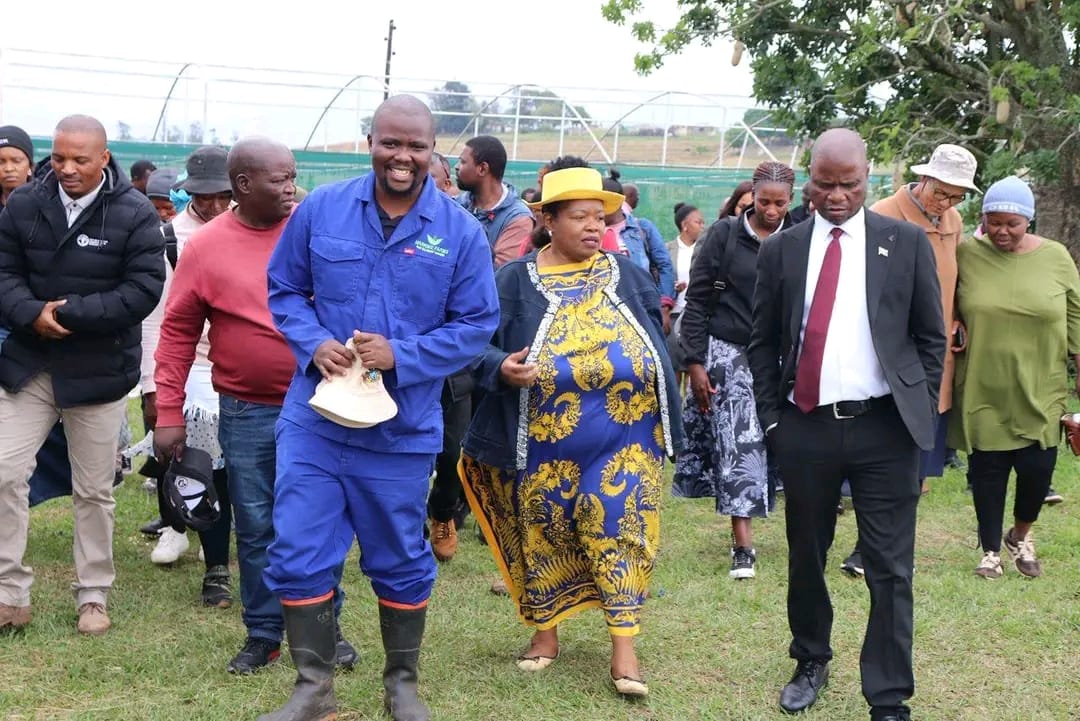
MKHIWENI / LUVE / MAFUTSENI – World Food Day 2025 in Eswatini was not a tent-and-speeches event. It was a field visit, a listening tour, and a public commitment — government, FAO Eswatini, EWADE, NAMBoard, World Vision Eswatini and farmers walking the same furrows, literally and politically, under the theme “Hand in Hand for Better Food and a Better Future.”
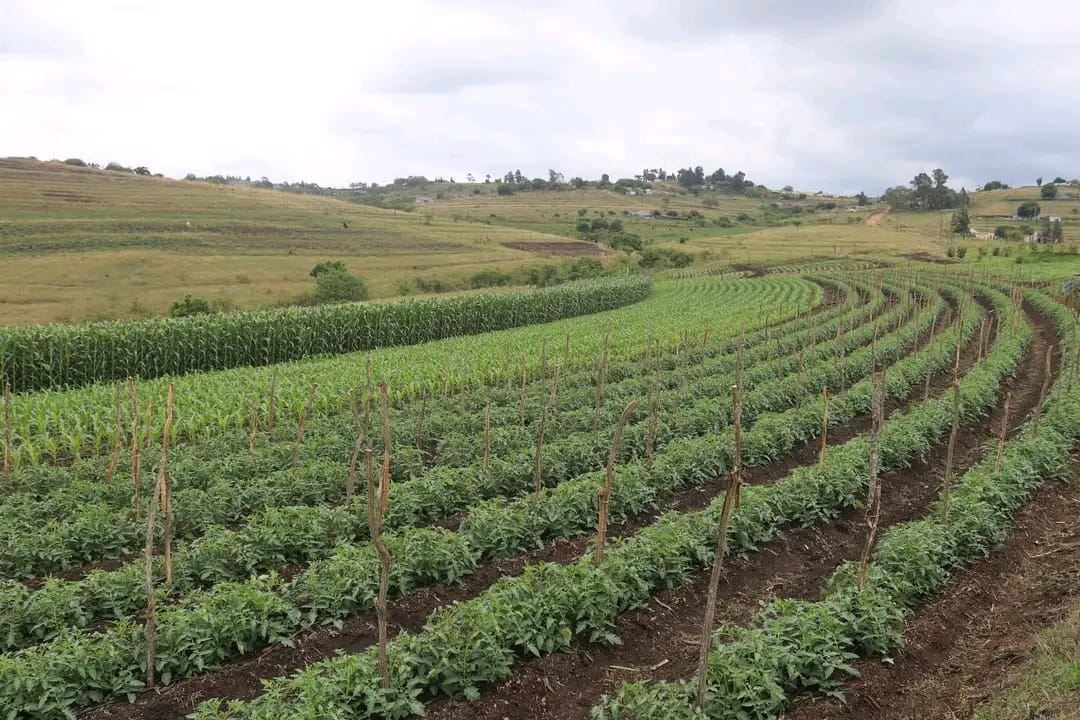
Leading the delegation, Minister of Agriculture Mandla Tshawuka said the day was about “bringing policy to the people and people to the centre of policy.” Walking through Mabutsini and Luve farmlands, he reminded farmers that government is deliberately aligning its investments to those who produce food.
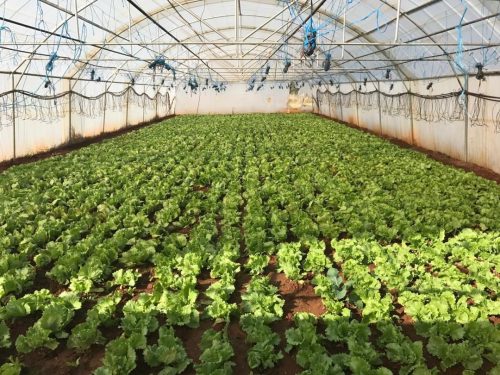
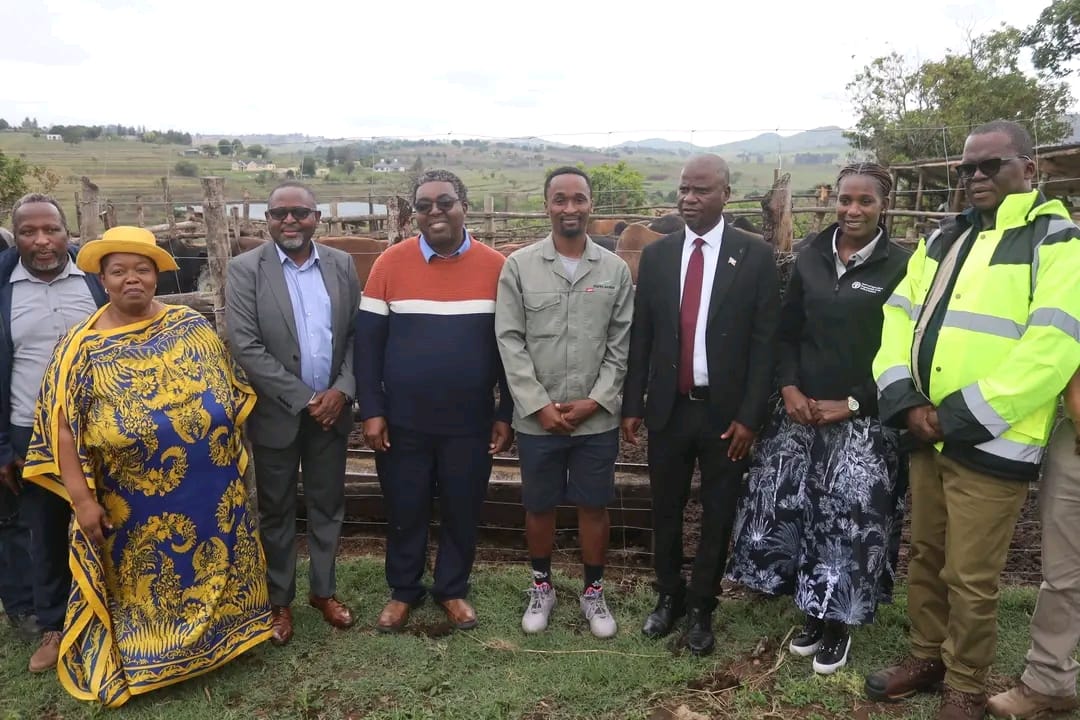
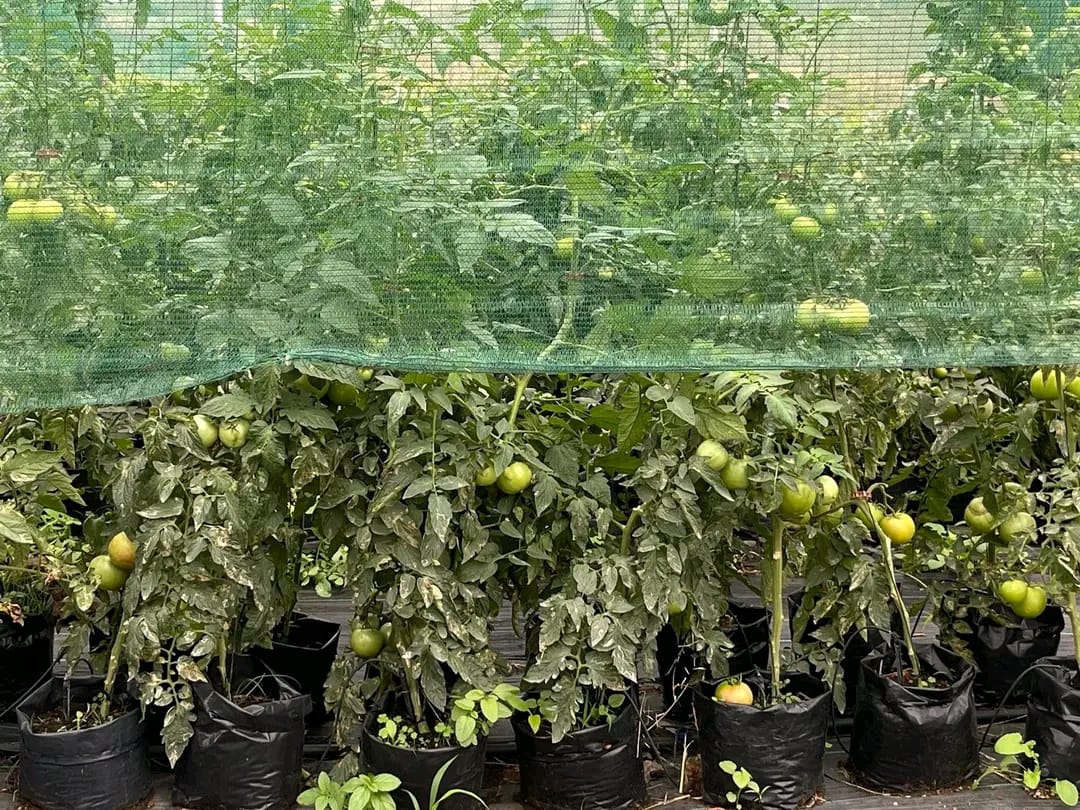
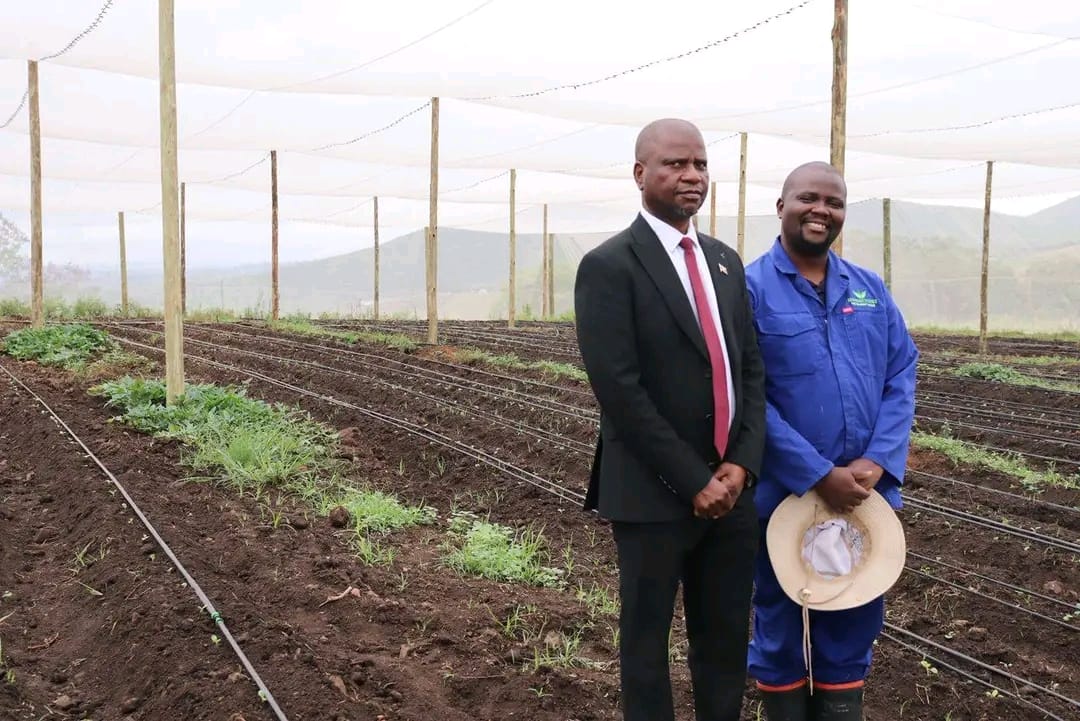
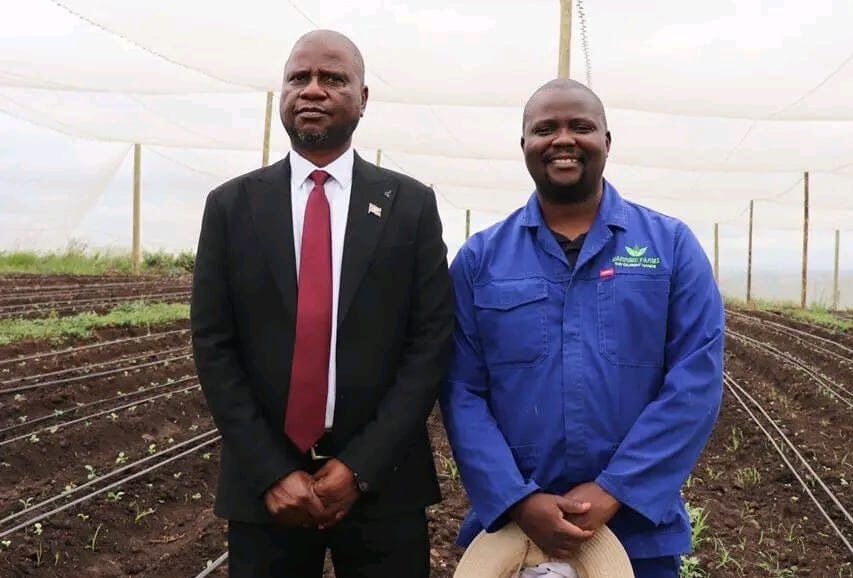
“Marrime Farms is a great example of climate-smart agriculture and value chain integration. We are inspired by young people producing at this scale, and we pledge continued support toward food sovereignty,” he said, after touring the Luve-based enterprise run by the Marrime brothers.
E61 million for food security and jobs
The Minister used the commemoration to announce that government has injected E61 million into key agriculture programmes aimed at improving production, creating rural jobs, and shoring up the country’s food systems. He broke it down as follows:
- E14 million for the Hamba Ubuye commercial farming programme
- E40 million for new commercial farming funding
- E7 million to top up maize and beans subsidies
“These investments will not only transform the agricultural sector but also uplift rural livelihoods and stimulate economic growth,” Minister Tshawuka said, adding that Eswatini’s philosophy of Buntfu is about “no Liswati farming — or eating — alone.”
He also linked the funding to the country’s climate-resilient infrastructure drive — from scoop dams and medium irrigation schemes to the flagship Mpakeni Dam, which will integrate irrigation, agro-industrial development, an energy component and an eco-city concept. “This is how we secure Eswatini’s food future,” he said.
FAO at 80: Partnership that feeds
This year’s commemoration carried an extra layer of meaning as FAO marked 80 years of global action. Delivering a message of solidarity, Tendai Munyokoveri, FAO Assistant Representative (Programmes), said FAO’s mission remains urgent.
“Today, while the world produces enough food to feed everyone, 8.2 percent of people still face chronic malnutrition. This shows that our work is far from over,” he said, applauding Eswatini for its steady collaboration since FAO first established presence in the Kingdom in 1971.
He highlighted three FAO pillars guiding cooperation with Eswatini — agricultural transformation, inclusive participation, and sustainable natural resource management — all anchored in the Country Programming Framework. Munyokoveri further welcomed the recent Host Country Agreement to establish a fully-fledged FAO office in Eswatini, calling it “a bold and historic step” that will deepen technical support to farmers.
“Governments, the private sector, and communities must stand together to build resilient agrifood systems. Let FAO’s Four Betters — Better Production, Better Nutrition, Better Environment, and a Better Life — be our compass,” he urged.
Marrime brothers: Farming as legacy
If policy is the headline, the Marrime brothers of Marrime Farms are the human story underneath it. Farming on Luve soils, they have built a youth-led agribusiness that controls more of the value chain — from seedling production to transport and supply.
“We started Marrime Farms with a simple dream — to make the land work for us and for our community,” said Sibusiso Marrime. “Every seed we plant is a statement of hope.”
His brother Thulani added: “Farming today demands creativity. We’ve learned to blend traditional knowledge with new technologies… the results speak for themselves.”
For government, this is exactly the model they want replicated — young, organised, climate-smart, market-aware. Tshawuka said such examples prove that food sovereignty is not a slogan but “what happens when youth, technology, and government support meet in the same field.”
From two bulls to a feedlot: Sonkhe’s story
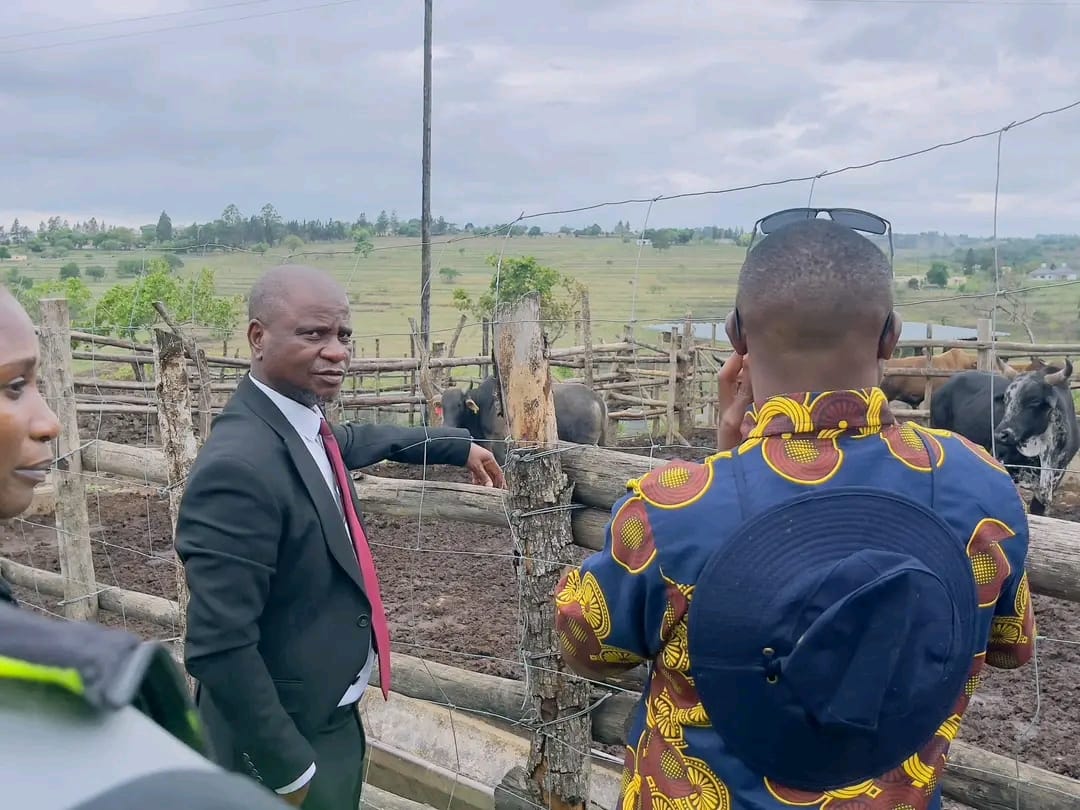
The day also spotlighted individual grit — especially that of Sonkhe Dlamini of Happy Horns Feedlot, whose journey from two bulls to a thriving feedlot captured the spirit of World Food Day.
“My father bought me a van and a trailer. That’s how it all started,” Sonkhe recalled.
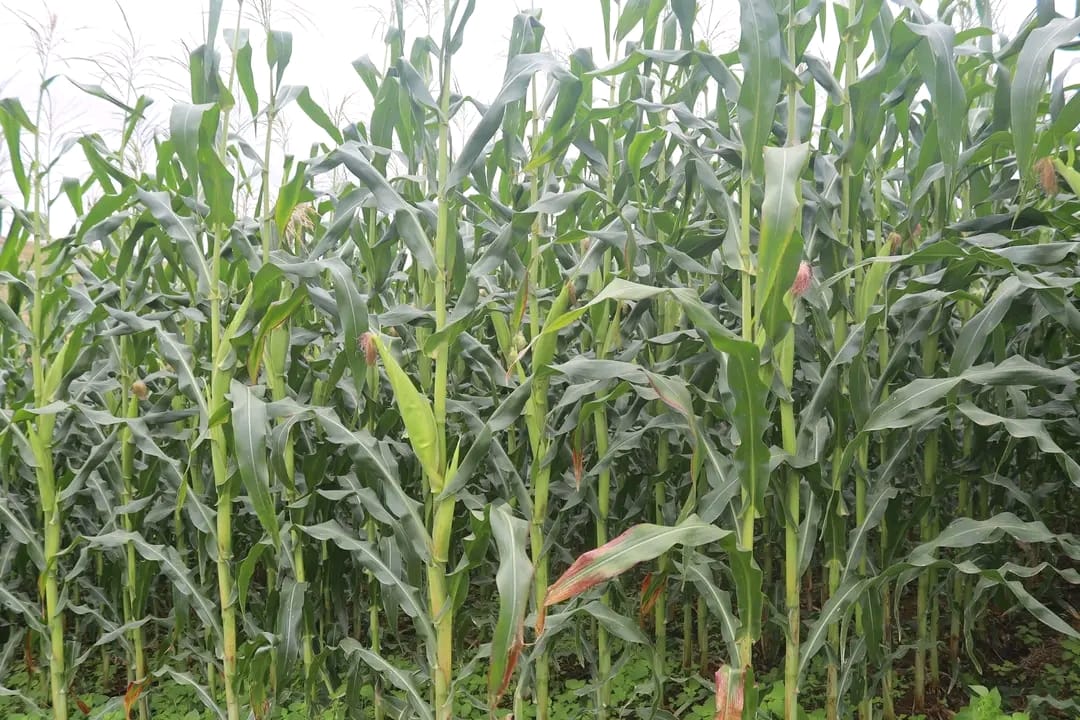
He spoke candidly about early mistakes — buying non-crossbred bulls that were harder to fatten, and the rising cost of feed. Instead of quitting, he planted 20 hectares of yellow maize and now grinds his own feed, cutting costs and improving cattle performance.
“It’s not an easy path. It takes a lot of hard work, focus, and determination. But if you stay committed, you can achieve anything,” he said — a message that resonated with young farmers present.
Sonkhe’s story echoed government’s Youth Employment Programme (implemented with the World Bank) and the climate-smart agriculture training run with the Woman Farmer Foundation, showing how personal initiative and national policy can reinforce each other.
Walking hand in hand
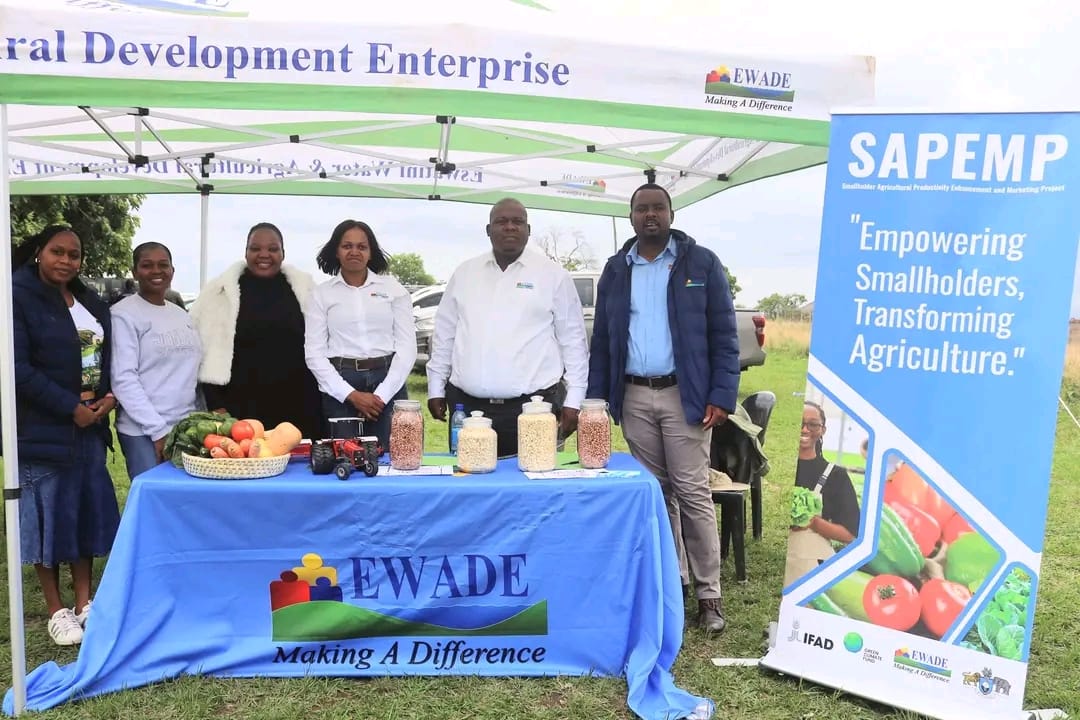
What tied Mafutseni, Luve and Mkhiweni together on this World Food Day was collaboration: chiefs opening their areas, farmers opening their farms, government opening its purse, and development partners opening new chapters of support.
FAO, EWADE, NAMBoard and civil society reaffirmed their commitment to inclusive growth, market access, and climate resilience. The Minister, in turn, reminded them:
“The story of food in Eswatini is the story of all of us. Government will continue to walk hand in hand with farmers and partners so that no Liswati is left behind.”
As the delegation left the fields, one message lingered in the furrows of Mkhiweni: the hands that feed Eswatini will no longer work alone.